

Have you ever wondered why your car doesn’t skid when you slam on the brakes? That’s all thanks to a clever system called the Anti-Lock Brake System, or ABS.
Understanding what ABS is and how it works can make you feel more confident and safer behind the wheel. You’ll discover exactly what an Anti-Lock Brake is, why it matters to your safety, and how it can protect you in tricky driving situations.
Keep reading, because knowing this could make a real difference the next time you need to stop suddenly.
How Anti Lock Brakes Work
Anti-lock brakes help drivers stay in control during hard stops. They stop wheels from locking and skidding. This makes braking safer on slippery roads. Understanding how they work shows why they matter.
Basic Mechanism
Anti-lock brakes use a system that controls brake pressure. When you press the brake pedal hard, the system prevents wheels from stopping suddenly. It adjusts the pressure to keep wheels turning. This helps the car keep grip on the road.
Sensors And Control Units
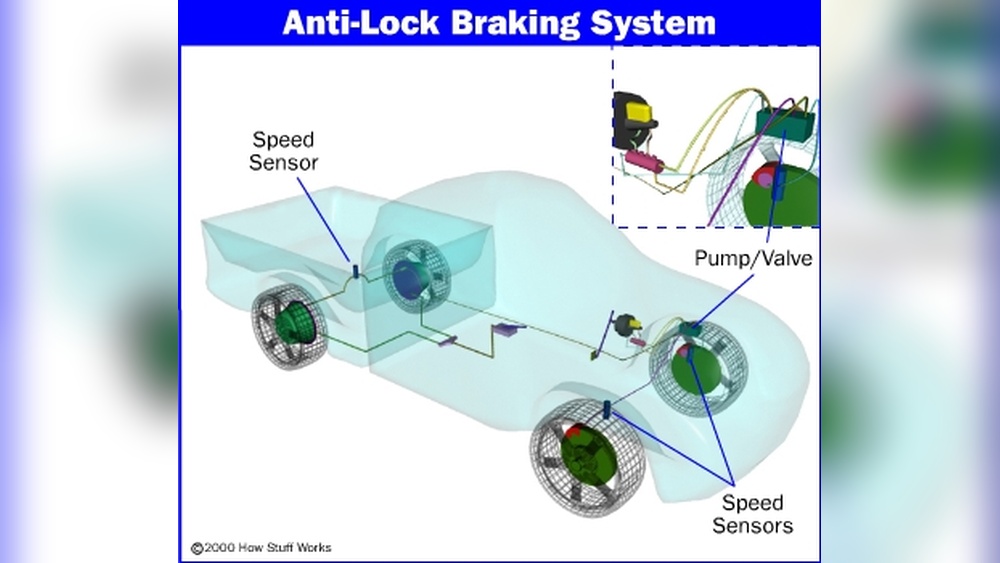
Each wheel has sensors that watch its speed. These sensors send data to a control unit. The control unit checks if any wheel is about to lock. It acts fast to stop the wheel from skidding. This happens many times every second.
Brake Modulation Process
The system reduces brake force if a wheel starts to lock. It then increases the force again once the wheel regains speed. This process repeats quickly to keep wheels rolling. This action helps maintain steering and prevents accidents.
Types Of Anti Lock Brake Systems
Anti-lock brake systems (ABS) come in different types. Each type controls the brakes in a unique way. These systems help prevent wheel lock during sudden stops. They improve car control and safety on the road.
The main types are four-channel, three-channel, and one-channel systems. Each type varies in complexity and control level. Understanding these helps you know how ABS works in different vehicles.
Four-channel Systems
This system controls each wheel independently. It has four sensors, one on each wheel. It adjusts brake pressure separately for all wheels. This offers the best control and safety. Most modern cars use this system.
Three-channel Systems
This system has four sensors but only three control valves. It controls each front wheel separately. Both rear wheels are controlled together by one valve. This system balances cost and performance. Common in some trucks and older cars.
One-channel Systems
This system has only one sensor and one control valve. It controls both rear wheels together. Front wheels are not controlled independently. It is simple and less expensive. Found mostly in older or small vehicles.
Benefits Of Anti Lock Brakes
Anti-lock brakes (ABS) improve driving safety and control. They help drivers stop the vehicle more safely in many conditions. Understanding the benefits shows why ABS is an important safety feature.
Improved Vehicle Control
ABS stops the wheels from locking during braking. This keeps the tires gripping the road better. Drivers can steer while braking hard. This control helps avoid obstacles and accidents.
Shorter Stopping Distances
ABS often reduces the distance needed to stop. It prevents skidding and maintains tire traction. This means the vehicle stops quicker on many surfaces. Shorter stopping distances can prevent crashes.
Enhanced Safety In Wet Conditions
Wet roads make stopping harder and more dangerous. ABS helps keep the wheels from slipping on wet surfaces. This improves braking performance in rain or wet conditions. Drivers feel safer and more confident.
Common Myths About Abs
Anti-lock Brake System (ABS) is often misunderstood. Many drivers have wrong ideas about how it works. These myths can cause confusion and unsafe driving habits. Knowing the truth about ABS helps you use it better. Here are some common myths about ABS and the facts that clear them up.
Abs Increases Stopping Distance
Some people think ABS makes cars stop slower. This is not true for most cases. ABS helps keep control of the car during hard braking. It prevents wheels from locking, which keeps the tires gripping the road. On dry and solid roads, ABS usually reduces stopping distance. On very loose surfaces like gravel, ABS may slightly increase stopping distance. Still, it improves steering control and safety overall.
Abs Allows Faster Speeds In Corners
ABS does not let you drive faster in corners safely. It helps prevent skidding if you brake while turning. You must still slow down to a safe speed before the corner. ABS helps maintain control but does not improve cornering speed. Driving carefully and at the right speed is always important.
Abs Works The Same On All Surfaces
ABS reacts differently depending on the road surface. On wet or icy roads, it helps by preventing wheel lock. On gravel or loose dirt, ABS may feel different. It can cause the brakes to pulse or feel less firm. This is normal and helps avoid skidding. Knowing how ABS works on different roads helps you stay safe.
Maintenance Tips For Abs
Proper care of your Anti Lock Brake System (ABS) keeps your vehicle safe. Regular maintenance helps the ABS work correctly during emergencies. Simple checks and timely actions can prevent costly repairs and ensure smooth braking.
Regular Brake Inspections
Check your brakes often to spot problems early. Look for worn pads, damaged rotors, or leaks. Inspect the wheel sensors linked to the ABS. Clean and replace parts if needed to keep the system reliable.
Warning Light Indicators
ABS warning lights on your dashboard show system issues. Never ignore these lights. They signal faults that need quick attention. Use a scanner or visit a mechanic to diagnose the problem. Early fixes avoid brake failure.
Fluid Checks And Replacement
Brake fluid is vital for ABS function. Check fluid levels regularly and top up if low. Replace old or dirty fluid every two years or as advised. Clean fluid prevents corrosion and keeps the ABS effective.

Credit: www.motor-works.com
Abs Vs Traditional Braking Systems
Anti-lock Braking Systems (ABS) and traditional braking systems differ in many ways. These differences affect how vehicles perform, how safe they are, and how much they cost. Understanding these contrasts helps drivers make better choices for their safety and budget.
Performance Differences
Traditional brakes lock the wheels during hard stops. This causes tires to skid and lose control. ABS prevents wheel lock by pulsing the brakes. It keeps the tires gripping the road surface. This leads to shorter stopping distances on slippery roads. ABS also improves steering control during emergency braking. Traditional brakes do not offer this level of control.
Safety Impacts
ABS reduces the risk of accidents on wet or icy roads. It helps drivers maintain control and avoid obstacles. Traditional brakes increase the chance of skidding and losing control. This can cause collisions or rollovers. ABS assists drivers in panic braking situations. It allows them to steer and brake safely at the same time.
Cost And Complexity
Traditional braking systems are simpler and cheaper to make. They require less maintenance and fewer parts. ABS is more complex due to sensors and electronic controls. This raises the vehicle’s initial cost. Repairs for ABS can be more expensive than traditional brakes. Despite the cost, many consider ABS worth the investment for added safety.
Future Of Anti Lock Braking Technology
The future of anti-lock braking technology promises safer and smarter vehicles. This system will evolve beyond just preventing wheel lock. It will work closely with new car technologies to improve overall road safety. The next steps focus on better sensors, smarter controls, and full integration with self-driving cars.
Integration With Autonomous Vehicles
Anti-lock braking will play a key role in autonomous cars. These vehicles rely on precise braking to avoid accidents. The system will communicate with the car’s computer. This helps adjust brake pressure quickly and safely. It will ensure smooth stops even in complex traffic situations.
Advances In Sensor Technology
Sensors will become more sensitive and accurate. They will detect road conditions, speed, and obstacles faster. This data helps the braking system react instantly. New sensors will also work in bad weather or poor visibility. This improves safety for all types of drivers.
Smart Braking Systems
Braking systems will use artificial intelligence to learn from driving habits. They will predict when a sudden stop might be needed. This allows the system to prepare brakes early and reduce stopping distance. Smart brakes will adapt to different road surfaces for better grip and control.
Credit: www.allegromicro.com
Credit: auto.howstuffworks.com
Frequently Asked Questions
What Is An Anti Lock Brake System (abs)?
An Anti Lock Brake System (ABS) prevents wheel lock during sudden braking. It helps maintain steering control and reduces skidding risks on slippery roads.
How Does Abs Improve Vehicle Safety?
ABS improves safety by allowing drivers to steer while braking hard. It prevents tire lock-up and enhances vehicle stability, reducing accident chances.
Which Vehicles Commonly Use Anti Lock Brakes?
Most modern cars, motorcycles, and trucks use ABS. It is standard in many passenger vehicles to improve braking performance and safety.
What Are The Main Components Of Abs?
ABS consists of wheel speed sensors, a hydraulic pump, valves, and an electronic control unit. These work together to control brake pressure.
Conclusion
Anti-lock brakes help keep your car safe during sudden stops. They stop the wheels from locking and sliding. This gives you better control on wet or slippery roads. Knowing how ABS works can make driving safer. Always maintain your brakes for best performance.
Drive carefully and stay alert on the road. Safety comes first with anti-lock brake systems.
