

If you’re new to car maintenance, you might be wondering, “How long does synthetic oil really last?” Knowing this can save you time, money, and keep your engine running smoothly. You don’t want to risk damaging your vehicle by waiting too long to change the oil—or wasting money by changing it too soon.
You’ll discover exactly how synthetic oil works, how long it typically lasts, and the best way to know when it’s time for a change. Keep reading to protect your car and get the most out of your oil!

Credit: www.walmart.com
Synthetic Oil Basics
Synthetic oil is a popular choice for car owners. It helps keep engines clean and running smoothly. Understanding its basics is important for beginners. This section explains what synthetic oil is, its types, and why it is better than regular oil.
What Is Synthetic Oil
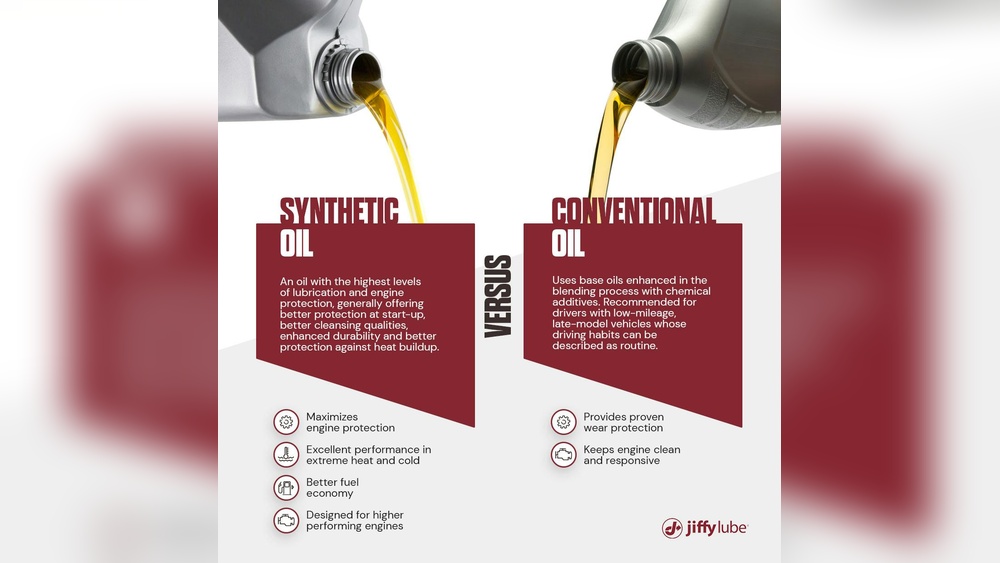
Synthetic oil is a man-made lubricant. It is made from chemical compounds. These compounds are designed to protect engines better. Synthetic oil flows well in cold and hot temperatures. It resists breakdown more than regular oil. This means the engine stays protected longer.
Types Of Synthetic Oil
There are several types of synthetic oil. Full synthetic oil offers the highest protection. It is pure and made with advanced technology. Synthetic blend oil mixes synthetic and conventional oils. It provides good protection at a lower cost. High-mileage synthetic oil is made for older cars. It helps reduce leaks and oil consumption.
Benefits Over Conventional Oil
Synthetic oil lasts longer than conventional oil. It protects the engine from wear and tear. It keeps the engine cleaner by reducing sludge build-up. Synthetic oil performs well in extreme temperatures. It improves fuel efficiency by reducing engine friction. Overall, it helps extend the life of your engine.
Oil Longevity Factors
Oil longevity depends on many important factors. These factors affect how long synthetic oil lasts in your engine. Knowing them helps you keep your car running well.
Each factor plays a role in oil performance and durability. Let’s explore the main ones to understand oil lifespan better.
Driving Conditions
Driving in stop-and-go traffic wears oil faster. High speeds and heavy loads also reduce oil life. Short trips do not warm the engine enough, which can cause oil to break down quicker.
Engine Type
Different engines use oil in different ways. Turbocharged engines run hotter and can shorten oil life. Older engines may produce more contaminants, affecting oil quality.
Oil Quality
Not all synthetic oils are the same. High-quality oils last longer and protect better. Always choose oil that meets your car maker’s standards for best results.
Maintenance Habits
Regular oil changes extend oil life and engine health. Checking oil levels often prevents damage. Using the right oil filter also keeps oil clean longer.
Typical Synthetic Oil Lifespan
Synthetic oil lasts longer than regular oil. It protects engines better and keeps them clean. Knowing how long synthetic oil lasts helps you plan oil changes well. This section covers typical lifespan details.
Mileage Guidelines
Synthetic oil usually lasts between 5,000 and 10,000 miles. Some brands promise even 15,000 miles. The exact mileage depends on driving style and conditions. Stop-and-go traffic or extreme weather can shorten oil life. Highway driving often lets oil last longer.
Time Intervals
Besides mileage, time matters for oil changes. Synthetic oil can last 6 to 12 months. Even if you drive less, change oil yearly. Oil breaks down over time and loses protection. Regular oil checks help decide the best interval.
Manufacturer Recommendations
Car makers give advice on oil changes. Always check your vehicle’s manual. Some recommend synthetic oil changes at specific mileage or time. Following these guidelines keeps your warranty valid. It also ensures your engine stays healthy.
Credit: www.jiffylube.com
Signs To Change Synthetic Oil
Knowing when to change synthetic oil helps protect your engine. Oil breaks down over time and loses its power to lubricate. Watching for signs makes sure your engine runs smoothly. Here are key signs to check for synthetic oil changes.
Oil Color And Texture
Fresh synthetic oil is clear and amber in color. Over time, oil darkens and becomes thick or gritty. Dark, dirty oil can’t clean your engine well. Check the dipstick for color changes regularly. Thick or sludgy oil means it is time to change it.
Engine Performance
Your engine should run quietly and smoothly. Rough idling or knocking sounds may signal old oil. Reduced fuel efficiency also points to worn-out oil. Notice any unusual engine noise or power loss. These signs show synthetic oil needs replacement.
Dashboard Indicators
The oil change light on your dashboard is a clear sign. Some cars show a low oil pressure warning. These alerts mean oil quality or level is low. Don’t ignore dashboard warnings. They protect your engine from damage.
Synthetic Oil Change Tips
Synthetic oil offers many benefits for your car’s engine. It lasts longer and protects better than regular oil. To keep your engine running smoothly, you need to change synthetic oil properly. Following the right tips helps you save money and avoid damage. Here are some simple synthetic oil change tips for beginners.
Choosing The Right Oil
Select synthetic oil that matches your car’s needs. Check your owner’s manual for the correct oil weight. Use oil with the right certification for your vehicle. High-quality synthetic oils improve engine performance and last longer. Avoid mixing different types of oil in your engine.
Diy Vs Professional Change
Changing oil yourself saves money and gives you control. Gather all tools before starting: oil filter wrench, drain pan, and funnel. Be careful not to spill oil during the process. Professional oil changes are fast and easy. They use proper tools and dispose of old oil safely. Choose what fits your skill and time.
Proper Disposal
Never pour old oil down drains or on the ground. Used oil pollutes water and harms the environment. Collect oil in a sealed container after draining. Take it to recycling centers or auto shops that accept used oil. Proper disposal keeps nature clean and follows the law.
Credit: blog.amsoil.com
Common Myths About Synthetic Oil
Synthetic oil has many myths around it. Some of these myths confuse beginners about its use and benefits. Knowing the truth helps you make better choices for your car. Let’s clear up some common misunderstandings.
Overstated Lifespan
Many believe synthetic oil lasts forever. It does last longer than regular oil. But it still needs changing. Most synthetic oils work well for 7,500 to 10,000 miles. Waiting too long can harm your engine. Follow your car maker’s advice on oil change.
Compatibility Issues
Some say synthetic oil does not work with older engines. This is false. Synthetic oil suits almost all engines. It helps clean engine parts and protect better. Always check your car manual. Make sure synthetic oil matches your car’s needs.
Cost Effectiveness
Synthetic oil costs more than regular oil. Some think it is not worth the price. It protects your engine longer and better. This can save money on repairs. You change synthetic oil less often. It may save money in the long run.
Frequently Asked Questions
How Long Does Synthetic Oil Last In A Car Engine?
Synthetic oil typically lasts between 7,500 to 15,000 miles. It depends on driving habits and vehicle type. Regular oil changes ensure optimal engine performance and longevity.
When Should Beginners Change Synthetic Oil For The First Time?
Beginners should change synthetic oil after 7,500 miles or six months. Always follow the car manufacturer’s recommendations for best results.
Can Synthetic Oil Extend Engine Life For Beginners?
Yes, synthetic oil reduces engine wear and improves efficiency. It protects better under extreme temperatures, extending engine life for new drivers.
Is Synthetic Oil Better Than Conventional Oil For Beginners?
Synthetic oil offers superior protection, lasts longer, and handles heat better. It’s ideal for beginners seeking reliable engine performance and less frequent oil changes.
Conclusion
Synthetic oil lasts longer than regular oil, saving time and effort. Most cars need a change every 7,500 to 10,000 miles with synthetic oil. Check your car’s manual for exact advice. Clean oil helps your engine run smooth and stay healthy.
Regular oil changes protect your car and improve fuel use. Keep track of oil changes to avoid engine problems later. Choose synthetic oil for better performance and longer intervals. Simple steps keep your car running well and save money in the long run.
