

Have you ever wondered if your car battery is holding up as it should? Understanding car battery voltage can be the key to ensuring your vehicle runs smoothly and reliably.
Imagine the frustration of a car that won’t start just when you need it most. You don’t want to find yourself stranded or facing unexpected repair costs. Knowing what’s considered a good car battery voltage can save you from such headaches.
This information empowers you to take control of your car’s health, avoiding the stress and inconvenience of a dead battery. Dive in to discover how you can keep your car’s heart beating strong.

Credit: www.neware.net
Car Battery Voltage Basics
Understanding car battery voltage is crucial for every vehicle owner. It’s like knowing the heartbeat of your car. If your battery isn’t functioning well, you might find yourself stranded unexpectedly. Let’s dive into some basics about car battery voltage that will help you keep your vehicle in top shape.
Standard Voltage Levels
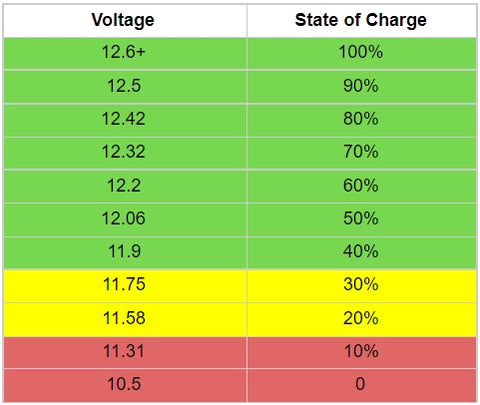
Most car batteries operate at a voltage level of 12.6 volts when fully charged. This is the standard for most vehicles. Think of this as your battery’s baseline energy level. If your battery drops below 12 volts, it’s a sign it needs charging or replacement.
Some cars use batteries with higher voltage levels, such as hybrid or electric vehicles. These can range from 48 volts to over 200 volts. Always check your vehicle’s manual to understand its specific requirements. Knowing your car’s standard voltage can save you from costly mistakes.
Importance Of Voltage
Voltage isn’t just a number; it’s the lifeline of your car’s electrical systems. A healthy voltage level ensures that your car starts smoothly and all electronic components work efficiently.
Low voltage can cause dim headlights, slow engine crank, and even affect your car’s computer systems. Imagine driving at night with barely visible headlights. Maintaining proper voltage is essential for safety and performance.
Regularly check your battery voltage to avoid unexpected breakdowns. A simple voltmeter can help you keep track of your battery’s health. How often do you check yours?
Understanding these basics can prevent small issues from becoming major headaches. Keep an eye on your battery voltage and you’ll be more confident on the road.
Credit: www.batteriesplus.com
Factors Affecting Battery Voltage
Understanding car battery voltage is crucial for maintaining vehicle health. Various factors can influence battery voltage, impacting performance and lifespan. Knowing these factors can help you diagnose problems early and avoid breakdowns.
Temperature Impact
Temperature plays a significant role in battery voltage. Cold weather can lower battery voltage, making it harder to start your car. Batteries work best in moderate temperatures. Excessive heat can also affect the voltage, causing it to drop.
Age And Wear
A battery’s age affects its voltage. Older batteries often have reduced voltage. As batteries wear out, they struggle to hold a charge. Regular checks can help you monitor wear and prevent voltage issues.
Usage Patterns
How you use your car can change battery voltage. Frequent short trips may drain the battery faster. Long periods of inactivity can also decrease voltage. Balanced usage patterns help maintain optimal voltage.
Signs Of Voltage Issues
Car battery voltage issues can sneak up on drivers. Recognizing the signs early helps prevent larger problems. Understanding these signs saves time and money. Two common signs include dim lights and slow engine crank. Let’s dive into each.
Dim Lights And Electrical Problems
Dim headlights often signal battery voltage issues. They flicker and seem weaker. This happens because the battery lacks enough power. Other electrical components might act up too. Dashboard lights could blink unexpectedly. Radio might not work properly. These symptoms indicate voltage troubles. It’s wise to check the battery promptly.
Slow Engine Crank
A slow engine crank is another warning sign. The engine struggles to start. It sounds sluggish, taking longer to ignite. This occurs when the battery can’t deliver the needed power. Drivers may notice the problem during colder months. Battery voltage drops in cold weather. Regular checks prevent these frustrating starts. Address the issue to avoid getting stranded.
Testing Battery Voltage
Testing the voltage of your car battery is essential for car maintenance. It helps ensure your battery is in good condition. Regular checks can prevent breakdowns and extend battery life. A reliable way to test your car battery voltage is by using a multimeter. This tool is simple, affordable, and accurate. It can help you spot issues before they become major problems.
Using A Multimeter
First, gather your multimeter and safety gear. Safety goggles and gloves are recommended. Begin by turning off your car and opening the hood. Locate the battery and identify its terminals. The positive terminal is usually marked with a plus sign. Set your multimeter to DC voltage, usually denoted by “V” with a straight line. Connect the red probe to the positive terminal. Connect the black probe to the negative terminal.
Interpreting Results
After connecting the probes, check the multimeter’s display. A healthy battery should read between 12.4 and 12.7 volts. If the reading is above 12.7 volts, your battery is overcharged. Below 12.4 volts, the battery might be weak or need charging. A reading below 12 volts indicates a dead or faulty battery. Consider charging or replacing it soon. Regular testing can help maintain optimal battery performance.
Maintaining Optimal Voltage
A car battery voltage between 12. 4 and 12. 6 volts indicates good health. Regular checks help ensure efficient performance. Maintaining optimal voltage extends the life of your battery, reducing unexpected breakdowns.
Maintaining the optimal voltage in your car battery is crucial for ensuring your vehicle runs smoothly. A well-maintained battery not only saves you from unexpected breakdowns but also extends the life of your vehicle’s electrical systems. As someone who once found themselves stranded on a rainy night due to a dead battery, I can attest to the importance of keeping your car battery in top shape. Let’s explore some practical strategies to achieve this.Regular Checks
Regularly checking your car battery voltage is like scheduling a routine health check-up for your vehicle. Use a multimeter to test the voltage, ideally once a month. A healthy car battery should read between 12.4 and 12.7 volts when the engine is off. If the reading is consistently below this range, it might be time for a replacement. Catching issues early can save you from the frustration of a dead battery at an inconvenient time.Proper Charging Practices
Charging your battery correctly is essential for maintaining its optimal voltage. Use a smart charger that adjusts the charge according to the battery’s needs. Avoid overcharging as it can lead to overheating and damage. When charging, ensure the battery terminals are clean and free of corrosion. Corrosion can affect the connection and reduce charging efficiency. A simple mix of baking soda and water can help clean off any buildup. Finally, consider how often you drive. Short trips can prevent the battery from fully charging, reducing its lifespan. If you often take short trips, make a point to drive longer distances occasionally to give your battery a proper charge. How often do you perform these maintenance tasks? Taking small steps like these can significantly impact your car’s performance and your peace of mind.Credit: www.lokithorshop.com
Technological Advancements
Technological advancements have greatly influenced car battery voltage. These innovations help ensure more efficient and reliable power for vehicles. Modern technologies improve battery performance and lifespan. They also contribute to a more eco-friendly driving experience. Let’s explore these advancements.
Smart Battery Management Systems
Smart Battery Management Systems (BMS) monitor battery health and charge levels. They provide real-time data to drivers. BMS ensures batteries operate efficiently and safely. It helps prevent overcharging and deep discharging. These systems extend battery life and enhance performance.
Innovations In Battery Design
New designs improve battery efficiency and capacity. Lightweight materials make batteries more durable. Improved cell structures increase energy storage. These innovations lead to longer-lasting batteries. They also reduce environmental impact. Advanced designs support the growing demand for electric vehicles.
Frequently Asked Questions
At What Voltage Should I Replace My Car Battery?
Replace your car battery if the voltage drops below 12. 4 volts. Low voltage indicates insufficient charge. Check the battery with a multimeter. Regular maintenance ensures optimal performance. Consider replacing if cranking power weakens. Address voltage issues promptly to avoid vehicle starting problems.
Keep your battery in good condition for reliability.
Is 12.4 Volts An Ok Car Battery?
A car battery reading of 12. 4 volts is generally acceptable. It indicates the battery is about 75% charged. Regularly check and charge if needed to maintain optimal performance. Ensure no electrical issues are present for reliable vehicle operation.
Is 14.5 Volts Good For A Car Battery?
Yes, 14. 5 volts is generally good for a car battery. It indicates proper charging from the alternator. This voltage ensures efficient battery performance and longevity. Regularly check your car battery and alternator to maintain optimal voltage levels. Proper maintenance helps prevent electrical issues in your vehicle.
Is 11.8 V Good For A Battery?
11. 8 V is low for a typical 12 V car battery. It may indicate undercharging or a weak battery. Consider checking the alternator and battery health. Regular maintenance ensures optimal performance and longevity. Seek professional advice if issues persist.
Conclusion
Maintaining the right car battery voltage ensures smooth vehicle performance. Regular checks can prevent unexpected breakdowns. A stable voltage indicates a healthy battery. Neglecting this can lead to costly repairs. Invest time in routine inspections for peace of mind. Simple tools can measure voltage easily.
Understanding your battery’s needs extends its life. This keeps your car reliable on the road. Remember, a little attention goes a long way. Safe travels depend on a healthy battery. Stay informed and proactive. Your car will thank you.
