Keeping your car spotless can feel like a tough job, especially when dirt and grime build up fast. But what if you could make cleaning your car easier, faster, and more effective?
With the right tips for using a car cleaning jet wash, you can achieve a showroom shine without the hassle. You’ll discover simple tricks that save you time and protect your car’s paint. Ready to transform your car cleaning routine and enjoy a sparkling ride every time?
Keep reading—you won’t want to miss these game-changing tips!
Choosing The Right Jet Wash
Choosing the right jet wash is key for effective car cleaning. The right tool saves time and protects your vehicle’s paint. Understanding different types helps you pick the best one.
Types Of Jet Washers
There are several types of jet washers. Some are compact and lightweight, ideal for small cars. Others are heavier and suited for larger vehicles or heavy dirt. Each type serves different cleaning needs.
Pressure Levels Explained
Pressure matters in jet washing. Low pressure cleans delicate surfaces without damage. Higher pressure removes tough dirt but can harm paint if too strong. Choose a pressure level that matches your car’s needs.
Electric Vs. Gas Models
Electric jet washers are quieter and easier to use. They suit most home users and need less maintenance. Gas models offer more power and mobility but are louder and require fuel. Consider your cleaning area and power needs.

Credit: www.amazon.com
Preparing Your Car
Preparing your car before using a jet wash is very important. It helps protect your car and gets better cleaning results. Taking time to prepare saves effort later. Follow these simple steps to get ready.
Removing Loose Dirt
Start by brushing off loose dirt and dust. Use a soft brush or cloth to clear the surface. This stops dirt from scratching the paint during washing. Focus on wheels and under the car too. Removing loose dirt first makes washing easier and safer.
Protecting Sensitive Areas
Cover areas that water can damage. Seal electrical parts like lights and sensors with plastic wrap or tape. Avoid spraying directly on open vents or exhaust pipes. Protecting these spots prevents water from causing problems later. Take a few minutes to check all sensitive parts.
Gathering Cleaning Supplies
Collect all needed supplies before you start. Get soap made for cars, a sponge, and microfiber towels. Have a bucket for rinsing and drying cloths ready. Using the right tools helps clean better and protects your car’s finish. Being prepared keeps the job quick and smooth.
Jet Wash Techniques
Using a jet wash for car cleaning needs some skill. The right techniques save your car and give it a fresh look. Learn how to handle the jet wash properly for the best results.
Optimal Distance And Angle
Keep the jet washer nozzle 12 to 18 inches from the car surface. Too close can damage the paint. Too far reduces cleaning power. Hold the nozzle at a 45-degree angle. This helps remove dirt without forcing water under the paint.
Safe Washing Sequence
Start washing from the top of the car. Move downward to avoid dirt running over clean parts. Wash wheels last because they are the dirtiest. Use a gentle spray first, then increase pressure on stubborn spots.
Avoiding Damage To Paint
Never spray directly into cracks or seals. High pressure can force water inside. Avoid using the turbo or pencil jet settings on delicate areas. Use a wide spray and keep moving the nozzle. This prevents paint chips and scratches.
Credit: istobal.com
Cleaning Solutions And Detergents
Cleaning solutions and detergents play a key role in jet washing your car. Choosing the right product protects your car’s paint and removes dirt effectively. The wrong detergent can cause damage or leave residue behind.
Understanding how to dilute and apply these products makes cleaning easier and safer. Some solutions work better in specific conditions or on certain parts of your car. Eco-friendly options also help reduce harm to the environment while keeping your car clean.
Choosing Car-friendly Products
Select detergents made specifically for cars. These products are gentle on paint and clear coats. Avoid household cleaners or harsh chemicals that can strip wax or damage surfaces. Look for labels that mention safe use on vehicles. Mild pH-balanced soaps work well and protect your car’s finish.
Dilution And Application Tips
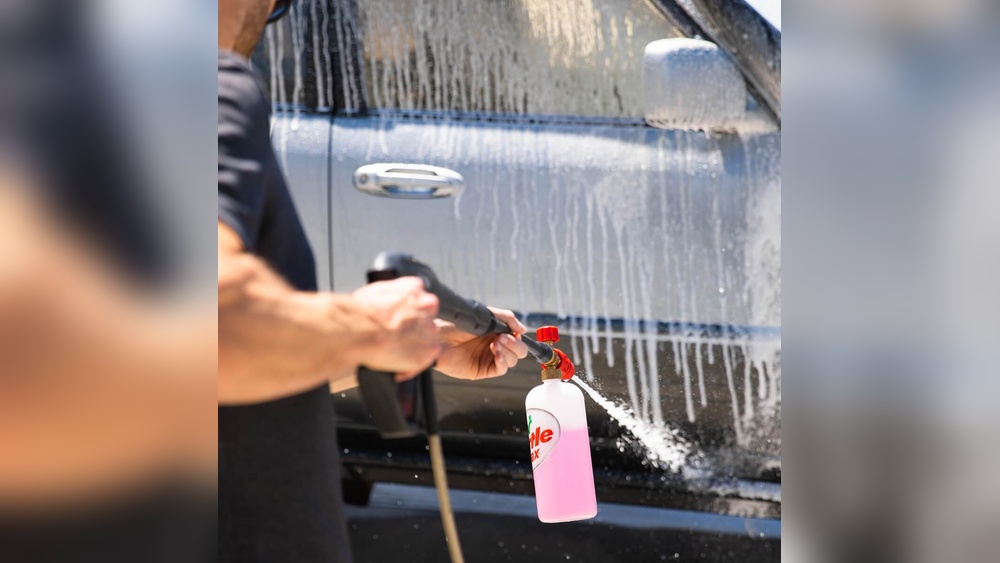
Follow the instructions on the detergent label carefully. Most products require mixing with water before use. Too strong a mixture can harm paint and trim. Use a bucket or foam cannon to apply evenly. Rinse the car thoroughly after washing to remove all soap. Work in the shade to avoid streaks and water spots.
Eco-friendly Options
Eco-friendly detergents use natural ingredients. These break down quickly and reduce pollution. Many are free from phosphates and harsh chemicals. Choose biodegradable products to protect plants and water sources. They clean well without risking your car or the planet.
Tackling Tough Spots
Tackling tough spots on your car needs patience and the right tools. Dirt, grime, and stains can stick stubbornly. A jet wash helps, but some areas need extra care. Target these spots carefully to keep your car looking fresh and clean.
Removing Bug Splatter
Bug splatter can damage paint if left too long. Spray the jet wash gently on the affected area. Use a soft brush to loosen the bugs. Avoid high pressure to protect the paint. Rinse well and repeat if needed. Quick action stops stains from setting in.
Dealing With Tar And Grease
Tar and grease are sticky and hard to remove. Apply a tar remover or soapy water before jet washing. Let it sit for a few minutes. Use the jet wash on medium pressure to break down the grime. Wipe with a cloth to remove residue. This keeps your paint safe and clean.
Cleaning Wheels And Tires
Wheels and tires collect brake dust and dirt. Use a strong jet wash setting for these parts. Apply a wheel cleaner to break down grime. Scrub with a brush to reach tight spots. Rinse thoroughly to avoid residue build-up. Clean wheels improve your car’s overall look and safety.
Drying And Finishing Touches
Drying and finishing touches are key steps after using a jet wash on your car. Proper drying stops water spots and streaks. It also prepares your car for the final polish. These steps help keep your car looking clean and shiny for longer.
Effective Drying Methods
Use a soft microfiber towel for drying. It absorbs water well and avoids scratches. Start drying from the top of the car. Move downwards to catch all water drops. Avoid air drying because it leaves water spots. A leaf blower or air dryer can remove water from tight spots.
Waxing After Jet Washing
Waxing protects your car’s paint after washing. It adds a shiny layer that repels dirt and water. Apply wax in thin, even layers. Use a foam applicator or soft cloth. Let the wax dry until it looks hazy. Then buff with a clean microfiber cloth. Waxing every few months keeps the surface smooth and glossy.
Maintaining Shine Long-term
Regular washing keeps your car shiny and fresh. Avoid harsh soaps that strip wax layers. Use pH-balanced car shampoos instead. Park your car in shaded areas to prevent fading. Clean bird droppings and tree sap quickly. These spots can damage paint if left too long. Keep a quick detailer spray handy for light cleaning between washes.
Safety Tips For Jet Washing
Jet washing a car is a quick way to clean dirt and grime. It uses strong water pressure to remove tough stains. Safety is very important during this process. Without care, jet washing can cause injuries or damage. Follow key safety tips to protect yourself and your car.
Protecting Yourself
Wear safety glasses to protect your eyes from water spray. Use gloves to keep your hands safe from cold water and chemicals. Long pants and closed shoes help shield your skin. Stand firm and keep a good grip on the jet wash handle. Never point the nozzle at yourself or others.
Avoiding Electrical Hazards
Keep the jet wash away from electrical outlets and cords. Water and electricity do not mix. Use a grounded power source to reduce shock risks. Avoid using a jet wash in wet or rainy conditions. Disconnect the machine before cleaning or fixing it.
Preventing Surface Damage
Start with a lower pressure setting to avoid scratches. Hold the nozzle at least a foot from the car surface. Do not spray directly on fragile areas like mirrors or lights. Use the right nozzle type for car cleaning. Test on a small area first to check the effect.
Common Mistakes To Avoid
Cleaning your car with a jet wash can be quick and effective. Yet, many make mistakes that harm the paint or waste water. Avoiding these errors saves money and keeps your car looking great. Focus on common mistakes to make your cleaning safe and efficient.
Using Excessive Pressure
High pressure can damage your car’s paint and trim. It may cause scratches or peel off protective layers. Use the lowest pressure setting that removes dirt. Keep the nozzle at least 12 inches from the surface. Move the spray evenly to avoid focusing on one spot.
Ignoring Manufacturer Instructions
Every jet wash machine comes with specific guidelines. These instructions explain safe pressure levels and suitable detergents. Not following them can lead to equipment damage or poor cleaning. Read the manual before starting. Using the right settings protects both the car and the washer.
Skipping Pre-wash Steps
Removing loose dirt before jet washing prevents scratches. Dry dust or mud can rub against the paint under pressure. Rinse your car lightly or use a soft brush first. This simple step improves cleaning results and protects your car’s surface.
Credit: www.mtmhydroparts.com
Frequently Asked Questions
What Pressure Level Is Best For Jet Wash Car Cleaning?
Use a pressure between 1200-1900 PSI for safe cleaning. This range effectively removes dirt without damaging paint or surfaces. Always start with the lowest pressure and increase if needed for stubborn grime. Avoid high pressure to prevent scratches or water intrusion.
How Far Should I Hold The Jet Wash From My Car?
Maintain a distance of 12-24 inches from the car’s surface. This prevents paint damage and ensures effective dirt removal. Adjust distance based on pressure strength and dirt level. Closer distances can cause harm, while too far reduces cleaning efficiency.
Can Jet Washing Remove All Types Of Car Dirt?
Jet washing removes most dirt like mud, dust, and road grime. It’s less effective on stubborn stains like tar or sap without special detergents. Pre-treat tough spots with suitable cleaners before jet washing for best results.
Should I Use Soap With A Jet Wash For Cars?
Yes, use car-specific soap with your jet wash for better cleaning. Soap helps break down dirt and grease safely. Avoid household detergents as they can strip wax and damage paint. Use a foam cannon or soap nozzle attachment.
Conclusion
A clean car feels fresh and looks great. Using a jet wash saves time and effort. Always follow safety tips to protect your paint. Choose the right pressure and distance for best results. Regular washing keeps dirt and grime away.
Your car will shine and last longer. Simple care makes a big difference. Try these tips next time you wash your car. Enjoy a cleaner ride every day.