Car batteries are very important for your vehicle. They help start the engine. They also power lights and other parts. But, do you know what is a normal battery voltage? Why does it matter? This article will explain why normal battery voltage is important for cars.
What Is Battery Voltage?
Battery voltage is the electric power inside the car battery. It is measured in volts. The battery gives electricity to start the car engine. It also powers the lights, radio, and other things when the car is off or running.
Most car batteries are 12 volts. But the real voltage can change. It depends on the battery condition and if the car is running or not.
Normal Battery Voltage Range
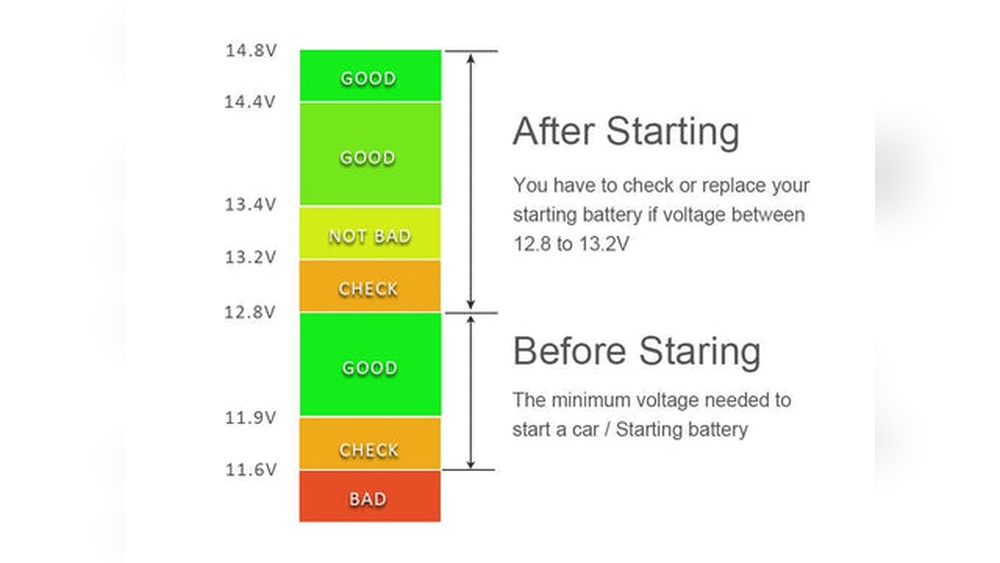
A fully charged car battery usually has a voltage between 12.6 and 12.8 volts. This range is normal for a healthy battery when the car is off. Here is a simple table to show this:
| Battery State | Voltage Range (Volts) |
|---|---|
| Fully charged (car off) | 12.6 to 12.8 |
| Partially charged (car off) | 12.4 to 12.6 |
| Low charge or bad battery | 12.0 or less |
| When car is running (charging) | 13.7 to 14.7 |
When the engine is running, the battery voltage should be higher. This is because the alternator is charging the battery. The voltage will be around 13.7 to 14.7 volts.
Why Is Normal Battery Voltage Important?
Your car battery voltage tells you how healthy the battery is. It also shows if the charging system works well. Here are some reasons why normal battery voltage matters:
- Easy Starting: A good voltage means the battery can start the car easily.
- Power for Electronics: Lights, radio, and other parts need good voltage.
- Long Battery Life: Proper voltage helps the battery last longer.
- Prevent Breakdowns: Low voltage can cause the car not to start.
Signs of Bad Battery Voltage
Sometimes, the battery voltage is not normal. This can cause problems. Here are some signs of bad battery voltage:
- The engine is slow to start or does not start.
- Lights are dim or flicker when you turn them on.
- Clicking sound when you turn the key.
- Battery warning light on the dashboard.
If you see these signs, the battery voltage may be low or the battery may be bad.

Credit: www.reddit.com
Difference Between Bad Battery and Bad Alternator
Sometimes, people confuse a bad battery with a bad alternator. Both can cause voltage problems. But they are different parts.
What Is An Alternator?
The alternator is a part that charges the battery when the car runs. It gives power to the battery and car parts.
Signs Of A Bad Alternator
- Car starts, but dies soon after.
- Lights flicker when engine speed changes.
- Power windows or radio work badly.
- Burning smell or strange noise near engine.
- Battery warning light is on.
Signs Of A Bad Battery
- Engine cranks slowly or not at all.
- Clicking sounds when turning the key.
- Car starts with a jump but won’t restart later.
- Lights are dim from the start.
- Corrosion on battery terminals.
How to Test Battery Voltage
You can check battery voltage with a simple tool called a voltmeter. Here is how:
- Turn off the car.
- Connect voltmeter probes to battery terminals.
- Read the voltage on the screen.
If the voltage is between 12.6 and 12.8, the battery is good. If it is below 12.4, the battery needs charging or replacement.
Credit: www.tukarbateri.com.my
How to Test If Battery or Alternator Is Bad
You can do a simple jump-start test:
- Jump-start the car with another battery.
- Once running, disconnect the positive battery terminal carefully.
- If the car stops, the alternator is bad.
- If the car keeps running, the battery is bad.
This test helps find the real problem.
Keep Your Battery Voltage Normal
To keep your battery voltage normal, do these things:
- Drive your car regularly to charge the battery.
- Turn off lights and radio when the car is off.
- Check battery terminals and clean corrosion.
- Test battery voltage every few months.
- Replace the battery if voltage stays low.
Summary
The normal battery voltage for a car is very important. It helps the car start and all parts work well. A good battery voltage is between 12.6 and 12.8 volts when the car is off. When the car runs, voltage should be higher, around 13.7 to 14.7 volts.
Bad battery voltage can cause many problems. You might see slow starting, dim lights, or clicking sounds. Sometimes the problem is the battery. Sometimes it is the alternator. You can test both with simple tools or at a car shop.
Taking care of your battery and checking voltage often can save you from trouble. A good battery voltage means a happy and healthy car.
Frequently Asked Questions
Is 12.8 Volts Good For A Car Battery?
A car battery voltage of 12. 8 volts indicates a fully charged and healthy battery. It ensures reliable starting and optimal performance. Regularly check voltage to maintain battery health and avoid starting issues.
How To Tell If It’s A Bad Battery Or Alternator?
A bad battery causes slow cranking, clicking sounds, and dim lights at startup. A bad alternator makes the car die soon after starting, flickers lights, and causes electrical issues. Test by jump-starting, then disconnecting the battery; if the car stops, the alternator is faulty.
Is 13.5 Volts Good For A Car Battery?
A car battery voltage of 13. 5 volts indicates it is fully charged and healthy. This voltage shows the alternator charges the battery properly. Normal resting voltage ranges between 12. 6 and 12. 8 volts, but 13. 5 volts occurs when the engine runs, which is ideal for battery maintenance.
Is 11.9 Volts Enough To Start A Car?
11. 9 volts is usually too low to start a car. A healthy battery shows around 12. 6 volts. Low voltage causes slow or no engine crank. Charge or replace the battery for reliable starts.