Have you ever found your car battery dead for no clear reason? You might be dealing with something called a parasitic drain.
This hidden problem quietly saps your battery’s power when your car is off, leaving you stranded and frustrated. Understanding what parasitic drain is and how it works can save you time, money, and stress. Keep reading to discover how this sneaky issue affects your car and what you can do to stop it before it stops you.
Parasitic Drain Basics
Understanding parasitic drain is important for every car owner. It explains why a car battery loses power even when the car is off. This section breaks down the basics. Learn what parasitic drain means and how it affects your car battery.
What Parasitic Drain Means
Parasitic drain happens when electrical components use power after the engine stops. Some systems need power all the time, like the clock or alarm. But if something uses too much power, it causes a drain. This drain slowly drains the battery over hours or days. The result? A dead battery when you want to start your car.
How It Affects Your Car Battery
A car battery stores energy to start the engine. Parasitic drain reduces this stored energy. The battery may not have enough power to turn the engine on. Repeated draining shortens the battery’s life. It can cause unexpected breakdowns and costly repairs. Checking for parasitic drain helps keep the battery healthy and reliable.

Credit: www.team-bhp.com
Common Causes
Parasitic drain in a car happens when electrical components use battery power while the engine is off. This can make the battery weak or dead over time. Several common causes lead to parasitic drain. Understanding these helps keep your car’s battery healthy and reliable.
Faulty Electrical Components
Old or damaged parts can draw extra power. Worn-out wiring or broken sensors may keep working even after the car is off. These faults slowly drain the battery without any sign.
Aftermarket Accessories
Added devices like alarms, GPS trackers, or stereos can cause drain. Poor installation or low-quality parts may stay active after shutdown. This unwanted power use reduces battery life quickly.
Interior Lights Left On
Sometimes lights inside the car stay on by mistake. Dome lights, glove box lights, or trunk lights can stay lit. Even small bulbs use enough power to drain the battery overnight.
Malfunctioning Relays And Switches
Relays and switches control power flow in your car. If they get stuck or fail, they can leave circuits on. This keeps drawing power from the battery without stopping.
Signs Of Parasitic Drain
Parasitic drain happens when your car battery loses power even when the engine is off. It quietly uses electricity, causing battery problems over time. Recognizing the signs early helps you avoid being stranded with a dead battery. Watch for these common symptoms that suggest parasitic drain in your vehicle.
Slow Engine Crank
Your engine turns over slower than usual when starting the car. This delay means the battery does not have enough power. Parasitic drain can weaken the battery, making the engine crank slowly. Pay attention if starting the car feels sluggish or weak.
Battery Warning Light
The battery warning light on your dashboard may turn on unexpectedly. This light signals a problem with the charging system or battery health. A parasitic drain can cause this warning by lowering battery voltage. Never ignore this light as it indicates electrical issues.
Electrical Issues
Lights may dim or flicker while driving or parked. Power windows and other electrical features might work slower or stop working. These issues can point to a battery struggling due to parasitic drain. Electrical problems often appear before total battery failure.
Frequent Jump Starts
Needing to jump-start your car often is a key sign of parasitic drain. The battery cannot hold a full charge because something keeps draining it. Frequent jump starts indicate the battery is not the only problem. Investigate further to find and fix the drain source.
Credit: powertronbatteryco.com
Diagnosing Parasitic Drain
Diagnosing parasitic drain helps find why a car battery dies fast. It checks if something uses power when the car is off. This process saves time and money by finding the exact cause.
Using A Multimeter
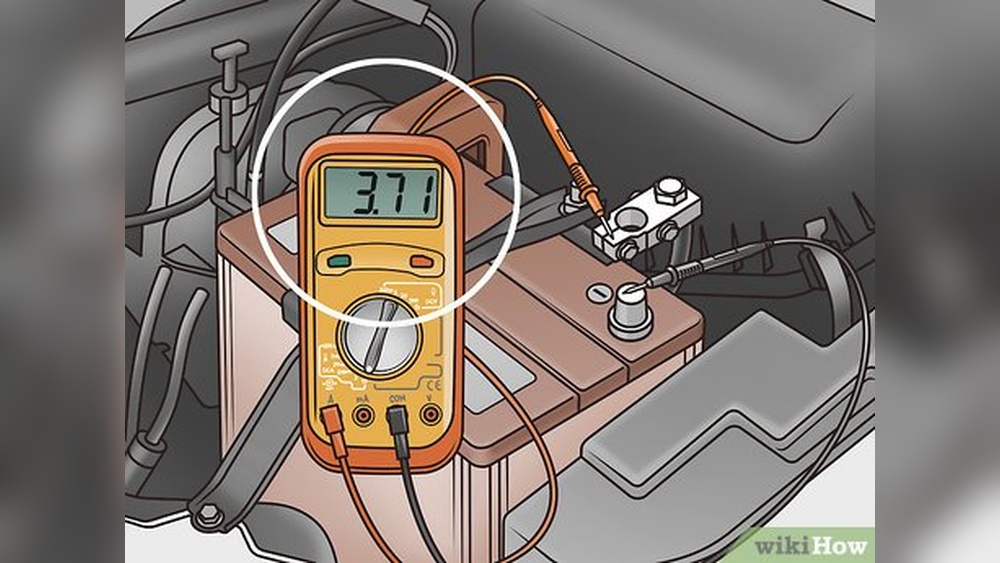
A multimeter measures electrical current in the car. Set it to the ampere mode. Disconnect the negative battery cable. Connect the multimeter between the cable and battery terminal. Watch the reading. A normal drain is usually below 50 milliamps. Higher readings show a parasitic drain.
Isolating The Circuit
Remove fuses one by one while watching the multimeter. When the reading drops suddenly, the problem is in that circuit. Test each fuse this way. This step narrows down which part of the car uses power wrongly.
Checking Fuses And Relays
Inspect fuses for damage or corrosion. Replace any that look bad. Relays can stick and cause power drain. Swap relays with similar ones to test them. Fix or replace faulty parts to stop the drain.
Fixing Parasitic Drain
Fixing parasitic drain is essential to keep your car battery healthy. This drain happens when electrical parts use power even after you turn off the engine. It can leave your battery dead and cause starting problems. Repairing the issue quickly saves you money and stress.
Replacing Faulty Parts
Some car parts can cause parasitic drain if they break or wear out. Common culprits include interior lights, sensors, and switches. Replace these faulty parts to stop unnecessary battery use. A new part will only draw power when needed.
Securing Loose Wiring
Loose or damaged wires can create a constant power flow. Check wiring connections for wear or corrosion. Tighten loose wires and fix any damage found. Proper wiring prevents power leaks and protects your battery life.
Professional Repair Options
Sometimes, the parasitic drain is hard to find or fix alone. A mechanic uses special tools to test your car’s electrical system. Professionals can spot hidden problems quickly. They ensure the repair is done safely and correctly.
Credit: www.youtube.com
Preventing Future Drain
Preventing future parasitic drain keeps your car battery healthy and reliable. Small electrical draws can slowly kill your battery over time. Taking simple steps can stop this silent problem before it starts. Keep your car ready to go every day.
Regular Battery Maintenance
Check your battery terminals for dirt and corrosion often. Clean them with a brush and baking soda solution if needed. Tighten loose connections to avoid power loss. Test your battery voltage regularly to spot early signs of trouble. Replace old batteries before they fail completely.
Turning Off Electronics When Not In Use
Switch off lights, radios, and chargers after driving. Even small devices can drain power if left on. Make sure interior lights turn off when doors close. Avoid leaving USB ports or other accessories plugged in overnight. These habits save battery life and prevent surprises.
Routine Electrical System Checks
Have a mechanic inspect your car’s electrical system yearly. They can find hidden drains like faulty wiring or bad switches. Regular checkups help catch problems early and save money. Keep your car’s electronics in good shape to avoid battery drain issues.
Frequently Asked Questions
What Causes Parasitic Drain In A Car Battery?
Parasitic drain occurs when electrical components draw power after the engine is off. Common causes include faulty wiring, aftermarket accessories, or malfunctioning modules. This constant power use slowly discharges the battery, leading to starting issues and battery failure.
How Can I Detect Parasitic Drain In My Car?
You can detect parasitic drain using a multimeter to measure current flow with the engine off. Remove fuses one by one to isolate the faulty circuit. A drain above 50 milliamps usually indicates a problem requiring further inspection.
What Are Common Signs Of Parasitic Battery Drain?
Signs include slow engine cranking, dim headlights, and frequent battery replacement. You may also notice electrical systems behaving erratically. Early detection helps prevent getting stranded with a dead battery.
Can Parasitic Drain Damage My Car Battery Permanently?
Yes, prolonged parasitic drain can permanently damage a car battery. It causes deep discharge cycles that reduce battery capacity and lifespan. Prompt diagnosis and repair protect your battery and avoid costly replacements.
Conclusion
Parasitic drain can quietly harm your car’s battery over time. It wastes power even when the car is off. This can cause starting problems and leave you stranded. Checking for parasitic drain helps keep your car reliable. Simple steps can save you from costly repairs.
Stay alert to unusual battery issues or dim lights. Taking care early prevents bigger troubles later. Keep your car’s battery healthy and ready to go. Small actions make a big difference in car care.