Have you ever wondered what happens when you press your car’s brake pedal? Understanding how a car brake works can give you more confidence and control every time you drive.
Whether you’re curious about your vehicle’s safety or want to know what keeps you stopping smoothly, this article will break it down in simple terms. By the end, you’ll see your car’s braking system in a whole new light—and that knowledge could make all the difference on the road.
Keep reading to discover exactly what happens when you hit the brakes.
Car Brake Basics
Car brakes are essential for safe driving. They help stop the vehicle quickly and smoothly. Understanding the basics of car brakes helps you know how your car stays safe on the road.
Brakes work by creating friction that slows down the wheels. This friction turns the car’s movement into heat, which stops the car. Different types of brakes and parts work together to make this happen.
Types Of Car Brakes
There are two main types of car brakes: disc brakes and drum brakes. Disc brakes use a flat, round disc that spins with the wheel. Brake pads press against the disc to stop the car.
Drum brakes have a drum that turns with the wheel. Inside the drum, brake shoes press outward to slow the vehicle. Most modern cars use disc brakes on the front wheels for better stopping power.
Key Brake Components
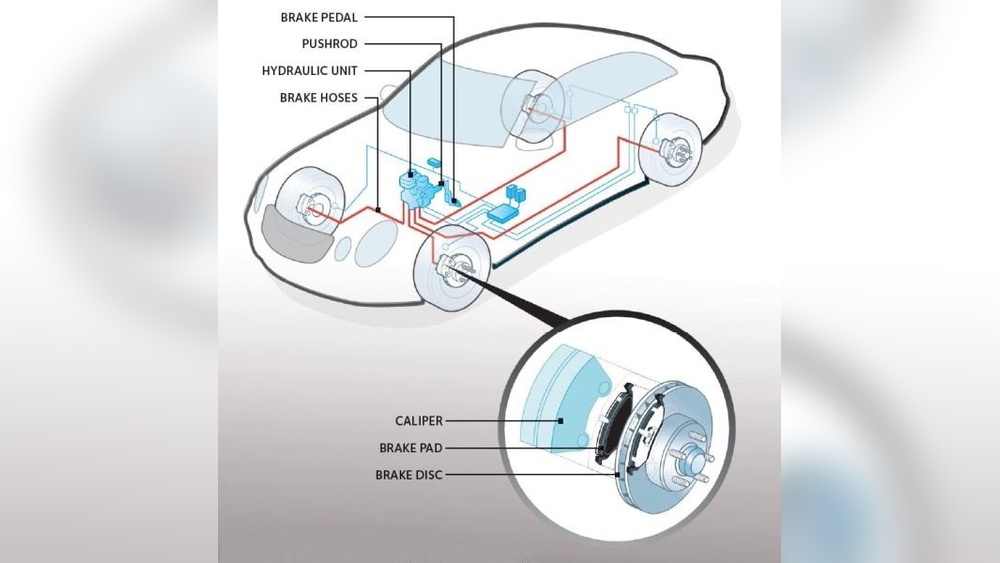
Brakes have several important parts. Brake pads press on the disc to create friction. Rotors are the discs that spin with the wheels. Calipers hold the brake pads and push them against the rotors.
The master cylinder controls brake fluid pressure. Brake lines carry this fluid to the brakes. When you press the brake pedal, fluid moves to apply the brakes and slow the car.

Credit: auto.howstuffworks.com
How Brakes Work
Brakes are essential for a car’s safety. They help the vehicle stop or slow down. Understanding how brakes work helps you appreciate this vital system. The process involves turning motion into force that stops the wheels.
Friction And Heat
Brakes use friction to stop the car. Brake pads press against a spinning disc or drum. This contact creates friction, which slows the wheel. Friction turns the car’s moving energy into heat. The heat is then released into the air. This process reduces the car’s speed safely and quickly.
Hydraulic System Role
The hydraulic system moves the brake pads. When you press the brake pedal, it pushes brake fluid. This fluid moves through brake lines to the brake calipers. The calipers squeeze the brake pads against the discs. This action creates the friction needed to stop the car. The system multiplies your foot pressure for strong braking power.
Disc Brakes Vs Drum Brakes
Disc brakes and drum brakes are the two main types of car braking systems. Each works differently to stop a vehicle safely. Knowing their features helps understand how brakes affect driving and safety.
Disc Brake Features
Disc brakes use a flat, round metal disc. The brake pads squeeze this disc to stop the wheels. They cool down quickly, which prevents overheating. Disc brakes offer strong and steady stopping power. They work well in wet or muddy conditions. Maintenance is usually easier because parts are visible and accessible.
Drum Brake Features
Drum brakes use a drum that spins with the wheel. Brake shoes push outward against the inside of the drum to stop the car. They are simple in design and often cost less. Drum brakes can hold the car on hills better with a parking brake. They are slower to cool down than disc brakes. Dust and dirt can build up inside the drum, affecting performance.
Comparing Performance
Disc brakes stop the car faster and with more control. They handle heat better during long drives or heavy braking. Drum brakes work well for everyday driving and are common on rear wheels. Disc brakes need less force on the pedal to work well. Drum brakes may feel softer and less responsive. Overall, disc brakes provide safer and more reliable braking in most situations.
Credit: www.youtube.com
Brake System Maintenance
Brake system maintenance keeps your car safe and working well. Brakes wear out over time. Checking them often stops problems and keeps you in control. Simple care helps avoid costly repairs and accidents. Pay close attention to how your brakes feel and sound.
Signs Of Brake Wear
Listen for squeaking or grinding sounds when braking. These noises mean the brake pads are wearing thin. Notice if the car pulls to one side while stopping. A soft or spongy brake pedal also signals trouble. These signs show it is time to inspect the brakes.
Brake Fluid Importance
Brake fluid moves pressure from the pedal to the brakes. It must stay clean and full. Old or low brake fluid can cause brake failure. Check the fluid level regularly and change it as the car manual says. Good brake fluid keeps the braking system strong and safe.
When To Replace Brake Pads
Brake pads wear out with use and need replacement. Most pads last between 30,000 to 70,000 miles. Replace them if they are less than a quarter inch thick. Change pads immediately if you hear grinding noises. Timely replacement prevents damage to other brake parts.
Advanced Braking Technologies
Advanced braking technologies improve car safety and control. They help drivers stop faster and avoid accidents. These systems work with regular brakes to keep the vehicle stable. Modern cars often come equipped with these features. Understanding them helps you appreciate how car brakes have evolved.
Anti-lock Braking System (abs)
ABS stops the wheels from locking during hard braking. It prevents skidding on slippery roads. Sensors detect if a wheel is about to lock. The system quickly reduces brake pressure to that wheel. This action keeps the tires rolling and maintains steering control. ABS helps drivers steer around obstacles in emergencies.
Electronic Brakeforce Distribution (ebd)
EBD adjusts brake force on each wheel. It balances the stopping power based on the load and road. The system sends more force to wheels with better grip. This improves stability and reduces stopping distance. EBD works with ABS to optimize braking performance. It ensures safe and smooth stops in different conditions.
Brake Assist Systems
Brake assist detects sudden, strong brake pressure. It helps drivers who do not press hard enough. The system boosts brake force instantly to reach full stopping power. This reduces the time to stop the car. Brake assist works well in emergencies and panic braking. It supports drivers to avoid collisions effectively.
Credit: carexamer.com
Tips For Better Braking
Braking well is key to staying safe on the road. Good braking skills help avoid accidents and protect everyone. Simple tips can improve how you brake and keep control of your car.
Understanding how to brake smoothly and stop quickly in emergencies makes driving safer. Practice these tips to brake better every time you drive.
Safe Braking Techniques
Press the brake pedal gently and steadily. Avoid sudden, hard stops unless needed. Look far ahead to know when to slow down. This helps smooth braking and saves brake parts from damage. Keep a safe distance from the car in front. It gives more time to brake safely. Use engine braking by shifting to a lower gear on downhill roads. This reduces the need to press the brake pedal hard.
Handling Emergency Stops
Stay calm and press the brake pedal firmly and fast. Do not pump the brakes if your car has ABS; keep the pedal pressed. ABS helps keep control and stops the car quicker. Steer straight and avoid sharp turns while stopping. Look around to check for other cars or obstacles. Practice emergency braking in a safe place to build confidence. Knowing how to stop fast can save lives in critical moments.
Frequently Asked Questions
How Does A Car Brake System Work?
A car brake system works by converting kinetic energy into heat. When you press the brake pedal, hydraulic fluid activates the brake pads. These pads press against the rotating brake discs, slowing the vehicle down safely and efficiently.
What Are The Main Types Of Car Brakes?
The main types of car brakes are disc brakes and drum brakes. Disc brakes use brake pads and discs, while drum brakes use brake shoes inside a drum. Most modern cars use disc brakes for better performance and heat dissipation.
Why Is Brake Fluid Important In Cars?
Brake fluid transfers the force from the brake pedal to the brake components. It ensures smooth and reliable braking by maintaining hydraulic pressure. Without proper brake fluid levels, braking efficiency decreases, posing safety risks.
How Often Should Car Brakes Be Checked?
Car brakes should be checked every 10,000 to 15,000 miles or during regular service intervals. Regular inspections prevent brake wear, fluid leaks, and ensure safety. Early detection of issues can save costly repairs and maintain optimal braking performance.
Conclusion
Car brakes help stop your vehicle safely and quickly. They use parts like pads, discs, and fluids to work. Pressing the brake pedal makes the car slow down or stop. Knowing how brakes work helps you drive more carefully. Regular brake checks keep you safe on the road.
Good brakes mean better control and less risk of accidents. Always pay attention to strange sounds or feelings from your brakes. Taking care of them protects you and others. Simple steps keep your brakes strong and your trips worry-free.