Have you ever wondered how your car actually comes to a stop when you press the brake pedal? Understanding how a car brake works is not just interesting—it’s crucial for your safety every time you drive.
Imagine knowing exactly what happens under the hood when you need to stop suddenly. This knowledge can give you more confidence behind the wheel and help you spot potential problems early. Keep reading to discover the simple yet fascinating process that makes your car stop on command.
Credit: www.reddit.com
How Car Brakes Work
Car brakes stop your vehicle safely and quickly. They work by turning motion into heat through friction. This process slows down and stops the wheels. Understanding how car brakes work helps you care for them better.
Basic Brake System Components
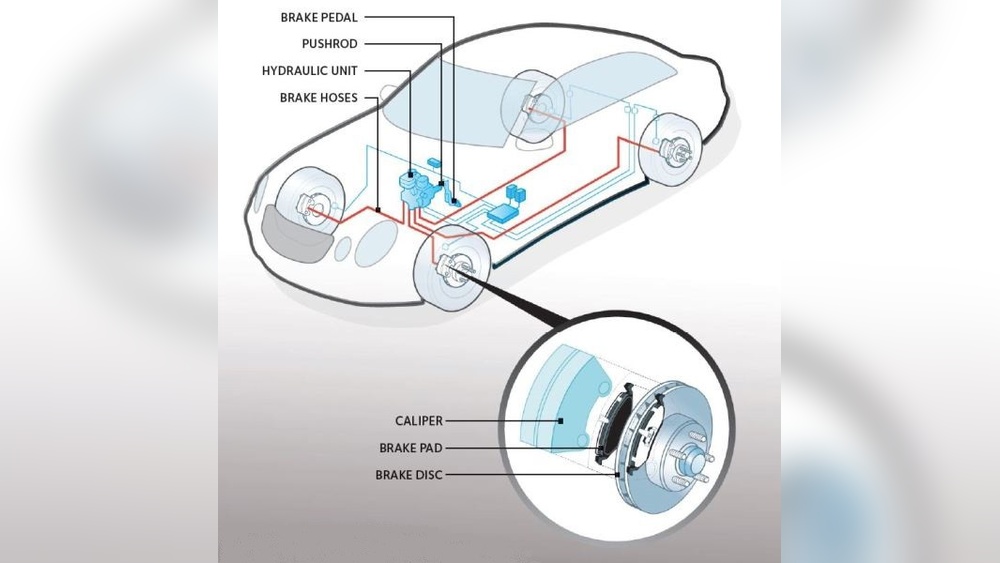
The brake system has key parts. These include brake pads, rotors, calipers, and the master cylinder. Each part plays a specific role in stopping the car. The system works together to ensure safety on the road.
Role Of Brake Pads And Rotors
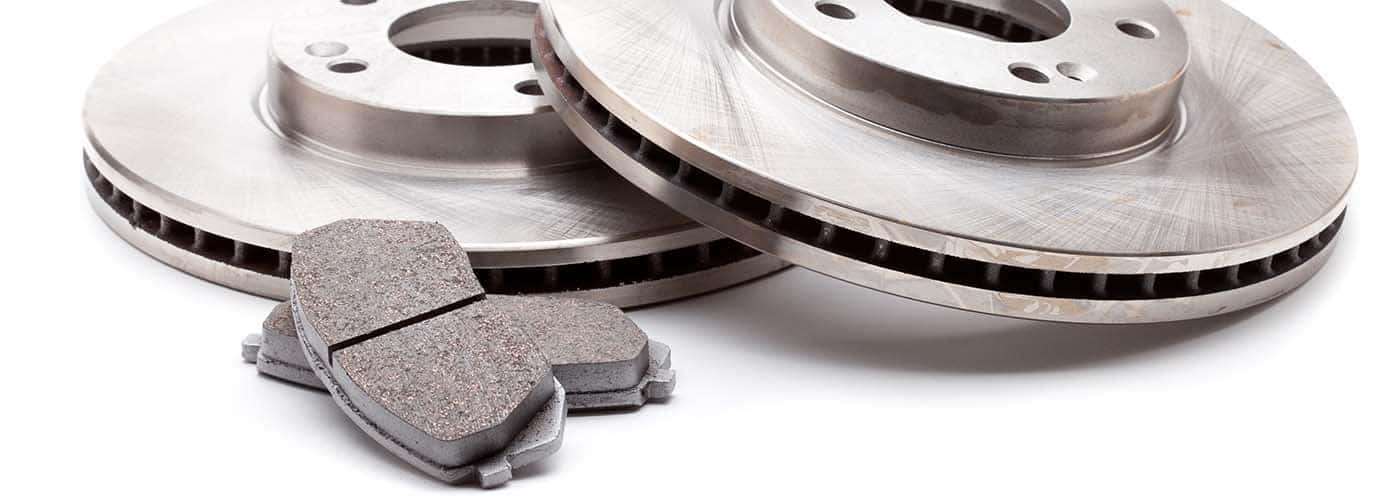
Brake pads press against rotors to create friction. Rotors are metal discs attached to the wheels. When pads clamp down, they slow the rotor’s spin. This action reduces the wheel’s speed and stops the car.
Hydraulic System Functionality
The hydraulic system moves force from the brake pedal to the brakes. Pressing the pedal pushes brake fluid through tubes. This fluid pushes the calipers, which press the brake pads. The system multiplies your foot’s force to stop the car.

Credit: auto.howstuffworks.com
Types Of Car Brakes
Car brakes are essential for safe driving. Different types of brakes work in various ways to stop a vehicle. Understanding these types helps you know how your car stays safe on the road. Here are the main types of car brakes and how they function.
Disc Brakes Explained
Disc brakes are the most common brakes in modern cars. They use a flat, round metal disc attached to the wheel. When you press the brake pedal, brake pads squeeze the disc. This creates friction, which slows the wheel down and stops the car. Disc brakes cool down quickly, making them efficient for heavy use.
Drum Brakes Features
Drum brakes are older but still used in some cars. They have a drum that rotates with the wheel. Inside the drum, brake shoes press outward to slow the wheel. Drum brakes are less expensive and work well for parking brakes. They do not cool as fast as disc brakes, so they can fade with heavy use.
Emerging Brake Technologies
New brake technologies improve safety and performance. Electric cars often use regenerative braking. This system recovers energy while slowing the car. Anti-lock Braking Systems (ABS) prevent wheel lock during hard stops. These technologies make braking safer and more efficient for all drivers.
Signs Of Brake Wear
Brakes are vital for your car’s safety. They need regular checks to work well. Signs of brake wear help you know when to act. Spotting these signs early can prevent accidents and costly repairs.
Common Warning Noises
Squealing or screeching sounds often mean brake pads are worn out. A grinding noise shows metal rubbing against metal. This noise needs urgent attention. Clicking or thumping sounds can also indicate brake problems.
Brake Pedal Behavior
A soft or spongy brake pedal may show air in the brake lines. If the pedal sinks to the floor, it could mean a leak. A vibrating pedal often means warped brake rotors. Pay attention to how the pedal feels every time.
Visual Inspection Tips
Look through the wheel spokes to see the brake pads. Thin pads need replacement soon. Check for deep grooves or cracks on rotors. Fluid leaks around the wheels or under the car are warning signs. Regular visual checks help catch problems early.
Brake Maintenance Tips
Proper brake maintenance keeps your car safe and stops it well. Regular care helps avoid costly repairs and accidents. You can extend brake life by following simple tips. Check your brakes often to catch problems early.
When To Replace Brake Pads
Brake pads wear down with use. Listen for squeaking or grinding sounds. These noises mean it is time to change pads. Also, watch for longer stopping distances. Thin pads affect your car’s ability to brake. Replace them before they wear out completely.
Importance Of Brake Fluid
Brake fluid transfers pressure from the pedal to the brakes. Over time, fluid can absorb moisture and lose effectiveness. Old brake fluid may cause spongy brakes or failure. Change brake fluid every 1 to 2 years. Use the correct type for your car model.
Professional Brake Inspection
Have a mechanic check your brakes regularly. Professionals spot issues that are easy to miss. Inspections include pads, rotors, fluid, and brake lines. Early detection helps prevent accidents and repairs. Schedule inspections at least once a year.
Safety Tips For Braking
Braking is one of the most important actions while driving. Safe braking keeps you and others on the road protected. Knowing how to brake properly helps avoid accidents and car damage. This section explains key safety tips for braking in different situations.
How To Brake In Emergencies
Press the brake pedal firmly and quickly. Do not pump the brakes unless your car has an anti-lock braking system (ABS). ABS helps keep control by preventing wheel lock. Keep your eyes on the road and steer clear of obstacles. Stay calm and avoid sudden movements to prevent skidding.
Avoiding Brake Failure
Check your brake fluid regularly. Low fluid can cause brake failure. Listen for unusual sounds like squealing or grinding. These noises may signal worn brake pads. Replace brake pads on time. Keep brake lines free from leaks and damage. Regular brake inspections prevent unexpected problems.
Driving In Different Conditions
Slow down on wet or icy roads. Wet brakes take longer to stop your car. Use gentle pressure on the brake pedal. Avoid sudden braking to stop skids. On steep hills, use engine braking by downshifting. This helps reduce brake wear and keeps control.
Credit: www.marinechevy.com
Frequently Asked Questions
How Does A Car Brake System Work?
A car brake system uses friction to slow down wheels. When you press the pedal, brake pads press against rotors. This friction converts kinetic energy into heat, stopping the car safely and efficiently.
What Are The Main Types Of Car Brakes?
The main types are disc brakes and drum brakes. Disc brakes use pads and rotors, while drum brakes use shoes inside a drum. Modern cars mostly use disc brakes for better performance.
Why Do Car Brakes Sometimes Make Noise?
Brake noise often occurs due to worn brake pads, dust, or debris. It can also be caused by overheating or poor maintenance. Regular checks help prevent noisy brakes and ensure safety.
How Often Should Car Brakes Be Checked?
Brake systems should be inspected every 10,000 to 20,000 miles or during regular service. Early detection of issues prevents accidents and costly repairs. Always follow your vehicle’s maintenance schedule.
Conclusion
Understanding how car brakes work helps you stay safe on the road. Brakes slow down your car by creating friction. This friction happens when brake pads press against the wheels. Regular brake checks keep your vehicle in good condition. Knowing these basics makes you a smarter driver.
Always pay attention to brake sounds or changes. Good brakes mean better control and safer trips. Keep learning about your car for better safety. Simple steps can prevent big problems later. Stay alert and drive carefully every day.