Have you ever wondered how your car stops so smoothly when you press the brake pedal? Understanding how a car brake works can give you more confidence behind the wheel and help you take better care of your vehicle.
You’ll discover the simple yet clever system that makes stopping your car safe and reliable every time. Keep reading, because knowing this can save you money, prevent accidents, and make you feel more in control on the road.
Brake System Basics
The brake system is one of the most important parts of a car. It helps the driver stop the vehicle safely. Understanding the basics of how brakes work can help you keep your car in good shape and stay safe on the road.
Brakes use parts that work together to slow down or stop the wheels. There are different types of brake systems, but all have the same goal: to stop the car quickly and smoothly.
Key Components
The main parts of a brake system include the brake pedal, brake lines, brake fluid, and brake pads or shoes. The brake pedal is where the driver applies pressure. Brake lines carry the brake fluid to the brakes. Brake pads or shoes press against the wheels to slow them down.
How Brakes Work
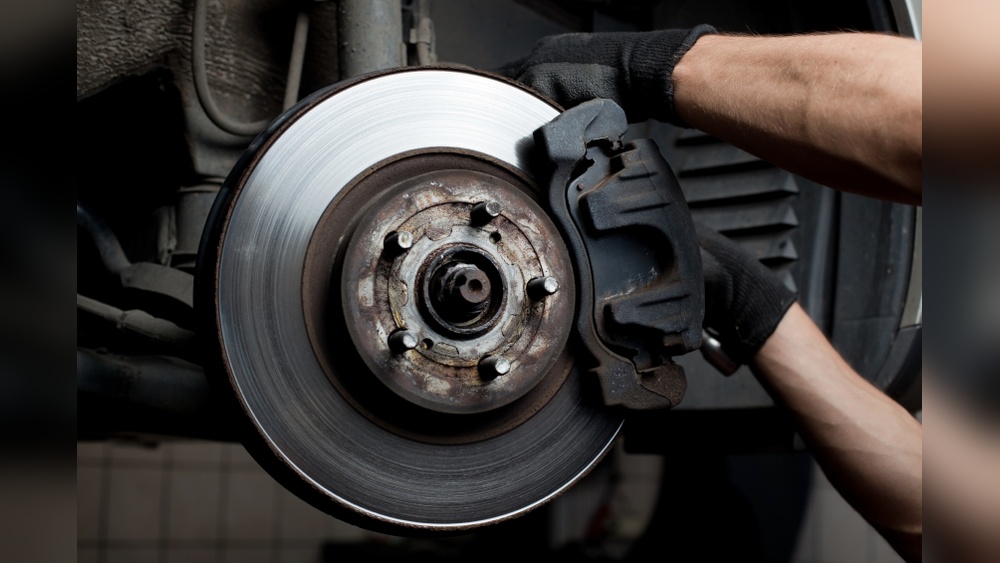
Pressing the brake pedal pushes brake fluid through the brake lines. This fluid pressure makes the brake pads press against the brake rotors or drums. The friction between the pads and rotors slows the wheels. This friction changes the car’s motion from moving to stopping.
Types Of Brake Systems
Two common brake systems are disc brakes and drum brakes. Disc brakes use a flat rotor and pads. They are common in most modern cars. Drum brakes use brake shoes inside a drum. They are usually found on older or smaller cars. Some cars have a mix of both types.
Disc Vs Drum Brakes
Disc and drum brakes are two common types of braking systems in cars. Both help stop the vehicle but work differently. Understanding their differences can help you know which suits your car better.
Design Differences
Disc brakes use a flat metal disc called a rotor. Pads squeeze the rotor to stop the car.
Drum brakes have a round drum that rotates with the wheel. Inside, brake shoes push out to create friction and slow the car.
Disc brakes are open and exposed. Drum brakes are enclosed inside the drum.
Performance Comparison
Disc brakes cool down faster because air flows around the rotor. This helps prevent overheating.
Drum brakes can hold more force but may fade in long, heavy braking.
Disc brakes provide better stopping power in wet conditions. Drum brakes can trap water inside, reducing efficiency.
Maintenance Needs
Disc brakes are easier to inspect and replace. You can see the pads without removing many parts.
Drum brakes need more work to check. You must remove the drum to see the shoes.
Drum brakes often last longer but may cost more to fix if damaged.
Role Of Brake Pads And Rotors
Brake pads and rotors are key parts of a car’s braking system. They work together to stop the vehicle safely. When you press the brake pedal, the brake pads press against the rotors. This creates friction. The friction slows down the wheels and stops the car.
Both brake pads and rotors must be in good condition. Worn out parts can reduce braking power. This makes driving dangerous. Understanding these parts helps keep your car safe on the road.
Material Options
Brake pads come in different materials. Common types include ceramic, organic, and semi-metallic. Ceramic pads last longer and make less noise. Organic pads are softer and cheaper. Semi-metallic pads offer good performance but wear rotors faster.
Rotors are usually made from cast iron. Some use carbon or composite materials for better heat resistance. The choice of materials affects braking efficiency and durability.
Wear And Tear Signs
Brake pads and rotors show signs when they wear out. Squealing or grinding noises mean the pads need checking. A vibration in the brake pedal can signal warped rotors. Longer stopping distances also indicate worn parts.
Regular inspection helps catch these signs early. It keeps braking smooth and safe.
Replacement Timing
Brake pads usually last between 30,000 and 70,000 miles. Rotors can last longer but may need replacement every 50,000 miles. Driving habits and conditions affect these numbers.
Replace brake pads before they wear down completely. Waiting too long can damage rotors. Timely replacement saves money and improves safety.

Credit: www.gotodobbs.com
Hydraulic Mechanism
The hydraulic mechanism is the heart of most car braking systems. It uses fluid pressure to transfer force from the brake pedal to the brake pads. This system makes braking smooth and powerful. It helps stop the car safely and quickly.
The system relies on a few key parts working together. The brake fluid, master cylinder, and brake lines form a closed loop. When you press the brake pedal, the master cylinder pushes the brake fluid. The fluid moves through the lines to the brake calipers or drums. This pressure forces the brake pads against the wheels. The car slows down or stops.
Brake Fluid Function
Brake fluid is a special liquid that does not compress. It carries force from the pedal to the brakes without losing strength. It also helps protect the system parts from rust and wear. The fluid must stay clean and dry to work well. Dirty or old brake fluid can cause brake failure.
Master Cylinder Role
The master cylinder is the main control unit of the hydraulic system. It converts the pedal push into hydraulic pressure. Inside, pistons push the brake fluid into the brake lines. The cylinder keeps pressure steady and balanced. This allows all wheels to brake evenly.
Common Issues
Leaks in the brake lines or master cylinder reduce pressure. This makes brakes feel soft or weak. Air in the brake fluid can cause spongy pedals. Brake fluid also absorbs moisture, which lowers its effectiveness. Regular checks and fluid changes keep the system safe.
Anti-lock Braking System (abs)
The Anti-lock Braking System, or ABS, helps drivers stop safely. It stops the wheels from locking during sudden braking. This system improves control and prevents skidding on slippery roads.
ABS is a key safety feature in modern cars. It works quickly to keep the car stable. Drivers can steer while braking hard, reducing accidents.
How Abs Works
ABS uses sensors to watch wheel speed. If a wheel starts to lock, the system lowers brake pressure. It does this many times per second. This pulsing stops the wheel from skidding. The driver feels a slight vibration in the brake pedal. This means ABS is working to keep control.
Safety Benefits
ABS helps maintain steering control during emergency stops. It shortens stopping distances on wet or slippery surfaces. The system reduces the risk of skidding or sliding. This makes driving safer in bad weather. ABS also helps avoid crashes by improving vehicle stability.
Troubleshooting
If the ABS light stays on, the system needs checking. Common issues include faulty sensors or damaged wiring. Dirt or debris can block sensors too. Brake fluid problems may affect ABS function. Regular maintenance helps prevent ABS failures. A mechanic can diagnose and fix ABS problems safely.
Credit: www.uti.edu
Factors Affecting Brake Performance
Brake performance depends on many factors. These affect how well your car stops. Understanding these helps keep driving safe. Some key elements change how brakes work every day. Knowing these factors helps maintain good brake health.
Road Conditions
Road surface affects brake grip. Smooth, dry roads allow better stopping. Rough or uneven roads reduce brake effectiveness. Loose gravel or dirt makes wheels slip. Potholes can damage brake parts. Clean roads help brakes work well.
Weather Impact
Rain lowers friction between tires and road. Wet brakes take longer to stop the car. Snow and ice make brakes less reliable. Cold weather can harden brake pads. Heat from long braking can cause brake fade. Weather changes require careful brake use.
Vehicle Load
Heavier cars need more force to stop. Extra passengers or cargo increase braking distance. Overloading stresses brake components. Proper load balance improves brake control. Light loads let brakes work easier. Check load limits to avoid brake failure.
Maintaining Brake Safety
Maintaining brake safety is vital for every driver. Brakes keep you in control and prevent accidents. Regular care helps your brakes work well and last longer. Simple checks and timely actions protect you and others on the road.
Regular Inspections
Check your brakes often for wear and tear. Look for squeaking sounds or slow stopping. Inspect brake pads and discs for damage. Regular inspections catch small problems early. This reduces the risk of brake failure.
Fluid Replacement
Brake fluid helps transfer pressure to stop the car. Over time, fluid can get dirty or low. Replace brake fluid every two years or as needed. Clean fluid ensures brakes respond quickly and safely. It also prevents corrosion inside the brake system.
Signs Of Brake Failure
Notice any strange noises or vibrations? Soft or spongy brake pedals? These are signs of brake failure. Also, if your car pulls to one side while braking, get it checked. Early detection helps avoid dangerous situations on the road.
Credit: www.howacarworks.com
Emergency Braking Tips
Emergency braking can save lives. It stops your car fast during danger. Knowing how to brake correctly helps avoid accidents. Practice and knowledge improve your reaction time.
Here are important tips to brake safely in emergencies. These tips help control your car and stop quickly.
Proper Techniques
Press the brake pedal firmly and steadily. Do not pump the brakes unless you lose control. Keep both hands on the wheel. Look ahead to stay calm and focused. Brake hard but avoid jerky movements.
Avoiding Skids
Skids happen when tires lose grip. To avoid skids, brake in a straight line. Do not turn the wheel sharply during braking. If your car starts to skid, ease off the brake. Steer gently in the skid’s direction to regain control.
Using Abs Effectively
Anti-lock Braking Systems (ABS) stop wheel lockup. Press the brake pedal firmly and hold it down. You may feel a pulsing in the pedal. This is normal and helps maintain steering control. Do not release the brake during ABS activation. Let ABS do its work to stop safely.
Frequently Asked Questions
How Do Car Brakes Work To Stop A Vehicle?
Car brakes use friction to slow wheels. When you press the pedal, brake pads clamp on the discs. This friction converts motion into heat, slowing the car safely and effectively.
What Are The Main Types Of Car Brakes?
The main types are disc and drum brakes. Disc brakes use pads on a rotor, while drum brakes press shoes inside a drum. Both create friction to stop the car.
Why Do Brakes Sometimes Make Noise When Used?
Brake noise usually comes from worn pads, dust, or moisture. It can also indicate rotor issues. Regular maintenance helps prevent and fix brake noise effectively.
How Often Should Car Brakes Be Inspected?
Brake inspection is recommended every 10,000 to 20,000 miles. Regular checks ensure pads, rotors, and fluid are in good condition for safe driving.
Conclusion
Car brakes help stop your vehicle safely and quickly. They work by pressing pads against wheels to slow down. Regular brake checks keep your car safe on the road. Knowing how brakes function can improve your driving skills. Always pay attention to brake sounds or changes.
Proper brake care saves lives and avoids costly repairs. Stay safe by understanding your car’s braking system well. Simple steps keep your brakes ready for any situation.