

Are you struggling to remove your car battery safely and quickly? Knowing the right tool to remove a car battery can save you time, effort, and frustration.
Whether you’re changing your battery or performing maintenance, having the proper tool makes the job easier and safer for you. You’ll discover exactly what tool you need and how to use it like a pro. Keep reading to make your next car battery removal smooth and hassle-free.

Credit: www.yourmechanic.com
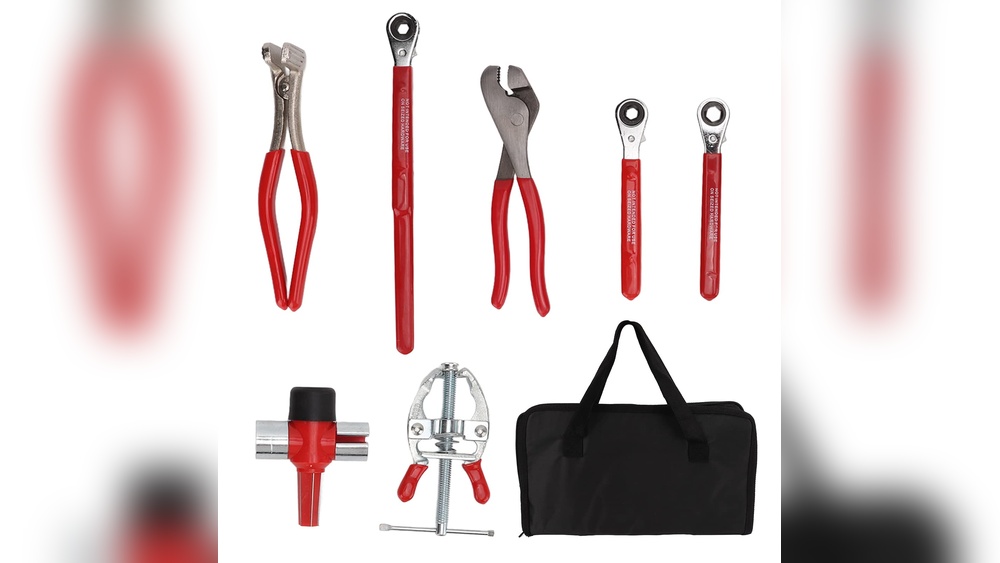
Types Of Battery Removal Tools
Removing a car battery requires the right tools for safety and ease. Different tools serve specific purposes during battery removal. Understanding these tools helps you handle the job confidently.
Wrenches And Socket Sets
Wrenches and socket sets are common tools for loosening battery terminals. They fit the nuts that hold the battery cables in place. Using the correct size prevents damage to nuts and cables. These tools provide good leverage to remove tight connections quickly.
Battery Terminal Pullers
Battery terminal pullers help remove stuck battery cables. They apply even force to lift cables off terminals without damage. These pullers reduce the risk of bending or breaking terminals. They are especially useful for older batteries with corroded connections.
Pliers And Wire Cutters
Pliers grip and twist small parts during battery removal. Wire cutters cut damaged or corroded wires safely. They allow quick repair or replacement of battery cables. Using the right pliers and cutters prevents injury and damage.
Battery Lifting Straps
Battery lifting straps make carrying heavy batteries easier. They wrap around the battery for a firm grip. Straps reduce strain on your hands and back. This tool helps move batteries safely without dropping them.
Credit: auto.howstuffworks.com
Key Features To Look For
Choosing the right tool to remove a car battery makes the task easier and safer. The right tool saves time and prevents damage to the battery or car parts. Focus on key features that ensure the tool works well and lasts long. These features help pick the best tool for your needs.
Durability And Material
Strong materials like steel or heavy-duty alloys last longer. They resist rust and wear from frequent use. A durable tool handles tough bolts without bending or breaking. Check if the tool has a solid build for long-term use.
Size And Compatibility
The tool must fit your car battery’s size and terminals. Some batteries need smaller or larger tools. Choose a tool that works with most battery types. A perfect fit makes battery removal smooth and fast.
Ease Of Use
A simple design helps remove the battery quickly. Tools with clear grips and easy handles reduce effort. Lightweight tools are easier to hold and control. Easy-to-use tools save time and avoid frustration.
Safety Features
Look for insulated handles to protect against electric shocks. Non-slip grips prevent accidents during use. Some tools have locking features to hold bolts firmly. Safety features reduce risks while working on the battery.
Step-by-step Removal Process
Removing a car battery needs care and the right tools. This step-by-step guide helps you remove the battery safely and easily. Follow these steps to avoid damage or injury.
Safety Precautions
Wear gloves and safety glasses before starting. Make sure the car is off and the keys are out. Avoid sparks or open flames near the battery. Work in a well-ventilated area to avoid harmful gases. Keep metal objects away from the battery terminals.
Disconnecting The Battery
Identify the negative terminal first, usually marked with a minus sign or black cover. Use a wrench or the right tool to loosen the nut on the negative cable. Remove the negative cable and secure it away from the battery. Repeat this process for the positive terminal, marked with a plus sign or red cover.
Removing Battery Clamps
Locate the clamps that hold the battery in place. Use a wrench or socket set to loosen the bolts or screws. Remove the clamps carefully without dropping them. Keep the clamps in a safe place for reinstallation.
Lifting And Handling The Battery
Car batteries are heavy; lift with your legs, not your back. Use both hands and keep the battery upright. Avoid tilting or shaking the battery to prevent acid spills. Place the battery on a sturdy surface away from children and pets.
Credit: auto.howstuffworks.com
Common Mistakes To Avoid
Removing a car battery seems simple but has common mistakes. These errors can cause damage or injury. Knowing what to avoid helps you work safely and efficiently. Here are some key mistakes to watch out for.
Ignoring Safety Gear
Not wearing gloves or goggles risks acid burns and eye injuries. Battery acid is dangerous. Always use protective gear before starting. Safety gear keeps you safe from sparks and harmful substances.
Using Incorrect Tools
Using the wrong tools can strip bolts or cause short circuits. A proper wrench or socket set fits battery terminals perfectly. Avoid pliers or adjustable tools that slip. Right tools make the job easier and safer.
Improper Battery Handling
Dropping or tipping the battery risks acid leaks and damage. Always lift the battery with both hands. Keep it upright and steady. Rough handling may shorten battery life or cause spills.
Forgetting To Disconnect Negative Terminal First
Disconnecting the positive terminal first can cause sparks or electrical shock. Always remove the negative (black) terminal before the positive (red). This order prevents short circuits. Follow this step to protect yourself and your vehicle.
Maintenance And Storage Of Tools
Proper maintenance and storage of tools help them last longer and work better. Taking care of tools used to remove car batteries is important. Clean and store them right to avoid damage and rust. Check tools often to keep them safe and ready.
Cleaning And Lubrication
Clean tools after each use to remove dirt and grease. Use a dry cloth or brush for cleaning. Apply light oil to metal parts to stop rust. Keep moving parts smooth with proper lubrication. This helps tools work well every time.
Proper Storage Tips
Store tools in a dry place away from moisture. Use toolboxes or racks to keep them organized. Avoid leaving tools in damp or dusty areas. Keep tools in their cases if available. Good storage protects tools and keeps them ready.
Regular Inspection
Check tools before and after use for damage or wear. Look for cracks, rust, or loose parts. Tighten any screws or bolts that are loose. Catching problems early prevents accidents and tool failure. Regular checks keep tools safe and effective.
Replacing Worn Out Tools
Replace tools that are broken or too worn to work well. Using bad tools can cause injury or damage your car. Buy new tools to keep your work safe and easy. Always use the right tool for the job to protect yourself.
Where To Buy Quality Tools
Finding the right tool to remove a car battery is important. A good quality tool ensures safety and makes the job easier. Knowing where to buy these tools helps you avoid low-quality products. Below are the best places to find reliable tools for battery removal.
Online Marketplaces
Online marketplaces offer a wide variety of tools. You can compare prices and read reviews from other buyers. These platforms often provide detailed product descriptions and photos. Shipping is fast, and many sellers offer return policies. Buying online saves time and gives access to many brands.
Automotive Stores
Automotive stores have tools designed for car maintenance. Staff can give advice on the best tool for your battery type. These stores usually stock trusted brands and quality products. You can see and hold the tool before buying. Immediate purchase means no waiting for delivery.
Specialty Tool Shops
Specialty shops focus on tools for mechanics and car repairs. They carry professional-grade tools that last longer. Experts work there and can help choose the right tool. These shops often provide warranties and after-sale support. Quality and precision are their main priorities.
Secondhand Options
Secondhand tools are cheaper and still usable. Check local markets, pawn shops, or online classified ads. Inspect tools carefully for damage or wear before buying. Some used tools come with manuals or cases. Good secondhand tools can save money without losing quality.
Frequently Asked Questions
What Tool Is Best To Remove A Car Battery?
The best tool to remove a car battery is a wrench or socket set. These tools loosen the battery terminal clamps easily and safely.
Can I Use Pliers To Remove A Car Battery?
Pliers can work but are not ideal. A wrench or socket set offers better grip and control.
How Do I Safely Remove A Car Battery?
First, turn off the car and wear gloves. Then, disconnect the negative terminal before the positive one to avoid sparks.
What Size Wrench Is Needed For Car Battery Removal?
A 10mm wrench or socket is commonly used for car battery terminal bolts in most vehicles.
Conclusion
Choosing the right tool to remove a car battery makes the job easier and safer. A basic wrench or a battery terminal puller works well for most cars. Always wear gloves and protect your eyes during the process. Disconnect the negative terminal first to avoid sparks.
Taking these simple steps saves time and avoids damage. With the right tool and care, removing a car battery is quick and safe. Remember, safety always comes first.
