

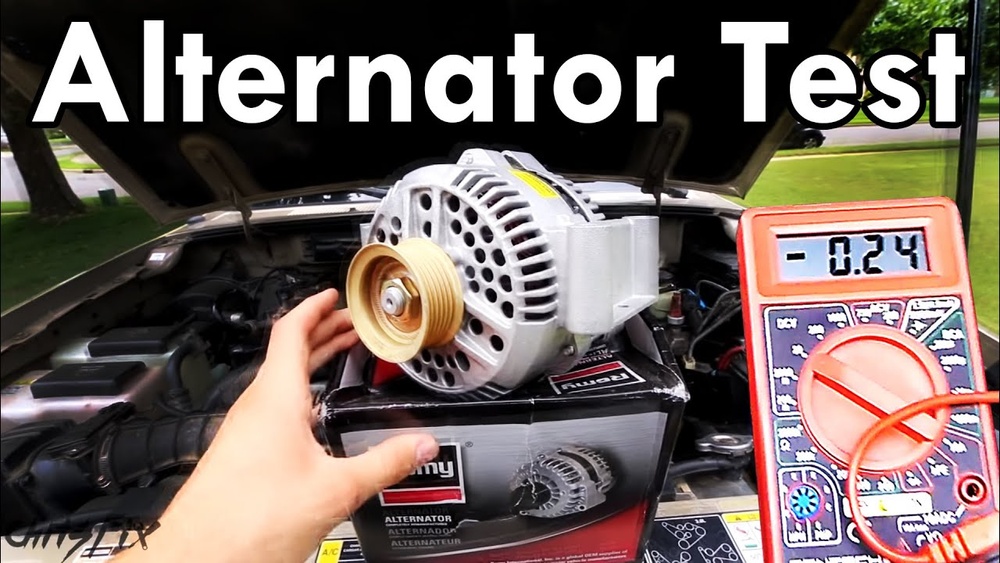
Is your car acting up, with dim lights or a dead battery? You might be dealing with a faulty alternator.
Knowing how to test your car alternator can save you time, money, and the hassle of unexpected breakdowns. You’ll discover simple, step-by-step ways to check if your alternator is working properly. By the end, you’ll feel confident about diagnosing this key part of your car’s electrical system.
Keep reading to learn how to protect your ride and avoid costly repairs.

Credit: www.todayifoundout.com
Car Alternator Basics
The car alternator is a key part of your vehicle’s electrical system. It keeps the battery charged and powers electrical parts while the engine runs. Understanding the basics helps you know how to test car alternator problems. This knowledge saves time and money on repairs.
The alternator works with the battery to keep your car running smoothly. If it fails, your car may stop or have electrical issues. Learning about the alternator’s role and common problems helps you spot issues early.
Role Of The Alternator
The alternator converts engine power into electricity. This electricity charges the battery and runs lights, radio, and other devices. It works while the engine is on. Without it, the battery drains quickly and the car stops.
The alternator uses a belt connected to the engine. When the engine moves, the belt spins the alternator. This action creates electrical energy. The alternator also controls voltage to protect the battery and electrical parts.
Common Alternator Problems
Alternators can have worn bearings or damaged belts. These cause noise or poor performance. Electrical issues like bad diodes or voltage regulators can also occur.
Signs of alternator problems include dim lights, dead battery, or warning lights on the dashboard. Sometimes the engine may stall or struggle to start. Testing the alternator helps find the exact problem before it worsens.
Credit: www.youtube.com
Signs Of A Failing Alternator
Knowing the signs of a failing alternator helps avoid car trouble. The alternator charges the battery and powers electrical parts. If it starts to fail, the car shows warning signs. Recognizing these signs early can save time and money. Below are common clues that your alternator needs attention.
Dim Or Flickering Lights
Headlights and dashboard lights dim or flicker when the alternator weakens. Brightness may change while driving or idling. This happens because the alternator cannot supply steady power. Dim lights at night are a clear warning to check the system.
Battery Warning Light
The battery warning light on the dashboard often turns on. This light signals a problem with the charging system. It does not always mean the battery is dead. A failing alternator can cause this warning to appear. Never ignore this light while driving.
Electrical Issues
Electrical parts may act strangely with a bad alternator. Power windows, radio, or air conditioning might stop working properly. The car may stall or have trouble starting. These issues occur because the alternator cannot keep the battery charged.
Tools Needed For Testing
Testing a car alternator needs a few simple tools. These tools help check if the alternator works well. Having the right tools makes the job easier and safer. Below are the main tools required for testing a car alternator.
Multimeter
A multimeter measures voltage, current, and resistance. It is the most useful tool for alternator testing. You can check battery voltage and alternator output with it. Choose a digital multimeter for easy and accurate readings. Set it to the correct voltage range before testing.
Voltmeter
A voltmeter measures electrical potential difference between two points. It helps verify the alternator’s charging power. Many multimeters have a voltmeter setting. Using a voltmeter alone is fine for simple voltage checks. It shows if the alternator charges the battery properly.
Basic Safety Gear
Safety gear protects you during testing. Wear safety glasses to guard your eyes from sparks. Use gloves to avoid electric shocks and burns. Make sure your car is in park with the engine off before testing. Keep tools and hands clear of moving parts.
Step-by-step Testing Process
Testing a car alternator is simple when done step-by-step. This process helps find if the alternator works well or needs fixing. Follow clear steps to check the alternator safely and correctly. This guide breaks down the test into easy parts anyone can do.
Prepare The Vehicle
Park the car on a flat surface. Turn off the engine and remove the keys. Open the hood and secure it. Wear safety glasses and gloves for protection. Make sure the car is cool before touching any parts.
Check Battery Voltage
Use a multimeter to check the battery voltage. Set the meter to DC volts. Connect the red lead to the battery’s positive terminal. Connect the black lead to the negative terminal. A good battery shows about 12.6 volts when off.
Test Alternator Output
Start the car and keep it running. Measure voltage at the battery again. The reading should be between 13.8 and 14.8 volts. Lower or higher values show a problem. Turn on headlights and check voltage again. It should stay steady without dropping.
Inspect Alternator Belt
Look at the belt that drives the alternator. Check for cracks, frays, or wear. Press the belt to test tension. It should be firm but not too tight. Replace the belt if it looks damaged or loose.
Interpreting Test Results
After testing your car alternator, understanding the results is crucial. The readings tell you if the alternator works well or needs attention. Knowing what the numbers mean helps in making the right decision about your car’s electrical system.
Normal Voltage Range
The typical voltage output of a good alternator is between 13.8 and 14.4 volts. This range keeps your battery charged while running the car. Readings within this range mean the alternator is working properly. A steady voltage here shows the alternator supplies enough power.
Low Or High Voltage Indications
Voltage below 13.8 volts suggests the alternator may not charge the battery fully. This can cause the battery to drain quickly. Voltage above 14.4 volts might mean the alternator is overcharging. Overcharging can damage the battery and electrical parts. Either low or high readings need further checks.
When To Replace The Alternator
Replace the alternator if voltage stays outside the normal range. Frequent low or high readings indicate a failing alternator. Other signs include dim lights or warning lights on the dashboard. A failing alternator can leave you stranded. Timely replacement keeps the car running smoothly.
Credit: www.howacarworks.com
Additional Tips For Maintenance
Maintaining your car alternator is key for a smooth drive. Small steps can keep it working well. This section shares simple tips to help you care for the alternator.
Regular Inspections
Check the alternator often for any signs of wear. Look for loose wires or strange noises. Catch problems early to avoid costly repairs. Use a flashlight to see clearly inside the engine bay. Make it a habit before or after long trips. Regular checks keep your car’s power steady.
Avoiding Common Mistakes
Do not ignore warning lights on the dashboard. Avoid using a damaged battery with the alternator. Never skip belt checks; a worn belt affects the alternator’s work. Do not try to fix complex issues without help. Simple care and attention prevent most failures. Mistakes often cause more damage than the original problem.
Frequently Asked Questions
How Do You Test A Car Alternator With A Multimeter?
To test a car alternator, set the multimeter to DC voltage. Start the engine and measure voltage at the battery terminals. A healthy alternator typically shows 13. 8 to 14. 4 volts, indicating it is charging the battery properly.
What Are Common Symptoms Of A Failing Alternator?
Common signs include dim headlights, battery warning light, electrical issues, and frequent stalling. A failing alternator cannot charge the battery, causing these problems. Early detection helps prevent breakdowns and costly repairs.
Can You Test A Car Alternator Without A Mechanic?
Yes, you can test it yourself using a multimeter or basic tools. Check battery voltage with the engine off and running. If readings are low or fluctuate, the alternator may be faulty and need professional evaluation.
How Long Does It Take To Test An Alternator?
Testing an alternator usually takes about 10 to 15 minutes. It involves checking voltage output and inspecting belt condition. Quick tests help identify problems before they worsen and ensure vehicle reliability.
Conclusion
Testing your car alternator helps keep your vehicle running well. A simple test can show if the alternator charges the battery. Use a multimeter or visit a mechanic for a quick check. Catching alternator issues early saves time and money.
Keep your car’s electrical system healthy by testing regularly. Now you know how to test a car alternator yourself. Stay safe and maintain your vehicle with these easy steps.
