

Have you ever wondered how to drive an automatic car but felt unsure where to start? Learning to drive an automatic is easier than you think, and once you get the hang of it, you’ll enjoy a smoother, more relaxed ride.
This guide will walk you through every step, from the basics to confident driving. By the time you finish reading, you’ll know exactly what to do behind the wheel. Ready to take control and make driving simple? Let’s dive in.

Credit: www.youtube.com
Basics Of Automatic Cars
Automatic cars are popular for their ease of use. They do not require manual gear changes. This makes driving less stressful, especially in traffic. Understanding the basics helps new drivers feel confident behind the wheel.
Automatic cars use a special system to change gears smoothly. This system works without needing the driver to press a clutch pedal. Knowing how this system works and the main controls helps you drive safely.
How Automatic Transmission Works
The automatic transmission changes gears by itself. It uses a complex set of parts like gears, clutches, and fluid. The system senses the car’s speed and engine load. Then, it shifts to the best gear for smooth driving. This process saves the driver from shifting gears manually.
Inside the transmission, a torque converter replaces the clutch. It transfers power from the engine to the wheels. The transmission fluid helps cool and lubricate the parts. This keeps the system working well and prevents damage.
Key Controls To Know
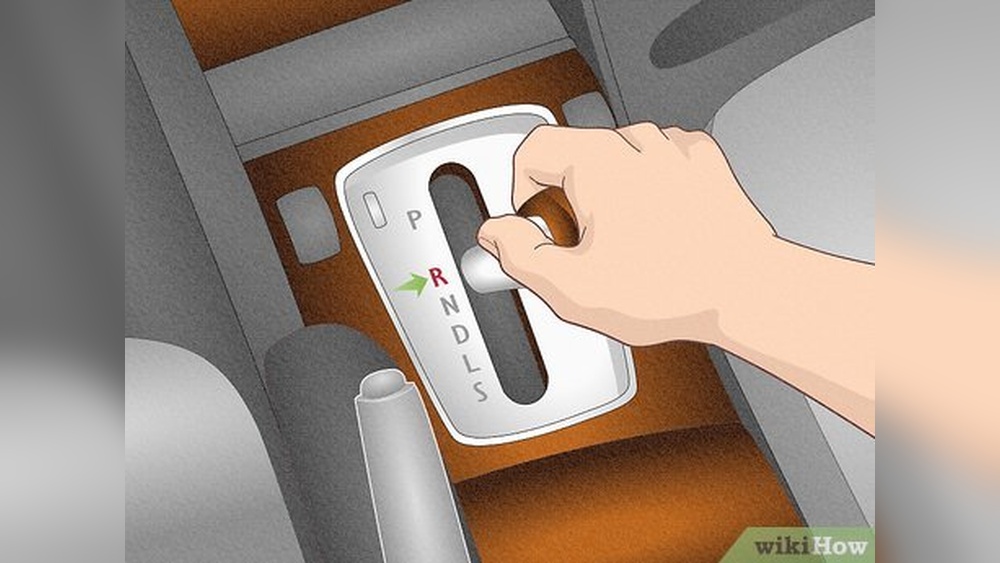
Automatic cars have fewer controls than manual ones. The main control is the gear selector, which usually has letters like P, R, N, and D. “P” stands for park, used when the car is stopped. “R” means reverse for backing up. “N” is neutral, which disconnects the engine from the wheels. “D” is drive, used for moving forward.
The car also has an accelerator and brake pedal. The accelerator controls speed, and the brake stops the car. There is no clutch pedal in automatic cars, making it simpler to operate. Learning these controls helps new drivers feel safe and ready to drive.
Credit: www.youtube.com
Preparing To Drive
Preparing to drive an automatic car is simple but important. It helps keep you safe and comfortable on the road. Taking a few moments before you start driving makes a big difference. You will feel more in control and ready to handle the car.
Adjusting Seat And Mirrors
First, sit in the driver’s seat and adjust it. Move the seat forward or backward so your feet reach the pedals easily. Make sure your back is straight and you can reach the steering wheel comfortably.
Next, adjust the mirrors. Check the rearview mirror to see clearly behind you. Change the side mirrors to cover blind spots. Proper mirror adjustment helps you see other cars better.
Understanding Pedals
Automatic cars have two pedals: the brake and the accelerator. The brake pedal is on the left, and the accelerator is on the right. Press the brake with your right foot to stop or slow down. Use the same foot on the accelerator to move faster.
Never use your left foot on the pedals. This can cause confusion and be dangerous. Practice pressing the pedals gently before you start driving.
Starting The Engine
To start the car, put the key in the ignition or press the start button. Make sure your foot is on the brake pedal. The car will not start without pressing the brake.
Once the engine starts, check the dashboard for warning lights. Wait until the lights turn off before driving. This ensures the car is ready and safe to use.
Driving Steps
Driving an automatic car feels different from a manual one. The steps are simple and easy to follow. Understanding these steps helps build confidence on the road.
Start by knowing how to control the car smoothly. Small actions make a big difference in your driving experience.
Shifting Gears Smoothly
Automatic cars have a gear selector with options like P, R, N, and D. Always press the brake before shifting gears. Move the gear lever gently to avoid sudden jerks. Use ‘P’ when parking and ‘R’ to reverse. ‘D’ is for driving forward. Never shift from ‘D’ to ‘R’ or ‘P’ while moving.
Accelerating And Braking
Press the gas pedal lightly to start moving. Avoid pushing it too hard; the car will speed up fast. For slowing down, press the brake pedal smoothly. Sudden braking can cause discomfort and risk accidents. Maintain a steady speed to stay safe and save fuel.
Turning And Steering Tips
Look ahead before turning to choose the right path. Turn the steering wheel steadily without sharp movements. Slow down before making turns to keep control. Use your signals to tell others your direction. Keep both hands on the wheel for better control.
Parking And Stopping
Parking and stopping are key skills when driving an automatic car. You must know how to park safely and stop smoothly. These skills help protect your vehicle and keep others safe. Understanding the right steps makes driving easier and less stressful.
Using The Parking Brake
The parking brake holds the car still when parked. Always use it, even on flat ground. It stops the car from rolling. To use it, pull the lever up or press the pedal. Release it before driving again. This brake is extra safety for your car.
Parking Techniques
Park in a safe, legal spot. Signal before you park to warn others. Slow down and stop close to the curb. Turn the wheels toward the curb on a hill. Put the car in park and apply the parking brake. Check your mirrors before opening the door.
Stopping Safely
To stop, release the gas and press the brake gently. Avoid sudden stops. Keep enough space behind you. Use the brake lights to warn cars behind. When stopped, keep your foot on the brake until ready to move. This keeps you and others safe.
Common Mistakes To Avoid
Driving an automatic car seems simple but has common mistakes to avoid. These errors can cause damage or unsafe situations. Knowing what to watch out for improves your driving experience and safety. Below are frequent mistakes many new drivers make with automatic cars.
Misusing The Gears
Many drivers shift gears incorrectly. Do not switch from drive to reverse without stopping fully. Doing so harms the transmission. Use the parking gear only when the car is fully stopped. Avoid shifting gears while the car moves fast. This keeps the car safe and working well.
Overusing The Brake
Pressing the brake too much wears it out quickly. Automatic cars slow down naturally when you lift your foot from the gas. Use the brake only to stop or slow sharply. Avoid riding the brake on hills or in traffic. This saves the brake pads and helps control the car better.
Ignoring Safety Checks
Skipping safety checks risks accidents and car damage. Always check mirrors and blind spots before moving. Fasten your seatbelt and adjust your seat properly. Make sure the parking brake is off before driving. These simple checks keep you safe and ready to drive.
Tips For Confident Driving
Driving an automatic car can feel easy, but gaining confidence takes time. Confidence helps you stay safe and enjoy the ride. It grows with practice, calmness, and quick reactions. These tips will guide you to drive with more assurance and control.
Practicing In Safe Areas
Start driving in empty parking lots or quiet streets. These places let you learn without pressure. You can try starting, stopping, and turning safely. Practice using the brake and accelerator smoothly. Repeating these actions builds muscle memory and trust in your skills.
Staying Calm Behind The Wheel
Keep your hands steady and your mind clear. Take deep breaths before you start driving. If you feel nervous, stop and relax for a moment. Calmness helps you focus on the road and avoid mistakes. It also makes driving less stressful and more enjoyable.
Improving Reaction Time
Pay close attention to your surroundings. Watch other cars, pedestrians, and traffic signals. Practice quick but safe responses to sudden events. The faster you react, the safer you will be. Good reaction time comes with experience and alertness.
Credit: www.clickmechanic.com
Frequently Asked Questions
What Is An Automatic Car Transmission?
An automatic car transmission shifts gears without driver input. It uses a torque converter and sensors to change gears smoothly. This system simplifies driving by eliminating the need for manual clutch control and gear shifting.
How Do You Start Driving An Automatic Car?
To start driving, press the brake pedal and shift to “Drive. ” Release the parking brake and gently press the accelerator. The car will move forward without needing to change gears manually.
Can I Drive An Automatic Car On Hills?
Yes, automatic cars handle hills well. Use “Drive” for gentle slopes and “Low” gear for steep inclines or declines. This helps maintain control and prevents brake wear.
What Are The Benefits Of Driving An Automatic Car?
Automatic cars are easier to drive, especially in traffic. They reduce driver fatigue and allow more focus on the road. They also offer smoother gear shifts and better convenience for beginners.
Conclusion
Driving an automatic car is simple and stress-free. You only need to know how to use the gear shift, brake, and accelerator. Practice helps you gain confidence and control. Always pay attention to the road and follow traffic rules. With time, driving will feel natural and safe.
Enjoy the smooth ride and focus on learning step by step. Automatic cars make driving easier for beginners and experienced drivers alike. Keep practicing, stay calm, and drive carefully every day.
