

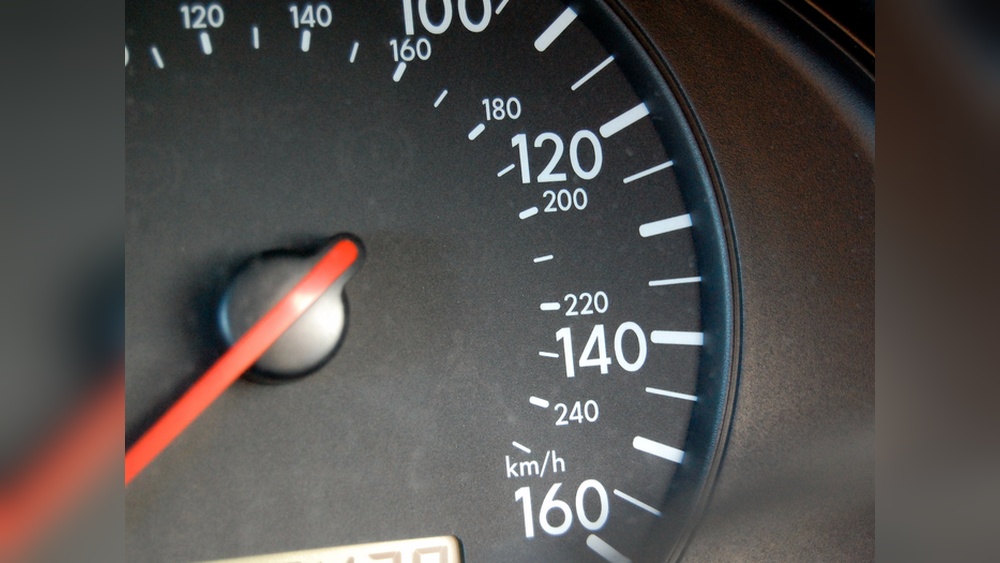
Have you ever wondered just how fast cars can really go? Whether you’re a speed enthusiast or just curious, understanding the limits of car speed can surprise you.
You might think it’s all about raw power, but there’s so much more behind those numbers on the speedometer. You’ll discover the factors that determine how fast cars can travel, and learn about some of the fastest cars on the planet.
Get ready to see speed in a whole new way. Keep reading—you won’t want to miss this!

Credit: www.picknbuy24.com
Car Speed Basics
Understanding how fast cars can go starts with knowing the basics of car speed. Speed is not just about the number on a speedometer. It depends on many parts of the car and the road. Learning these basics helps us see why some cars are faster than others.
Car speed is measured in different ways. Each type tells us something different about how the car performs. Knowing these types helps us understand car speed better and compare cars fairly.
Factors Affecting Speed
Engine power plays a big role in how fast a car can go. Bigger engines usually mean more speed. The car’s weight also matters. Heavier cars move slower because they need more force to speed up.
Tires affect speed too. Good tires grip the road better and help cars go faster safely. The shape of the car, called aerodynamics, helps reduce air resistance. Cars with smooth shapes face less drag and can reach higher speeds.
Road conditions and weather also change speed. Wet or rough roads slow cars down. Wind direction and strength can help or hurt speed as well.
Types Of Speeds Measured
Top speed is the highest speed a car can reach. This is often tested on special tracks or straight roads. Acceleration speed shows how fast a car can go from zero to a set speed, like zero to 60 miles per hour. It measures how quickly the car gains speed.
Average speed is how fast a car moves over a longer trip. It includes stops and slowdowns. Cruise speed is the steady speed a car keeps on highways. It is important for comfort and fuel efficiency.
Speed Limits On Roads
Speed limits are rules set to keep drivers safe on the road. They tell drivers the maximum speed allowed in different areas. These limits vary based on where you drive and the type of road. Knowing these limits helps prevent accidents and fines.
Urban Vs Rural Limits
Urban areas have lower speed limits due to traffic and pedestrians. Limits often range from 20 to 40 mph. Drivers must stay alert for crossings and traffic signals. Rural roads usually have higher limits, around 50 to 60 mph. These roads have fewer people and less traffic but can be narrow or winding.
Highway Speed Regulations
Highways have higher speed limits to allow fast travel. Limits often range from 55 to 75 mph. Some highways have variable speed limits based on traffic or weather. Drivers must adjust speed to road conditions. Exceeding limits on highways can cause serious crashes.
Global Speed Limit Variations
Speed limits vary widely around the world. Some countries have strict limits, others are more relaxed. For example, Germany has sections with no speed limit on autobahns. Many countries set limits between 50 and 80 mph on highways. Local laws and road safety shape these rules.
Fastest Production Cars
The fastest production cars push the limits of speed and engineering. These cars are made for drivers who want extreme performance on public roads. Each model combines power, design, and advanced technology to reach incredible top speeds.
These vehicles are not just about speed. They showcase how car makers innovate and improve performance every year. The race for the fastest car is always exciting and full of new records.
Top Speed Records
Top speed records show which cars are the fastest on the market. Some cars have reached speeds over 300 miles per hour. These records are carefully tested on special tracks or closed roads. The Bugatti Chiron Super Sport and SSC Tuatara are among the fastest.
Each record is a milestone. It proves how far car makers can go with design and power. Speed records create a benchmark for future cars to beat.
Technological Innovations
Fast cars use new technology to improve speed and safety. Lightweight materials like carbon fiber reduce weight and increase speed. Aerodynamics help cars cut through the air smoothly.
Advanced engines and hybrid systems give more power without losing control. Electronics improve traction and stability at high speeds. Technology plays a big role in making fast cars reliable and safe.
Performance Enhancements
Performance enhancements focus on making cars faster and more agile. Turbochargers and superchargers boost engine power. Suspension systems are tuned for better handling on sharp turns.
Brakes are upgraded to stop cars quickly from high speeds. Tires are specially made to grip the road firmly. Every part of the car is improved to deliver top performance.
Racing Car Speeds
Racing cars are built for speed. They reach amazing speeds on tracks and open roads. These cars push the limits of engineering and design.
Speed depends on many factors like engine power, weight, and aerodynamics. Racing cars show what is possible when technology meets skill.
Formula One Records
Formula One cars are among the fastest on race tracks. They can reach speeds over 230 miles per hour. Drivers control these cars on tight corners and long straights.
The highest speed recorded in a Formula One race is about 231 mph. This shows the power of modern engines and advanced designs. Speed is crucial but control is just as important.
Land Speed Records
Land speed records measure the fastest cars on flat surfaces. These cars are built to break speed limits on special tracks. Some cars exceed 700 miles per hour.
The current land speed record stands at over 763 mph. These vehicles use jet or rocket engines, not normal car engines. Their goal is pure speed, not racing on curves.
Impact Of Aerodynamics
Aerodynamics help cars cut through air smoothly. It reduces drag, which slows down cars. Racing cars use wings and shapes to improve aerodynamics.
Better aerodynamics increase speed and stability. It also helps cars stay on the track during fast turns. Engineers spend a lot of time testing car shapes for this reason.
Electric Cars And Speed
Electric cars have changed the way we think about speed. They use electric motors, not gas engines. This gives them unique power and quick response. Many electric cars can accelerate faster than traditional cars. Their top speeds continue to improve as technology advances.
These vehicles offer smooth and quiet rides. They reach high speeds while using less energy. Understanding how electric cars perform helps us appreciate their design and engineering.
Acceleration Vs Top Speed
Electric cars often excel in acceleration. They can go from zero to sixty miles per hour very quickly. This is because electric motors deliver power instantly. Top speed is different. It shows how fast a car can go on a long road. Most electric cars have lower top speeds than some sports cars. But their quick starts make them exciting to drive.
Notable Electric Speed Records
Some electric cars have set impressive speed records. For example, the Rimac Nevera reached 258 miles per hour. Another example is the Tesla Model S Plaid, known for quick acceleration and high speed. These records show electric cars can compete with fast gas cars. The race for speed continues as technology improves.
Credit: www.eurorc.com
Safety And Speed
Speed thrills many drivers, but safety must always come first. Fast cars can reach incredible speeds, but these speeds bring serious dangers. Understanding the balance between speed and safety helps everyone stay protected on the road.
Risks Of High Speeds
High speeds reduce the time to react to road hazards. Crashes at high speeds often cause severe injuries or death. Stopping distances increase greatly as speed rises. Control becomes harder, especially on wet or curved roads. Speeding also increases fuel consumption and wear on car parts. Police enforce speed limits to keep roads safer for all.
Safety Features In Fast Cars
Fast cars include special safety features to protect drivers. Strong frames and roll cages help during crashes. Advanced brakes improve stopping power in emergencies. Traction control and stability systems prevent skidding. Airbags and seat belts cushion impacts and save lives. Many fast cars also use tires made for high speeds. These features work together to reduce crash risks.
Future Of Car Speeds
The future of car speeds holds exciting possibilities. Cars are becoming faster and smarter. New ideas and technology push the limits of speed. Safety and efficiency remain important as speeds rise.
Advances in engineering and design help cars go faster. At the same time, rules and road safety shape how fast cars can actually travel. The balance between speed and safety will define the future.
Emerging Technologies
Electric motors offer quick acceleration and high top speeds. Battery improvements let electric cars run longer and faster. Autonomous driving technology helps maintain safe speeds. Cars with smart sensors adjust speed to road conditions. Lightweight materials reduce car weight, boosting speed and efficiency.
Potential Speed Limits
Governments may set new speed limits for safety. Some roads might allow higher speeds with better monitoring. Speed limits could change based on weather or traffic. Strict limits protect drivers and pedestrians. Technology might help enforce limits more fairly.
Credit: www.youtube.com
Frequently Asked Questions
How Fast Can The Fastest Cars Go?
The fastest cars can reach speeds over 300 mph. These include hypercars like Bugatti Chiron and SSC Tuatara. Such speeds are achieved through advanced engineering and powerful engines.
What Affects A Car’s Top Speed?
A car’s top speed depends on engine power, aerodynamics, and weight. Tire quality and road conditions also play a role. Efficient design helps maximize speed while maintaining safety.
Are Electric Cars As Fast As Gasoline Cars?
Electric cars can match or exceed gasoline cars in acceleration. However, their top speeds are often limited by battery and motor design. High-performance electric models like Tesla Roadster challenge traditional speed records.
How Do Car Manufacturers Test Top Speed?
Manufacturers test top speed on closed tracks or specialized facilities. They use GPS and speed sensors for accuracy. Testing ensures performance meets design and safety standards.
Conclusion
Cars can reach different speeds based on their design and purpose. Some cars are built for speed, while others focus on safety and comfort. Speed limits and road rules keep everyone safe on the road. Knowing how fast cars can go helps us understand driving better.
Always drive within limits to protect yourself and others. Speed is exciting but must be handled with care. Cars show us the balance between power and control.
