

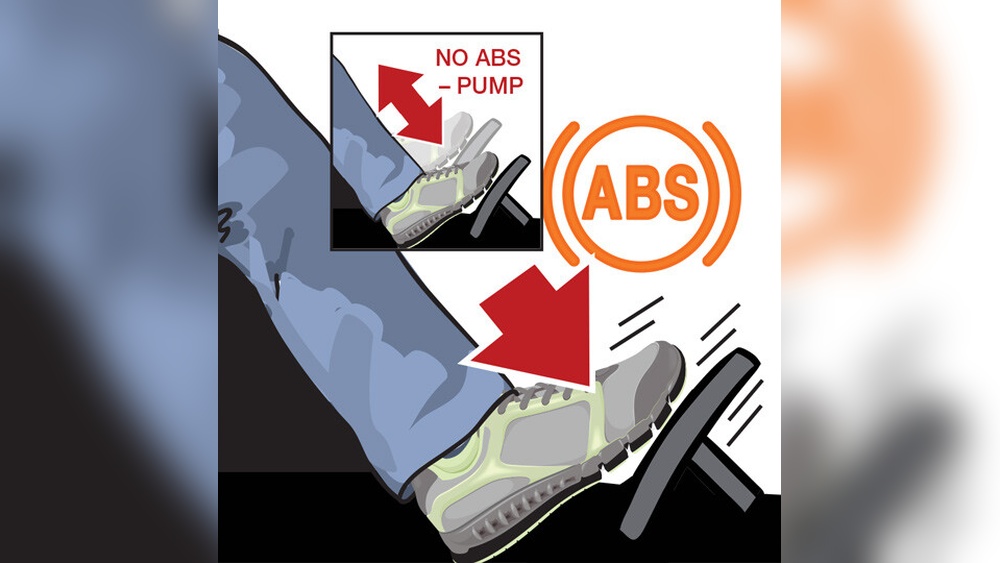
Have you ever wondered how your car stops safely, even on slippery roads? The Anti Brake System, or ABS, plays a crucial role in keeping you in control during sudden stops.
Understanding how this system works can make you a smarter, safer driver. In this full guide, you’ll discover everything you need to know about ABS—how it protects you, how it functions, and why it’s essential for your vehicle. Keep reading to unlock the secrets behind this life-saving technology and take charge of your driving safety today.

Credit: safefly.aero
Basics Of Anti Brake System
The Anti Brake System is an important safety feature in vehicles. It helps drivers keep control during sudden braking. Understanding its basics helps you know how it keeps you safe on the road.
This system works by preventing the wheels from locking up. Locked wheels can cause the car to skid and lose control. The Anti Brake System helps maintain traction and steering ability.
Purpose And Function
The main purpose of the Anti Brake System is to stop wheel lock-up. It activates during hard braking or slippery road conditions. This keeps the car stable and easier to control.
The system monitors wheel speed and adjusts brake pressure. It reduces pressure if a wheel starts to lock. This process happens many times per second.
By doing this, the system helps the driver steer while braking. It lowers the risk of accidents caused by skidding.
Key Components
The Anti Brake System has several important parts. The wheel speed sensors detect how fast each wheel turns. They send this data to the control unit.
The control unit processes information and decides when to act. It controls the hydraulic modulator, which changes brake pressure.
Brake actuators receive commands to increase or decrease pressure. This helps prevent wheels from locking and keeps the vehicle stable.
How Anti Brake System Works
The Anti Brake System (ABS) helps prevent wheels from locking during braking. This keeps the vehicle stable and allows the driver to steer safely. Understanding how ABS works can help drivers trust this safety feature more. The system uses sensors and a control unit to monitor wheel speed. It then adjusts brake pressure to maintain traction and control.
Sensors And Control Unit
Each wheel has a sensor to measure its speed. These sensors send data to the control unit constantly. The control unit processes this information to detect any wheel locking. If a wheel slows down too quickly, the unit knows it is about to lock. It then sends signals to adjust the brake pressure for that wheel.
Brake Modulation Process
The control unit controls a hydraulic valve to change brake pressure. It reduces pressure if a wheel is about to lock. Then it increases pressure again to maintain braking force. This happens many times per second to keep wheels rolling. This modulation stops skidding and helps maintain vehicle control.
Types Of Anti Brake Systems
Anti-lock Brake Systems (ABS) come in different types. Each type offers unique features to improve vehicle safety. Understanding these types helps you know how ABS works in various vehicles.
The types mainly divide into standard ABS and advanced variants. Both aim to stop wheel lock-up but use different methods and technology.
Standard Abs
Standard ABS is the most common type found in many cars. It uses sensors to detect wheel speed during braking. If a wheel is about to lock, the system reduces brake pressure. This action helps maintain steering control and prevents skidding. Standard ABS works well on most road surfaces and in normal driving conditions.
Advanced Variants
Advanced ABS types include more complex systems. They combine ABS with other technologies like traction control and electronic stability control. These variants adjust braking on individual wheels more precisely. Some use sensors to monitor vehicle stability and road conditions continuously. Advanced ABS improves handling on slippery or rough roads. It also enhances safety during sudden turns or emergency stops.
Benefits Of Anti Brake System
The Anti Brake System (ABS) offers many benefits that improve driving safety. It helps drivers maintain control of their vehicle during sudden stops. ABS also reduces the chance of accidents by improving braking performance. This system works well in different road conditions, making driving safer for everyone.
Improved Vehicle Control
ABS stops the wheels from locking during hard braking. This keeps the tires gripping the road. Drivers can steer the vehicle even while braking hard. It reduces skidding and loss of control. ABS helps maintain stability and direction on slippery roads.
Reduced Stopping Distance
ABS helps shorten the distance needed to stop. It applies the brakes in a controlled way. This prevents the wheels from skidding and sliding. The vehicle slows down faster and safer. Shorter stopping distance means fewer chances of crashes.
Enhanced Safety In Adverse Conditions
ABS works well on wet, icy, or uneven roads. It adjusts braking force to match road conditions. This stops the vehicle from sliding out of control. Drivers feel more confident in rain or snow. ABS lowers the risk of accidents in bad weather.
Common Myths And Facts
Anti-lock Braking System (ABS) is often misunderstood. Many myths surround its function and benefits. Clearing these up helps drivers use ABS confidently. Here are common myths and facts about ABS.
Abs And Braking Distance
Some say ABS always shortens braking distance. This is not always true. ABS helps maintain control, not always reduce stopping space. On dry roads, ABS may stop slightly farther than locked brakes. It prevents wheels from locking and skidding, keeping steering active. On slippery surfaces, ABS can reduce braking distance by avoiding slides.
Abs On Different Road Surfaces
ABS works differently on various surfaces. On wet or icy roads, ABS helps prevent skids. It pulses brakes to keep tires gripping the road. On gravel or dirt, ABS may increase stopping distance slightly. Still, it keeps the vehicle stable and steerable. The system adapts to road conditions to improve safety.
Credit: beachtruckrvcenter.com
Maintenance And Troubleshooting
Maintaining the Anti-lock Brake System (ABS) is important for safe driving. Proper care helps the system work well and avoid accidents. Troubleshooting ABS problems early can save money and prevent bigger issues. Understanding the signs and regular checks keeps the system reliable.
Warning Signs Of Abs Issues
ABS warning light on the dashboard is a clear sign of trouble. It may blink or stay on. Brakes may feel strange, like pulsing or vibrating. The car might skid more on slippery roads. Strange noises during braking can also mean ABS problems. Watch for these signs to act quickly.
Regular Checkups And Repairs
Regular inspection of ABS sensors and wiring is key. Clean sensors prevent false signals and errors. Mechanics should check the ABS control module and brake fluid level. Brake pads and discs must be in good condition. Fix any faults as soon as possible. Regular service keeps your ABS working well and safe.
Future Of Anti Brake Systems
The future of anti-brake systems looks promising and full of potential. These systems will play a key role in making vehicles safer and smarter. They will work closely with new car technologies to prevent accidents and improve driving experience.
Advances in sensors, software, and vehicle design will enhance how these systems operate. This progress will help cars react faster and more accurately in emergencies. The result will be fewer crashes and safer roads for everyone.
Integration With Autonomous Vehicles
Anti-brake systems will be vital for self-driving cars. These vehicles rely on sensors and computers to control speed and stops. The anti-brake system will help manage braking smoothly and safely.
It will work with other safety features to avoid collisions. The system will learn from real-time data to make better decisions. This integration will boost trust in autonomous technology.
Technological Innovations
New technology will improve anti-brake system performance. Sensors will become more precise and faster. Software will use artificial intelligence to predict dangers earlier.
Systems will also adapt to different road and weather conditions. This flexibility will increase safety on wet, icy, or uneven roads. Future designs will focus on reducing brake wear and energy use too.
Credit: www.arabwheels.ae
Frequently Asked Questions
What Is An Anti Brake System In Cars?
An Anti Brake System, or ABS, prevents wheel lock during sudden braking. It helps maintain vehicle control and reduces stopping distance on slippery roads.
How Does The Anti Brake System Improve Safety?
ABS improves safety by preventing skidding and loss of steering control during emergency stops. It enhances stability, reducing accident risks significantly.
When Was The Anti Brake System Invented?
The Anti Brake System was invented in the late 1970s. It became widely available in vehicles during the 1980s and is now standard in many cars.
What Components Make Up An Anti Brake System?
ABS consists of wheel speed sensors, a hydraulic control unit, and an electronic control module. These parts work together to modulate brake pressure effectively.
Conclusion
Anti Brake System helps keep vehicles safe on the road. It stops wheels from locking during sudden braking. This keeps drivers in control and avoids accidents. Knowing how ABS works can improve driving skills. Always maintain your brakes for the system to work well.
Understanding ABS is important for every driver’s safety. Stay informed, drive carefully, and trust your vehicle’s safety features. Safety first, always.
