

Have you ever wondered how your car helps you stop safely, even on slippery roads? The Anti Brake System is a key part of your vehicle’s safety features that you might not fully understand yet.
Knowing what this system does can help you feel more confident behind the wheel and keep you and your loved ones safer. Keep reading to discover how the Anti Brake System works and why it’s essential for your car’s braking performance.

Credit: www.motor-works.com
Anti Brake System Basics
The Anti Brake System (ABS) is a safety feature in cars. It helps drivers keep control while braking hard. Understanding the basics of ABS can make you a safer driver. This system plays a key role in avoiding accidents on slippery or wet roads.
Purpose And Importance
ABS prevents wheels from locking during sudden stops. Locked wheels cause the car to skid and lose control. This system helps maintain steering ability while braking. It reduces the risk of accidents in emergencies. ABS is especially useful on wet or icy roads. Many countries require ABS in new vehicles for safety.
How It Works
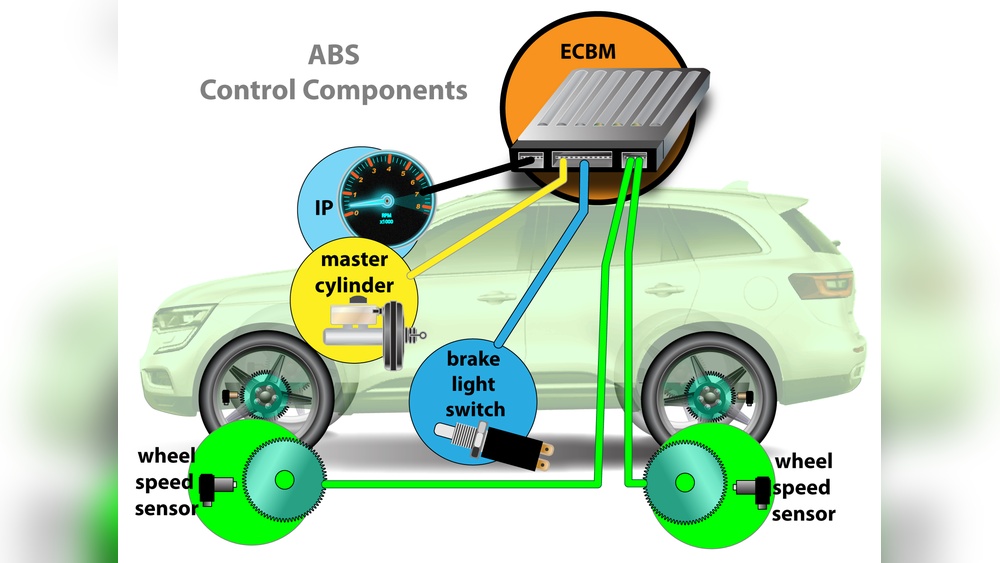
ABS uses sensors to monitor wheel speed. If a wheel starts to lock, the system activates. It quickly reduces brake pressure on that wheel. Then, it restores pressure to maintain grip. This process happens many times per second. The driver feels a pulsing in the brake pedal. This signals ABS is working to prevent skidding.
Types Of Anti Brake Systems
Anti Brake Systems help cars stop safely and avoid accidents. These systems use sensors and computers to control the brakes. Different types of anti brake systems improve safety in various ways. Each type has a special function and works in unique situations.
Abs Vs. Ebd
ABS stands for Anti-lock Braking System. It stops the wheels from locking during hard braking. This helps the driver keep control of the car. ABS works by quickly pulsing the brakes to prevent skidding.
EBD means Electronic Brakeforce Distribution. It controls how much brake force goes to each wheel. EBD adjusts the force based on the load and road conditions. It helps keep the car stable and balanced while stopping.
Both ABS and EBD work together. ABS prevents skidding, and EBD balances braking power. This combination improves safety and control during sudden stops.
Other Related Technologies
Many cars have extra systems that work with ABS and EBD. Brake Assist helps by adding more brake power in emergencies. It senses quick brake pedal pushes and responds fast.
Electronic Stability Control (ESC) helps keep the car from sliding sideways. It uses brakes on individual wheels to keep the car on track.
Traction Control System (TCS) stops wheels from spinning on slippery roads. It adjusts engine power and applies brakes to improve grip.
These technologies work together to keep driving safe and smooth. They help drivers avoid crashes and maintain control in tough situations.
Components Of Anti Brake Systems
The Anti Brake System (ABS) in cars has several key parts. These parts work together to stop the car safely. Knowing these parts helps understand how ABS keeps control during hard braking.
Each part has a special job. They send signals, adjust pressure, and make sure the wheels do not lock. This helps the driver keep control and avoid accidents.
Sensors And Control Units
Sensors track the speed of each wheel. They send this data to the control unit. The control unit is like the brain of the ABS. It checks if any wheel is about to stop turning. If it sees a wheel locking, it tells the system to act.
The control unit processes information quickly. It decides how much brake pressure to reduce. This helps keep the wheels rolling and the car stable.
Hydraulic Modulators
Hydraulic modulators adjust the brake fluid pressure. They receive commands from the control unit. When a wheel starts to lock, they reduce the pressure to that wheel. This stops the wheel from locking up.
Once the wheel is rolling again, the modulators increase the pressure. This cycle can happen many times per second. It helps the car stop safely without skidding.
Benefits Of Anti Brake Systems
Anti Brake Systems bring many benefits for drivers and passengers. These systems help make driving safer and more comfortable. They work by stopping the wheels from locking during braking. This control helps drivers keep better control of their cars.
Anti Brake Systems also help reduce the time and distance needed to stop a car. This can prevent accidents and protect everyone on the road. Understanding these benefits shows why many cars now come with this technology.
Improved Vehicle Control
Anti Brake Systems help maintain control of the vehicle during hard braking. They stop the wheels from locking and skidding. This allows the driver to steer while braking. Better steering control helps avoid obstacles and stay on the road. This feature is very useful on slippery or wet surfaces.
Reduced Stopping Distance
These systems help shorten the distance needed to stop a vehicle. By preventing wheel lock, tires keep better grip on the road. This grip allows the car to slow down faster and safer. Shorter stopping distances reduce the risk of collisions. This benefit is crucial in emergency braking situations.
Common Myths And Misconceptions
Many people have wrong ideas about the Anti Brake System (ABS). These myths cause confusion about how ABS works and its benefits. Clearing up these myths helps drivers understand safety better.
Abs And Skidding
Some believe ABS stops skidding completely. ABS helps prevent wheels from locking during hard braking. It keeps the car steady and allows steering control. ABS does not make skidding impossible but reduces its chances.
Others think ABS can shorten stopping distance on all surfaces. ABS works best on wet or slippery roads. On gravel or snow, ABS may not reduce stopping distance as much. It helps keep control, not always shorter stops.
Abs And Brake Maintenance
A common myth says ABS requires special brake care. ABS uses the same brake parts as normal brakes. Regular brake checks and maintenance keep ABS working well. Ignoring brake maintenance can reduce ABS performance.
Some drivers fear ABS might fail if brakes are not perfect. ABS works with the brake system but has its own sensors. Brake issues can affect ABS but routine care prevents problems. Proper brake maintenance supports ABS effectiveness.
Maintenance Tips
Maintaining your car’s Anti Brake System (ABS) is essential for safe driving. Proper care helps the system work correctly and lasts longer. Simple checks and timely actions can prevent bigger problems.
Regular System Checks
Check the ABS warning light on your dashboard. It should turn off after starting the car. If it stays on, the system may have a fault. Inspect the brake fluid level often. Low fluid can affect ABS performance. Look for any visible damage to brake lines or sensors. Clean the wheel sensors gently to avoid dirt buildup. Driving on rough roads can cause sensor problems. Regular checks keep the system ready for emergencies.
When To Seek Professional Help
Listen for unusual noises during braking. Strange sounds may mean ABS issues. If the brake pedal feels soft or hard, get it checked. Problems with ABS sensors need expert attention. The ABS warning light staying on is a clear sign. Technicians use special tools to diagnose and fix ABS faults. Prompt repair ensures your braking system stays reliable and safe.
Future Trends In Brake Safety
Brake safety is evolving fast with new technology. Cars will stop smarter and safer soon. Future trends focus on making brakes work with other systems. This helps prevent accidents and protect drivers and passengers.
Integration With Autonomous Driving
Anti brake systems will link closely with self-driving features. Autonomous cars need precise brake control to avoid collisions. The system will react faster than humans. It will adjust braking based on traffic and road conditions. This integration improves safety in complex driving situations.
Advanced Sensor Technologies
Sensors will become more sensitive and accurate. They detect obstacles, road surface, and weather changes quickly. These sensors send real-time data to the brake system. This allows better control and safer stops. New sensors help the system work in all conditions, day or night.
Credit: auto.howstuffworks.com
Credit: www.allegromicro.com
Frequently Asked Questions
What Is An Anti Brake System In Cars?
An Anti Brake System, or ABS, prevents wheel lock during sudden braking. It improves vehicle control and reduces stopping distance on slippery roads.
How Does Abs Improve Car Safety?
ABS stops wheels from locking, allowing better steering control. This reduces skidding and helps avoid accidents during emergency braking.
Which Cars Commonly Feature Anti Brake Systems?
Most modern cars, including sedans, SUVs, and trucks, come equipped with ABS as a standard safety feature.
Can Abs Malfunction Affect Braking Performance?
Yes, if ABS malfunctions, it may cause longer stopping distances or loss of control. Regular maintenance ensures proper ABS function.
Conclusion
Anti Brake System helps keep cars safe on the road. It stops wheels from locking during hard braking. This system improves control and reduces accidents. Drivers can brake with confidence, even on slippery roads. Cars with this system offer better stability and safety.
Understanding this feature helps you appreciate modern car technology. Always check if your car has this safety tool. Safe driving saves lives and protects everyone.
