

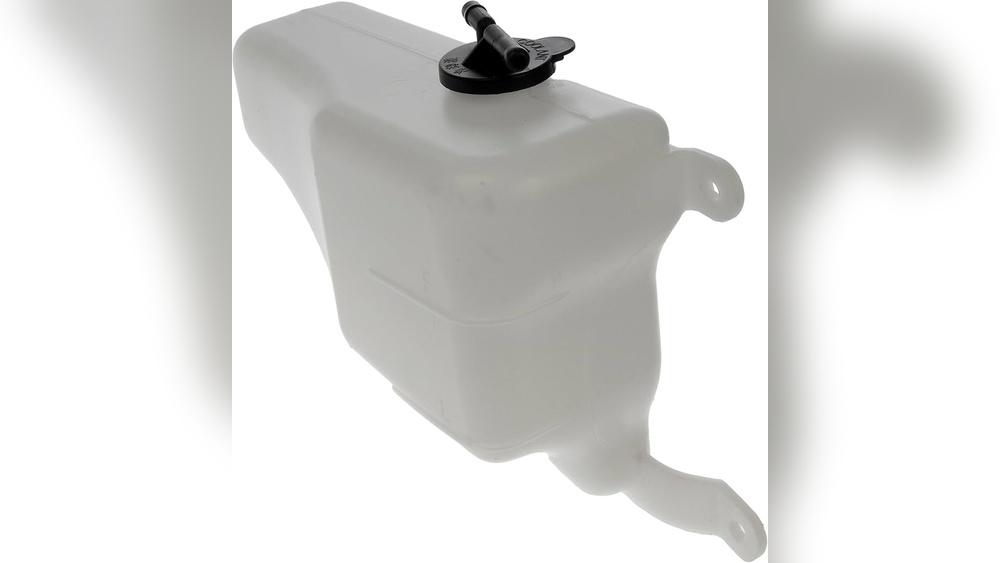
Have you ever heard the term “reserve tank” and wondered what it means? You are not alone. Many people, especially beginners, do not understand the idea behind a reserve tank. This article will explain what a reserve tank is. It will also talk about how it works and why it is useful.
What is a Reserve Tank?
A reserve tank is a small part of the fuel system in some vehicles. It is not always a separate tank. Instead, it is often a hidden amount of fuel kept in the main tank. This fuel is saved for emergencies.
The reserve tank helps drivers avoid running out of fuel suddenly. It acts like a safety buffer. When the main fuel runs low, the vehicle can still use the reserve fuel. This gives the driver time to find a gas station.
Reserve Tank in Old vs. New Vehicles
Older vehicles, especially motorcycles and some trucks, sometimes had a separate small tank. This tank was called the reserve tank. Drivers could switch to this tank when the main tank was empty.
In many modern cars, there is no separate reserve tank. Instead, the fuel gauge or warning light tells the driver when fuel is low. The car still has some fuel left in the main tank. This leftover fuel is what we call the reserve fuel.
How Does a Reserve Tank Work?
The reserve tank works by holding extra fuel. This fuel is not used right away. The vehicle uses the main fuel first. When the main fuel runs low, the vehicle starts using the reserve fuel.
In older motorcycles, the fuel system had a small valve called a petcock. This valve had two positions: “On” and “Reserve.” When the driver turned the valve to “Reserve,” fuel flowed from the reserve part of the tank.
This system allowed drivers to continue driving after the main fuel was gone. It gave them extra miles to reach a gas station.
Why Do Vehicles Have a Reserve Tank?
The reserve tank is important for safety and convenience. Here are some reasons why vehicles have a reserve tank or reserve fuel:
- Prevents Running Out of Fuel Suddenly: It gives drivers extra time to find fuel.
- Protects the Fuel Pump: The fuel pump needs to stay covered in fuel to work well.
- Reduces Stress: Drivers feel less worried about running out of fuel on the road.
- Provides a Warning: It signals that the fuel is low before it is empty.
How Much Fuel is in the Reserve?
The amount of fuel in the reserve tank or reserve area varies. It depends on the vehicle type and size of the main tank.
| Vehicle Type | Reserve Fuel Amount | Approximate Distance |
|---|---|---|
| Motorcycle | 1 to 2 liters | 20 to 40 miles (30 to 65 km) |
| Small Car | 2 to 4 liters | 30 to 50 miles (50 to 80 km) |
| Large Car / SUV | 3 to 6 liters | 40 to 70 miles (65 to 110 km) |
These are average numbers. The real amount depends on fuel efficiency and driving conditions.
How Do You Know When You Are Using the Reserve Tank?
Most modern cars have a fuel light or warning on the dashboard. This light turns on when the fuel is low. It means the car is using the reserve fuel.
For older motorcycles with a petcock, the driver needs to turn the valve to the “Reserve” position. This action lets the bike use the reserve fuel.
In both cases, the vehicle gives you a chance to refuel before the fuel runs out completely.
Is It Safe to Drive on Reserve Fuel?
Driving on reserve fuel is okay for short distances. It helps you reach a gas station safely.
However, it is not good to drive long distances on reserve fuel. Why? The fuel pump needs to stay covered in fuel. Without enough fuel, the pump can get hot and break.
Also, running out of fuel can cause damage to the engine and fuel system. So, it is best to fill up your tank as soon as possible after the reserve light comes on.
Common Myths About Reserve Tanks
- Myth 1: The reserve tank is a separate small tank in all vehicles.
Fact: Most modern cars do not have a separate reserve tank. - Myth 2: You can drive forever on reserve fuel.
Fact: Reserve fuel gives only a few extra miles. - Myth 3: The fuel gauge is always exact.
Fact: Fuel gauges may not be perfectly accurate.
How to Use the Reserve Tank in Motorcycles
Many motorcycles have a manual system for the reserve fuel. This system uses a petcock valve. It has three positions:
- Off: No fuel flows to the engine.
- On: Fuel flows from the main tank.
- Reserve: Fuel flows from the reserve area.
When the motorcycle runs out of fuel in the main tank, the rider switches the valve to “Reserve.” This action allows the motorcycle to use the fuel left in the reserve section.
This reserve fuel helps the rider reach a fuel station before stopping.

Credit: aircom.ag
Tips for Beginners About Reserve Tanks
- Always watch your fuel gauge carefully.
- Do not wait too long to refill after the reserve light comes on.
- Learn how your vehicle’s reserve system works.
- In motorcycles, practice switching the petcock to reserve.
- Keep track of how many miles you can drive on reserve.
- Avoid running out of fuel to protect your engine and pump.
Credit: www.dayco.com
Summary
A reserve tank is a safety feature in many vehicles. It provides extra fuel when the main supply is low. Most modern cars do not have a separate reserve tank. Instead, they use a reserve amount inside the main tank.
In older motorcycles and some trucks, the reserve tank was a separate fuel area. Drivers could switch to it when needed. Reserve fuel helps prevent sudden stops on the road.
Driving on reserve fuel is a short-term solution. It gives you a chance to reach a gas station. Always fill your tank soon after the reserve light shows up.
Understanding how the reserve tank works keeps you safe. It also helps you avoid trouble on the road.
Frequently Asked Questions
How Does A Reserve Tank Work?
A reserve tank stores extra fuel for emergencies. When the main fuel runs low, switch to reserve to access backup fuel. This prevents sudden engine stops and allows time to refuel safely. Reserve tanks ensure continuous operation by providing a safety fuel buffer during critical moments.
How Far Can I Drive On A Reserve Tank?
You can typically drive 30 to 50 miles on a reserve tank, depending on your vehicle and driving conditions. Reserve fuel acts as a safety buffer before running out. Use it only to reach a fuel station promptly to avoid damage to your fuel pump.
How To Know If A Car Is In Reserve Tank?
A car shows it’s in reserve when the fuel warning light or low fuel gauge activates. This means only a small fuel amount remains. Modern cars don’t have a separate reserve tank; the warning signals a safety buffer before the tank runs completely dry.
Drive cautiously then.
Does The Reserve Tank Fill Automatically?
No, the reserve tank does not fill automatically. It’s a small fuel amount left for emergency use only.
