

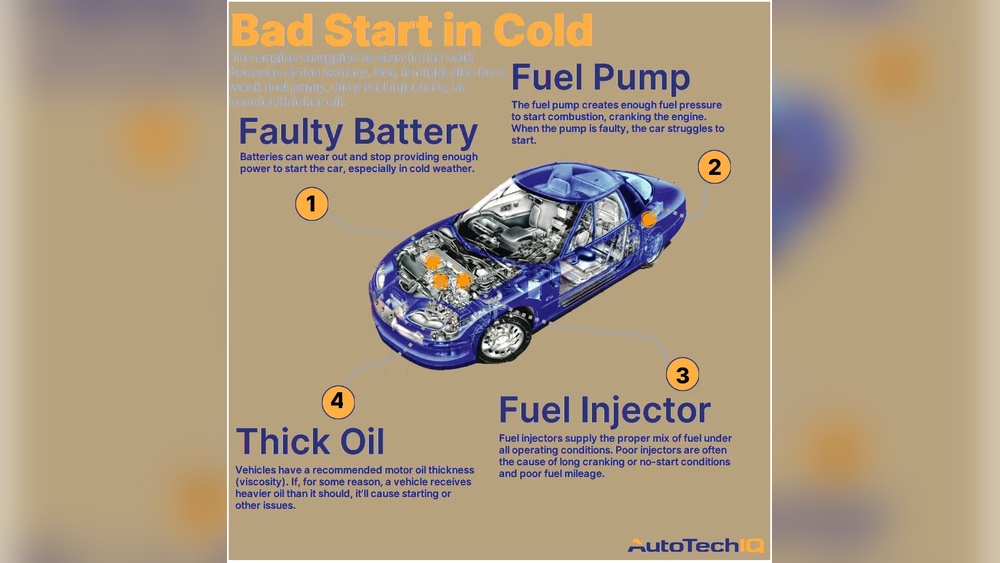
Have you noticed your car struggling to start or losing power while driving? It can be frustrating and even dangerous when your vehicle doesn’t perform like it used to.
Understanding why your car struggles is the first step to fixing the problem and getting back on the road with confidence. You’ll discover the common reasons behind your car’s struggles and simple ways to address them. Keep reading—you’ll learn how to spot issues early and save yourself time, money, and stress.

Credit: www.autotechiq.com
Common Causes Of Car Struggles
Car struggles can happen for many reasons. Some problems are easy to fix. Others need a mechanic’s help. Knowing common causes helps you spot issues early. It saves money and avoids big repairs.
Here are the main areas that cause car struggles. Each affects how your car runs and feels on the road.
Engine Performance Issues
The engine needs air, fuel, and spark to run well. Problems like worn spark plugs or dirty air filters reduce power. The engine may hesitate or stall. Regular tune-ups keep the engine strong and smooth.
Fuel System Problems
The fuel system delivers gas to the engine. A clogged fuel filter or bad fuel pump can starve the engine. This causes poor acceleration and rough idling. Clean fuel parts help the car run better.
Transmission Troubles
The transmission moves power from the engine to the wheels. Low fluid or worn parts cause slipping or hard shifting. The car may feel jerky or slow to respond. Checking transmission fluid prevents many problems.
Electrical System Faults
Cars rely on electricity for starting and running parts. Dead batteries, bad alternators, or loose wires cause trouble. You might see warning lights or hear clicking sounds. Fix electrical issues quickly to avoid being stranded.
Exhaust System Blockages
The exhaust system removes harmful gases from the engine. Blocked or damaged pipes cause poor engine performance. The car might smell bad or run roughly. Regular checks keep the exhaust flowing freely.
Credit: www.wikihow.com
Signs Your Car Is Struggling
Noticing your car struggle is a clear sign that something needs attention. Cars usually run smoothly, so any change means a problem. Recognizing these signs early can save time and money. It also keeps you safe on the road. Here are some common signs your car is struggling.
Reduced Acceleration
Your car takes longer to speed up. Pressing the gas pedal feels less effective. This delay can happen on flat roads or hills. Reduced acceleration means the engine or fuel system may have issues. Don’t ignore this sign as it can get worse.
Unusual Noises
Strange sounds come from the engine or exhaust. These can be knocking, grinding, or squealing noises. Unusual noises often mean parts are worn out or damaged. They can also signal problems with belts or brakes. Pay attention to any new or loud sounds.
Warning Lights
Dashboard lights turn on unexpectedly. Common lights include check engine, oil, or battery warnings. These lights indicate specific problems inside the car. They are your car’s way to tell you something is wrong. Ignoring warning lights can lead to bigger issues.
Poor Fuel Efficiency
Your car uses more fuel than usual. You notice more trips to the gas station. Poor fuel efficiency can result from engine troubles or dirty filters. It can also happen if tires are underinflated. Keeping track of fuel use helps spot problems early.
Quick Diagnostic Steps
Quick diagnostic steps help find why your car struggles. These checks save time and money. They show common problems fast. You can do many at home. Start with easy fixes before calling a mechanic.
Check Engine Light Scanning
The check engine light is a key indicator. Use an OBD-II scanner to read codes. These codes point to specific issues. Codes can relate to sensors, ignition, or fuel. Clear codes after repairs to see if the light returns.
Inspecting Spark Plugs
Spark plugs create the spark for combustion. Remove and check their condition. Look for wear, deposits, or damage. Dirty plugs cause poor engine performance. Replace plugs every 30,000 miles or as needed.
Testing Fuel Pressure
Fuel pressure affects engine power and efficiency. Use a fuel pressure gauge to test it. Low pressure may mean a bad pump or filter. High pressure can signal a regulator problem. Proper fuel pressure keeps the engine running smoothly.
Examining Air Filters
Air filters stop dirt from entering the engine. Check for dirt or blockages. A clogged filter reduces airflow and power. Replace air filters every 12,000 to 15,000 miles. Clean air filters improve fuel economy and performance.
Diy Fixes To Improve Performance
Car performance issues can often be fixed with simple steps. These DIY fixes help improve your car’s power and fuel efficiency. They save money and keep your car running smoothly. Each task is easy to do with basic tools and little experience.
Replacing Air And Fuel Filters
Dirty air and fuel filters block airflow and fuel flow. This causes your car to struggle and lose power. Replacing these filters is quick and affordable. Open the filter compartments, remove old filters, and install new ones. Clean filters help your engine breathe better and run stronger.
Cleaning Fuel Injectors
Fuel injectors spray fuel into the engine. Over time, they get clogged with dirt and deposits. Cleaning injectors improves fuel delivery and engine performance. Use a fuel injector cleaner additive or remove injectors for deep cleaning. Clear injectors ensure smooth driving and better fuel use.
Changing Spark Plugs
Worn spark plugs cause poor ignition and engine misfires. Changing spark plugs restores smooth starts and better acceleration. Remove old plugs with a socket wrench and install new ones. Check the gap on new plugs for correct fit. Fresh spark plugs make your engine run efficiently.
Resetting The Engine Control Unit
The Engine Control Unit (ECU) manages engine functions. Sometimes, it needs a reset to clear errors and improve performance. Disconnect the car battery for 15 minutes to reset the ECU. Reconnect and start the car to let the ECU relearn. This simple reset can fix minor engine issues.
When To See A Mechanic
Knowing when to see a mechanic can save your car from serious damage. Some car problems need expert care right away. Delaying repairs can lead to higher costs and unsafe driving conditions. Watch for signs that your car is not working well. Act fast to keep your vehicle running smoothly and safely.
Persistent Engine Problems
Engine trouble that does not go away needs a mechanic’s check. Rough idling, stalling, or strange noises are warning signs. Poor fuel economy or loss of power also show engine issues. These problems can worsen and cause a breakdown. A mechanic can diagnose and fix the root cause.
Transmission Issues
Transmission problems affect how your car shifts gears. Hard shifting, slipping gears, or delayed engagement need attention. Strange smells or fluid leaks near the transmission are red flags. Ignoring these signs can lead to costly repairs. A mechanic can inspect and repair the transmission properly.
Electrical System Failures
Electrical issues can cause many car problems. Flickering lights, dead batteries, or malfunctioning gauges need a mechanic’s help. Difficulty starting the car or frequent battery replacement also points to electrical faults. These failures can affect your car’s safety and performance. A professional can find and fix electrical faults quickly.
Safety Concerns
Any problem that affects your car’s safety requires immediate repair. Brake issues, steering problems, or warning lights on the dashboard are serious. Strange noises while driving or vibrations can also signal danger. Driving a car with safety problems risks accidents. A mechanic can ensure your car is safe to drive.
Credit: www.rainierauto.com
Preventive Maintenance Tips
Preventive maintenance helps your car run smoothly and avoid struggles. It stops small problems from turning into big, costly repairs. Regular care keeps your vehicle safe and reliable on the road. Here are key tips to maintain your car’s health.
Regular Oil Changes
Oil lubricates the engine and reduces friction. Dirty oil makes the engine work harder and wear out faster. Change oil every 3,000 to 5,000 miles or as your car’s manual suggests. Fresh oil keeps the engine clean and efficient.
Scheduled Tune-ups
Tune-ups check and adjust engine parts for optimal performance. This includes spark plugs, air filters, and fuel systems. Regular tune-ups improve fuel efficiency and reduce engine strain. Follow your car’s service schedule for best results.
Maintaining Tire Health
Proper tire pressure and tread depth ensure good grip and fuel efficiency. Check tire pressure monthly and inflate to the recommended level. Rotate tires every 6,000 to 8,000 miles to prevent uneven wear. Healthy tires prevent handling problems and improve safety.
Keeping Battery In Check
The battery powers your car’s electrical system. Corrosion on battery terminals can cause starting issues. Clean terminals regularly and check battery charge. Replace the battery every 3 to 5 years to avoid unexpected failures.
Frequently Asked Questions
Why Does My Car Struggle To Accelerate Smoothly?
A car may struggle to accelerate smoothly due to clogged fuel filters, dirty spark plugs, or faulty oxygen sensors. These issues reduce engine efficiency and power. Regular maintenance and timely part replacements help restore smooth acceleration and improve overall vehicle performance.
What Causes My Car To Struggle On Hills?
Struggling on hills often results from weak engine power, low transmission fluid, or worn-out spark plugs. These factors limit your car’s ability to generate sufficient torque needed for uphill driving. Checking engine health and fluid levels can resolve hill climbing difficulties.
How Can I Fix My Car’s Struggling Engine?
Fixing a struggling engine involves inspecting fuel delivery, ignition system, and air filters. Replacing faulty parts and cleaning clogged components restore engine performance. Regular tune-ups prevent recurring issues and improve fuel efficiency, ensuring your car runs smoothly.
Does A Dirty Air Filter Cause Car Performance Issues?
Yes, a dirty air filter restricts airflow to the engine, reducing power and efficiency. Replacing or cleaning the air filter improves combustion, resulting in better acceleration and smoother driving. Regular air filter maintenance is essential for optimal engine function.
Conclusion
A car that struggles can be frustrating and unsafe. Regular checks help spot problems early. Clean filters, good fuel, and proper engine care matter a lot. Don’t ignore warning signs like rough idling or slow acceleration. Simple fixes can save time and money later.
Trust a mechanic if the issue feels complex. Keep your car healthy for smooth and safe driving every day. Taking small steps now avoids bigger troubles ahead.
