

Have you ever wondered how your car actually stops when you press the brake pedal? Understanding how the brake system works can give you more confidence behind the wheel and help you keep your vehicle in top shape.
You’ll discover the simple yet powerful mechanics that make your brakes respond instantly, ensuring your safety every time you drive. Keep reading, and you’ll learn exactly what happens when you hit the brakes—and why it matters to you.

Credit: www.ferodo.com
Brake System Basics
The brake system is a vital part of any vehicle. It helps the driver stop the car safely and quickly. Understanding how brakes work can improve driving safety and car maintenance.
Brakes use friction to slow down or stop the wheels. This friction changes the car’s motion into heat, which stops the vehicle. Different types of brake systems exist, each with unique parts and functions.
Types Of Brake Systems
There are two main types of brake systems: disc brakes and drum brakes. Disc brakes use a flat metal disc that spins with the wheel. Brake pads squeeze the disc to slow it down.
Drum brakes have a round drum attached to the wheel. Brake shoes press outward against the drum to create friction. Disc brakes offer better performance in wet conditions.
Many modern cars use disc brakes on all wheels or at least on the front wheels. Some older or smaller vehicles still use drum brakes, mainly on the rear wheels.
Main Components
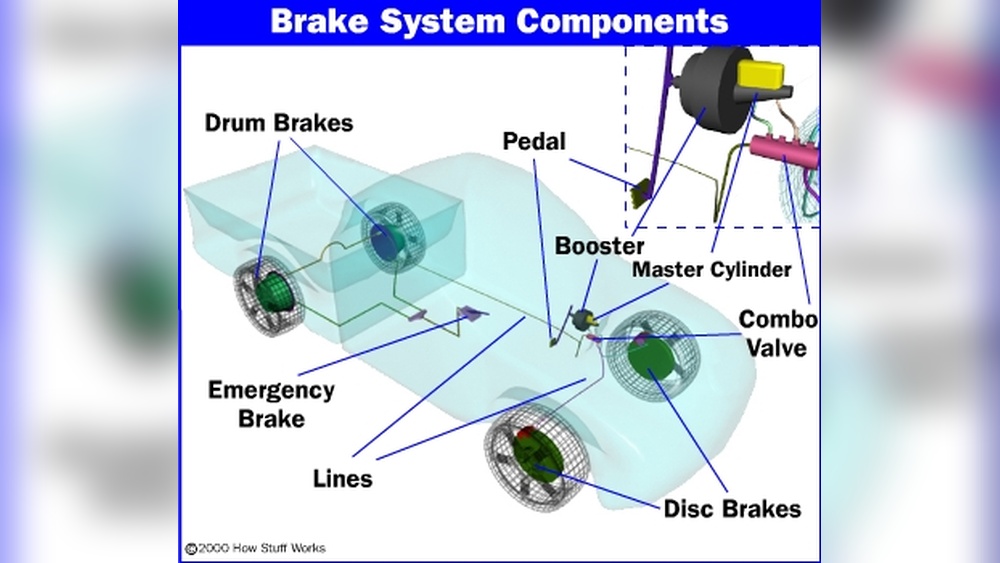
The brake system has several key parts working together. The brake pedal is what the driver presses to start braking. It sends force through the brake lines.
Brake lines carry brake fluid, which transfers pressure to the brakes. This pressure pushes brake pads or shoes against the discs or drums. This action creates the needed friction.
Other parts include the master cylinder, which controls fluid pressure, and the calipers in disc brakes, which hold and press the brake pads. Brake pads and shoes wear out over time and need replacement.
Credit: www.howacarworks.com
Hydraulic Brake Operation
The hydraulic brake system stops a vehicle by using fluid pressure. This system turns the force from your foot into strong pressure. That pressure pushes brake pads against the wheels to slow or stop the car.
The system works smoothly and responds quickly. It uses brake fluid to carry force through small tubes. Each part has a special job to make braking safe and effective.
Master Cylinder Role
The master cylinder is the main control of the brake system. It holds brake fluid and creates pressure when you press the brake pedal. This pressure moves through the brake lines to the wheels. The master cylinder makes sure the force is strong enough to stop the car quickly.
Brake Fluid Function
Brake fluid carries the pressure from the master cylinder to the brakes. It does not compress like air, so the force moves fast and steady. This fluid also helps protect the brake parts from rust and wear. It needs to stay clean and full for the system to work well.
Wheel Cylinders And Calipers
Wheel cylinders and calipers push the brake pads against the wheels. Wheel cylinders are used in drum brakes, while calipers are in disc brakes. They change the hydraulic pressure into mechanical force. This force creates friction that slows the wheels down.
Disc Brakes Vs Drum Brakes
Choosing the right brake system is important for vehicle safety and performance. Disc brakes and drum brakes are two common types. Both stop the car but work differently. Understanding how each works helps you know their benefits and limits.
How Disc Brakes Work
Disc brakes use a flat metal disc called a rotor. The brake pads squeeze the rotor to stop the wheel. This action creates friction that slows the vehicle. The system uses hydraulic pressure from the brake fluid. It reacts quickly and cools down fast, which helps prevent overheating.
How Drum Brakes Work
Drum brakes have a round drum attached to the wheel. Inside, brake shoes press outward against the drum to slow the car. The shoes create friction with the drum’s surface. This system also uses brake fluid to apply pressure. Drum brakes are enclosed, which protects parts from dirt and water.
Advantages And Disadvantages
Disc brakes stop more evenly and perform well in wet conditions. They cool quickly, so they handle heavy braking better. Disc brakes cost more and need more maintenance. Drum brakes are cheaper and last longer in normal use. They can trap heat and brake fade happens faster. Drum brakes may not stop as smoothly or quickly as disc brakes.
Credit: www.powerstop.com
Anti-lock Braking System (abs)
The Anti-lock Braking System (ABS) helps drivers keep control during sudden stops. It stops the wheels from locking up. Locked wheels can cause skidding and loss of control. ABS makes braking safer, especially on wet or slippery roads.
Abs Components
ABS has several key parts. Wheel speed sensors monitor each wheel’s speed. The electronic control unit (ECU) processes sensor data. It decides when to activate ABS. Hydraulic valves adjust brake pressure on each wheel. The pump restores pressure after valves reduce it.
How Abs Prevents Skidding
ABS detects if a wheel is about to lock. It quickly reduces brake pressure to that wheel. This lets the wheel keep spinning. Spinning wheels maintain traction with the road. The system repeats this process many times per second. It helps the driver steer while braking hard. Skidding is less likely with ABS active.
Brake Maintenance Tips
Keeping your brake system in good shape is important for safe driving. Regular brake maintenance helps avoid accidents and costly repairs. Simple checks and timely care improve your vehicle’s stopping power.
Signs Of Brake Wear
Listen for squealing or grinding noises when braking. These sounds often mean brake pads are worn out. Feel for vibration or a pulsing brake pedal. These can show problems with the brake rotors. Also, check if the car pulls to one side when stopping. This may indicate uneven brake wear.
Fluid Replacement
Brake fluid transfers force from the pedal to the brakes. Over time, this fluid can absorb moisture and lose effectiveness. Replace brake fluid as recommended by your vehicle’s manual. Fresh fluid keeps the brakes responsive and prevents corrosion inside the system.
Regular Inspections
Inspect brake pads, rotors, and lines regularly. Look for cracks, rust, or leaks. Check brake fluid levels every few months. Early detection of issues saves money and keeps you safe. A simple inspection can prevent brake failure on the road.
Common Brake Problems
Brake systems are vital for safe driving. They help stop your car quickly and smoothly. Sometimes, brakes show problems that affect their performance. Knowing common brake problems helps you stay safe on the road. It also helps you fix issues early before they get worse.
Squeaking And Grinding Noises
Squeaking sounds come from worn brake pads. The noise warns you to replace them soon. Grinding noises mean the brake pads are gone. Metal parts rub together, causing damage. This problem needs urgent attention. Ignoring it can harm the brake rotors.
Brake Fade
Brake fade happens when brakes lose power. It feels like the brakes are weak or slow. This happens after long or hard braking. Heat builds up and reduces braking force. Brake fade can be dangerous on steep roads. Let brakes cool down to restore power.
Pedal Issues
Pedal problems affect how you stop the car. A soft or spongy pedal means air in the brake lines. A hard pedal means a problem with the brake booster. Sometimes, the pedal sinks to the floor. This shows a brake fluid leak. Check pedals regularly for safe driving.
Frequently Asked Questions
How Does A Car Brake System Work?
A car brake system slows or stops the vehicle by applying friction. When you press the brake pedal, it activates brake pads that press against the rotors. This friction reduces the wheel’s speed, enabling the car to stop safely and efficiently.
What Are The Main Parts Of A Brake System?
The main parts include brake pads, rotors, calipers, brake lines, and the master cylinder. Each part plays a crucial role in generating friction and transmitting hydraulic pressure to stop the vehicle. Proper maintenance of these components ensures safe braking performance.
Why Is Brake Fluid Important In Braking?
Brake fluid transfers the force from the brake pedal to the brake pads. It is hydraulic fluid that creates pressure in the brake lines. Without brake fluid, the braking system cannot function properly, leading to reduced stopping power and potential brake failure.
How Often Should Brake Pads Be Replaced?
Brake pads should be replaced every 30,000 to 70,000 miles, depending on driving habits. Signs of wear include squeaking noises and reduced braking efficiency. Regular checks help maintain safety and prevent damage to other brake components.
Conclusion
Understanding how the brake system works helps you stay safe on the road. Brakes slow down or stop your vehicle quickly when needed. Regular checks keep the system working well. Worn parts can cause problems and increase risks. Knowing the basics makes it easier to spot issues early.
Safe driving depends on good brakes and your attention. Keep your brakes in top shape to protect yourself and others. Simple steps can prevent accidents and save lives.
