

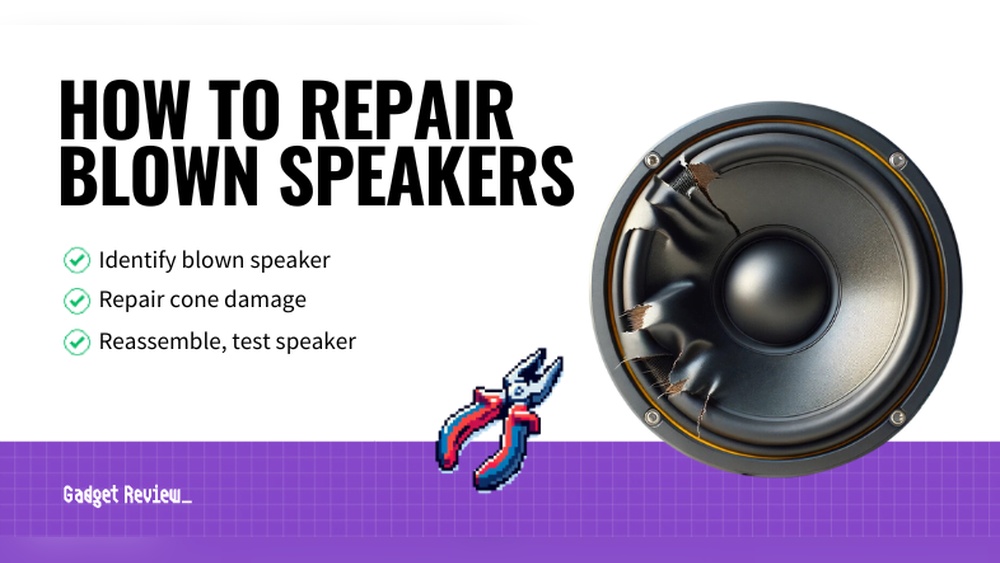
Have you ever cranked up your music only to hear a crackling noise or no sound at all? If so, your speaker might be blown.
But what does a blown speaker really mean? Understanding this can save you time, money, and frustration. In this guide, you’ll discover the clear signs of a blown speaker, why it happens, and what you can do to fix or avoid it.
Keep reading to protect your sound and enjoy your music without interruptions.

Credit: www.gadgetreview.com
What Is A Blown Speaker
A blown speaker happens when the speaker’s parts get damaged. This damage stops the speaker from working properly. It often occurs from playing music too loud or from old wear and tear. A blown speaker cannot move sound waves like it should. This leads to poor sound or no sound at all.
Knowing what a blown speaker is helps you spot problems early. It also guides you to fix or replace the speaker on time. Understanding this issue makes your music listening better and saves money.
Signs Of A Blown Speaker
One common sign is distorted sound. The music may crackle or buzz strangely. You might hear a rattling noise when the speaker moves. Sometimes, the speaker produces no sound even when it is on. The speaker cone might look torn or damaged. These signs show the speaker is not working well.
How It Affects Sound Quality
A blown speaker changes how music sounds. The clear sound becomes fuzzy or muffled. High notes may sound harsh or weak. Bass sounds can disappear or become weak. The volume might be lower than before. Overall, the sound loses its original quality and power.
Credit: www.soundcore.com
Common Causes Of Blown Speakers
Blown speakers stop working because of many reasons. Knowing these causes helps you protect your speakers. It also saves money on repairs or replacements. Understanding why speakers blow guides you to use them better and longer.
Overpowering The Speaker
Playing music too loud can harm speakers. When speakers get more power than they can handle, parts inside break. This causes distortion or no sound at all. Keep volume at safe levels to avoid damage.
Physical Damage
Speakers are sensitive to hits or drops. Pushing or poking the speaker cone can tear it. Dust and dirt can also cause damage over time. Handle speakers gently and keep them clean.
Aging And Wear
Speakers get weaker as they age. The materials inside break down after years of use. This leads to poor sound quality or failure. Regular checks help find problems before they get worse.
Electrical Issues
Bad wiring or power surges can blow a speaker. Faulty cables or poor connections cause short circuits. Using the right cables and good setups protects your speakers. Avoid cheap or damaged wires.
Diagnosing A Blown Speaker
Diagnosing a blown speaker helps you know if the speaker is damaged or working fine. This step is important before buying a new one or fixing the old. Simple checks can save time and money. You can do many tests at home with basic tools.
Visual Inspection
Look closely at the speaker cone and surrounding parts. Check for tears, holes, or dents. See if the cone is loose or pushed in. Also, check the wires for breaks or burns. A damaged cone or wire often means the speaker is blown.
Sound Testing Methods
Play music or sound through the speaker at low volume first. Listen for crackling, buzzing, or distortion. These sounds show a problem inside the speaker. Increase volume slowly to see if noise gets worse. No sound or very low sound can also mean a blown speaker.
Using Multimeters
Use a multimeter to check the speaker’s electrical resistance. Set the meter to ohms and connect the probes to speaker terminals. Normal speakers usually show 4 to 8 ohms. A reading of zero or infinite means a problem. This test confirms if the speaker coil is broken or shorted.
Credit: abcadvancedauto.com
Simple Fixes For Blown Speakers
Simple fixes can often save a blown speaker without needing a full replacement. Many common problems have quick solutions. Basic tools and a little patience help you bring sound back to life.
Small repairs can restore speaker parts. These fixes keep your audio clear and loud again. Try these easy methods to fix blown speakers at home.
Reattaching Or Replacing The Voice Coil
The voice coil moves inside the speaker to create sound. It can come loose or burn out. To fix this, carefully remove the old coil. Check if it is clean and not damaged.
Reattach the coil with glue or replace it with a new one. Make sure the coil moves freely without touching other parts. This repair often restores sound quality fast.
Fixing Torn Cones
The cone directs sound waves and can tear from heavy use. Small tears cause buzzing or distortion. Use light glue or special tape to mend the cone.
Apply glue gently on the torn edges. Press them together and let dry fully. Avoid heavy glue that changes the cone’s shape. This fix helps keep sound clear.
Resoldering Connections
Loose wires or broken joints stop speakers from working well. Check all wiring points for breaks or weak spots. Use a soldering iron to rejoin wires securely.
Heat the wire and pad, then add solder until it flows smoothly. Let it cool before testing the speaker. Strong connections bring back full sound power.
When To Replace A Speaker
Knowing when to replace a blown speaker is important. It helps save money and keeps your sound clear. Sometimes, a speaker can be fixed. Other times, replacement is the better choice. This guide shows how to decide the right time to change your speaker.
Assessing Repair Costs
Check the price of fixing the speaker first. Minor damage might cost less to repair. But severe damage often needs costly parts. Compare repair costs with a new speaker’s price. If repair costs are close to a new speaker, replacement is better.
Evaluating Sound Performance
Listen carefully to the speaker’s sound quality. Distorted or low sound means damage is serious. If sound does not improve after repair, replace the speaker. A good speaker should have clear and full sound. Poor sound shows it is time to buy new.
Considering Upgrades
Think about upgrading to better speakers. New speakers offer improved sound and features. Replacement lets you enjoy clearer music and better bass. Upgrading is smart if your old speaker is outdated. It can improve your listening experience greatly.
Preventing Future Speaker Damage
Preventing future speaker damage is key to enjoying clear sound for years. Understanding simple care tips helps avoid costly repairs or replacements. Small steps make a big difference in speaker health.
Proper Volume Levels
Keep your speaker volume at a safe level. High volume causes the speaker parts to strain and wear out quickly. Avoid sudden loud sounds that can blow the speaker. Listen comfortably without pushing the limits.
Using Quality Equipment
Choose good-quality speakers and amplifiers. Cheap or poor equipment often causes speaker damage. Match your speaker’s power rating with the amplifier’s output. This balance protects your speakers from overload and distortion.
Regular Maintenance Tips
Clean your speakers regularly to remove dust and dirt. Dust can block sound and damage internal parts. Check wires and connections for wear and tear. Replace damaged cables to keep sound clear and strong.
Frequently Asked Questions
What Is A Blown Speaker And How To Identify It?
A blown speaker is a damaged speaker cone or voice coil. Signs include distorted sound, crackling, or no sound. It often occurs due to excessive power or volume. Identifying it early helps prevent further damage to your audio system.
What Causes A Speaker To Blow Out?
Speakers blow out mainly due to overpowering or distortion. Playing audio at high volumes for long periods strains the speaker components. Other causes include physical damage, poor wiring, or manufacturing defects. Proper usage and maintenance reduce the risk of damage.
How Can I Fix A Blown Speaker Myself?
Minor issues can be fixed by repairing the speaker cone or replacing the voice coil. Use repair kits for small tears or buy replacement parts. For severe damage, professional repair or replacement is recommended to restore sound quality.
Can A Blown Speaker Be Repaired Or Replaced?
Yes, blown speakers can often be repaired if damage is minor. Severe damage requires replacement of the speaker or components. Repair costs vary, but replacing may be more cost-effective for badly damaged speakers.
Conclusion
A blown speaker can cause poor sound or no sound at all. Knowing the signs helps you fix problems faster. Always check your equipment carefully to avoid damage. Taking care of speakers extends their life and saves money. If a speaker sounds strange, don’t ignore it.
Act quickly to keep your music clear and strong. Understanding what a blown speaker means makes you more confident. Keep your audio system working well with simple care steps. Sound quality matters, and good speakers make a big difference.
