

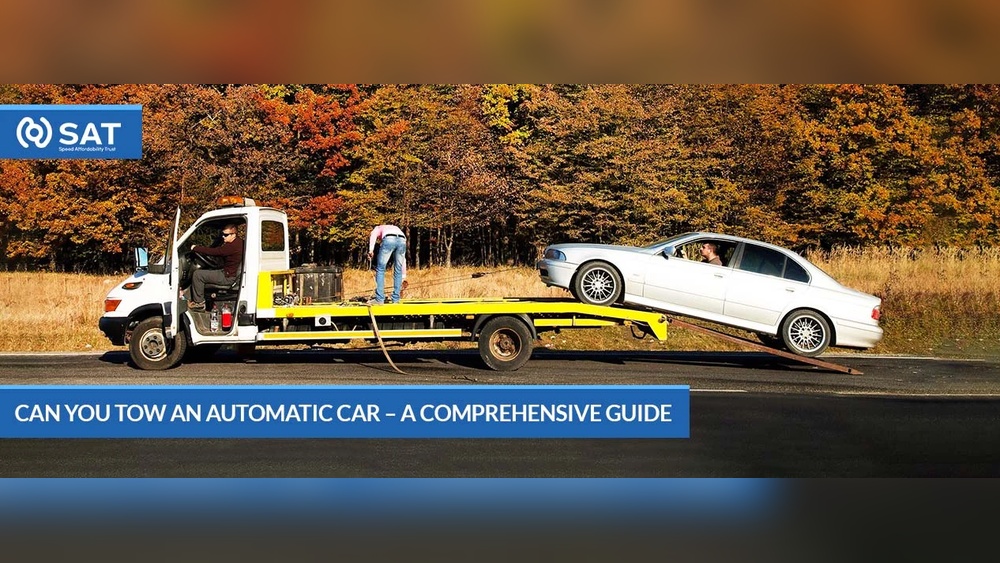
Have you ever wondered if you can tow a car safely and without causing damage? Whether you’re helping a friend, moving vehicles, or dealing with an emergency, knowing the right way to tow a car is crucial.
In this guide, you’ll discover simple tips and clear steps to tow a car correctly. By the end, you’ll feel confident handling your towing needs without stress or guesswork. Keep reading to learn everything you need to know before hooking up that tow rope.

Credit: blackrhinotrailer.com
Types Of Towing Methods
Towing a car requires the right method to keep the vehicle safe and secure. Different towing methods fit different situations. Each method has its own way to carry or pull a car. Choosing the best method depends on the car type, distance, and towing vehicle. Here are the main types of towing methods used by professionals and everyday drivers.
Flatbed Towing
Flatbed towing uses a truck with a flat platform. The car is lifted completely off the ground. This method prevents wear and tear on the towed car. It is safe for all vehicles, especially those with all-wheel drive. Flatbed towing avoids damage to tires and suspension. It is common for long-distance towing and car transport.
Dollies And Car Trailers
Dollies lift either the front or rear wheels of the car. The other wheels stay on the road. This method suits front-wheel or rear-wheel drive cars. Car trailers carry the whole vehicle on a trailer. This way, all wheels are off the ground. Trailers are good for longer trips and heavy cars. Both dollies and trailers reduce damage risk during towing.
Tow Bars And Hooks
Tow bars attach the towed car to the towing vehicle. The towed car’s wheels stay on the road. This method works well for short distances. Tow hooks are used to pull a car out of stuck places. Hooks connect to a winch or another vehicle. These methods require careful driving to avoid damage. Tow bars and hooks are simple but need skill to use.
Legal Requirements For Towing
Towing a car involves more than just hooking it up to your vehicle. Legal rules make sure the process is safe for everyone on the road. Understanding these rules helps you avoid fines and accidents. Each area may have different laws. Knowing what applies to your situation is important.
Licensing And Permits
Drivers often need a special license to tow cars. This depends on the weight and type of trailer. Some states require a commercial driver’s license for heavy loads. Permits may be needed for long distances or large vehicles. Always check your local rules before towing.
Weight Limits And Restrictions
There are limits to how much weight you can tow. These limits protect your vehicle and the road. The total weight includes the trailer and the car being towed. Exceeding weight limits can cause accidents and damage. Use a scale to measure the load accurately.
Safety Equipment Regulations
Safety gear is required by law when towing. This includes working brake lights and turn signals. Safety chains help keep the trailer connected if the hitch fails. Some places require trailer brakes for heavy loads. Proper tires and mirrors also improve safety on the road.
Preparing Your Vehicle For Towing
Preparing your vehicle for towing is important to avoid damage. Proper steps ensure safety and smooth transport. Taking time to prepare helps protect your car and others on the road.
Checking The Owner’s Manual
Start by reading the owner’s manual carefully. It has specific instructions about towing your car. Some vehicles cannot be towed safely without special equipment. The manual tells you the best way to tow your model.
Look for details on towing speed limits and distance. Follow these rules to prevent mechanical problems. The manual may also list parts to check before towing.
Securing The Vehicle
Secure the car properly to the towing device. Use strong straps or chains made for towing. Make sure the vehicle cannot move or shift during transport. Double check all connections before driving.
Loose or weak securing can cause accidents. Check the tires and suspension for any damage. Secure loose parts inside and outside the vehicle to avoid hazards.
Disabling The Parking Brake
Always disable the parking brake before towing. Towing with the brake on can cause serious damage. It may overheat or break parts in the brake system. Release the brake fully to allow wheels to roll.
For some cars, disconnecting the brake system may be necessary. Refer to the manual for specific instructions. This step protects your vehicle’s brakes during towing.
Credit: canadadirectroadside.ca
Choosing The Right Towing Equipment
Choosing the right towing equipment is vital for safe and smooth car towing. Using proper tools protects both vehicles and prevents accidents. Each part plays a key role in towing success.
Investing time in selecting correct equipment saves money and avoids damage. Learn how to pick the best items for your towing needs below.
Selecting Tow Hitches
Tow hitches connect the towing vehicle to the car being towed. Choose a hitch rated for your car’s weight. A hitch that is too weak can break during towing.
Check the hitch class and weight capacity. Make sure it fits your vehicle’s make and model. Securely fasten the hitch to avoid detachment on the road.
Using Safety Chains
Safety chains act as a backup connection between vehicles. Attach chains in a crisscross pattern under the hitch. This keeps the towed car aligned if the hitch fails.
Use chains strong enough to carry the weight of the towed car. Inspect chains for rust or damage before use. Always cross chains to avoid dragging on the ground.
Towing Mirrors And Lights
Towing mirrors improve visibility behind the towed car. Extend your vehicle’s side mirrors to see the full length. This prevents blind spots and helps you change lanes safely.
Ensure towing lights are connected and working. Brake lights and turn signals on the towed car must sync with the towing vehicle. Proper lighting warns drivers and avoids accidents.
Safe Driving Tips While Towing
Towing a car requires extra care and attention on the road. Safe driving while towing helps prevent accidents and damage. Follow these simple tips to keep control and stay safe.
Adjusting Speed And Distance
Drive slower than usual. Towing adds weight and changes how your vehicle handles. Keep a larger gap between you and the vehicle ahead. This gives more time to stop safely.
Handling Turns And Hills
Take turns slowly and wide. The extra length makes sharp turns harder. On hills, use lower gears to keep steady speed. Avoid sudden speed changes to maintain control.
Braking Techniques
Brake gently and early. Towing increases stopping distance. Press the brake pedal smoothly to avoid jerking. Use engine braking on steep slopes to help slow down.
Common Towing Mistakes To Avoid
Towing a car requires careful attention to avoid common mistakes. These errors can cause damage or accidents. Understanding what to avoid helps keep the towing process safe and smooth.
Overloading The Tow Vehicle
Putting too much weight on the tow vehicle is risky. It can strain the engine, brakes, and suspension. Overloading reduces control and increases stopping distance. Always check the vehicle’s towing capacity before hooking up.
Ignoring Vehicle Compatibility
Not all vehicles tow the same way. Some need special hitches or equipment. Using incompatible tools can cause damage or unsafe towing. Match the tow vehicle and trailer correctly for a safer trip.
Neglecting Regular Inspections
Skipping checks on the tow setup can lead to problems. Inspect tires, lights, and connections before driving. Regular inspections catch issues early and prevent breakdowns or accidents on the road.
Emergency Procedures During Towing
Towing a car can be risky, especially during emergencies. Knowing how to act fast keeps you and others safe. This guide covers key steps to handle common towing problems. Stay calm and follow these tips to manage unexpected situations on the road.
Dealing With Tire Blowouts
A tire blowout during towing can cause loss of control. Grip the steering wheel firmly. Avoid sharp turns or sudden braking. Slowly reduce your speed by easing off the gas pedal. Pull over safely to the side of the road. Turn on hazard lights to warn other drivers. Check the tire and replace it if possible. Call for roadside assistance if needed.
Handling Trailer Sway
Trailer sway happens when the trailer moves side to side. It can be dangerous if ignored. Keep both hands on the wheel. Do not brake suddenly or speed up. Gently steer in the direction of the sway to regain control. Slow down gradually until the sway stops. Avoid sharp turns and strong winds to reduce sway risk.
What To Do In Case Of Breakdowns
Breakdowns can happen anytime during towing. Pull over to a safe spot away from traffic. Turn on your hazard lights immediately. Set up warning triangles if you have them. Call for professional help or a tow service. Stay inside the vehicle if it is safe. Keep doors locked and wait for assistance calmly.
Credit: www.uscargocontrol.com
Frequently Asked Questions
Can You Tow Any Car With A Standard Vehicle?
Most standard vehicles can tow small cars. Check your vehicle’s towing capacity in the manual. Exceeding limits risks damage and unsafe driving.
What Equipment Is Needed To Tow A Car Safely?
You need a tow dolly, tow bar, or trailer. Proper hitch and safety chains are essential. Always use equipment rated for your car’s weight.
Is It Legal To Tow A Car On Public Roads?
Yes, towing a car on public roads is legal. Follow local laws regarding speed limits and lighting. Use proper signals and safety measures to avoid fines.
Can Front-wheel Drive Cars Be Towed With All Wheels On Ground?
Front-wheel drive cars should be towed with the front wheels off the ground. This prevents transmission damage. Use a tow dolly or flatbed for safe towing.
Conclusion
Towing a car is easier than it seems. Know your vehicle’s towing limits first. Use the right equipment for safety. Follow local rules to avoid fines and accidents. Practice careful driving while towing. Stay calm and prepared for any situation.
This guide helps you tow with confidence and care. Always prioritize safety on the road. You are now ready to tow your car safely.
