

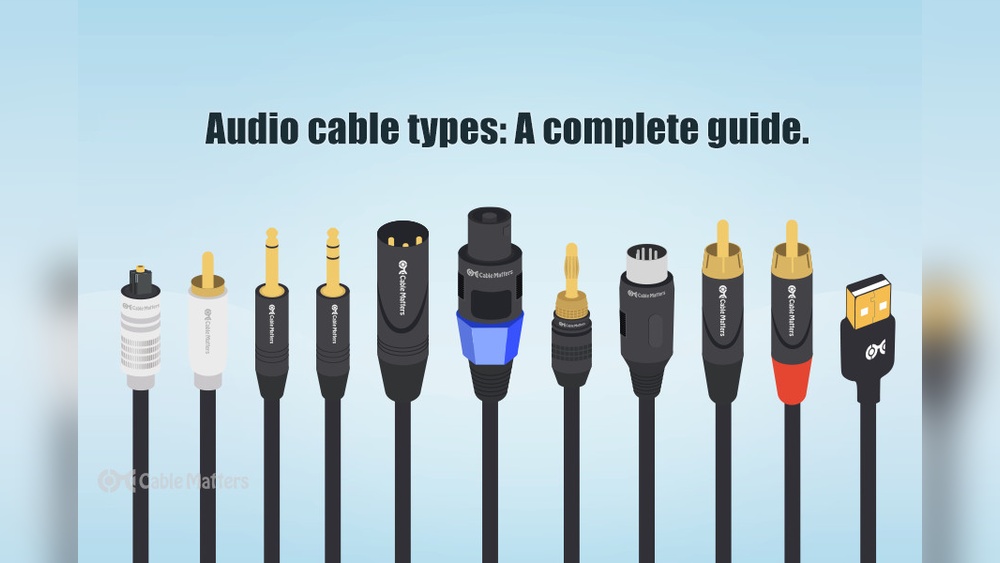
Are you tired of poor sound quality from your car speakers? The secret to crisp, clear audio often lies in the right speaker wire connector.
Choosing the best connector type can be confusing, but it doesn’t have to be. In this full guide, you’ll discover the different car speaker wire connectors available and how each one can improve your sound system. By the end, you’ll know exactly which connector fits your needs and how to install it easily.
Keep reading to unlock the full potential of your car’s audio!

Credit: www.cablematters.com
Common Car Speaker Wire Connectors
Car speaker wire connectors join wires to speakers or audio systems. They provide a secure connection and help sound travel clearly. Using the right connector keeps your audio system safe and working well.
Different connectors fit different needs. Some are simple and small. Others are strong and made for heavy use. Knowing common types helps you pick the best one for your car setup.
Butt Connectors
Butt connectors join two wires end-to-end. They are small tubes that hold wires inside. You need to crimp them with a tool for a tight fit. These connectors are good for quick repairs and simple joins.
Spade Connectors
Spade connectors have a flat, fork-like shape. They slide under screws or clips easily. This design makes them easy to connect and disconnect. They work well for speaker terminals in many cars.
Ring Terminals
Ring terminals have a round metal ring at the end. You attach them by screwing down the ring. This creates a strong, secure connection. They are often used for grounding wires or power connections.
Quick Disconnects
Quick disconnects allow fast connecting and disconnecting. They have a male and female part that snap together. These connectors save time during installation or repairs. They are common in car audio systems.
Bullet Connectors
Bullet connectors are small, cylindrical plugs. One side fits into the other like a bullet. They provide a solid connection and are easy to use. These connectors work well for speaker wires and small cables.
Credit: www.gearit.com
Materials And Build Quality
Choosing the right materials and build quality for car speaker wire connectors is key. Good materials ensure strong connections and clear sound. Poor quality parts can cause signal loss and damage. This guide helps you understand the common materials and their properties. It also covers insulation types and weather resistance. Knowing these details helps you pick connectors that last and perform well.
Copper Vs. Aluminum
Copper is the top choice for speaker wires. It conducts electricity well and resists corrosion. Copper wires provide clear sound and less signal loss. Aluminum is lighter and cheaper but not as good. It can oxidize quickly, causing poor connections. Copper connectors last longer and offer better sound quality. Aluminum may work for short-term use but is not ideal for car audio.
Insulation Types
Insulation protects the wire and prevents shorts. PVC is the most common insulation type. It is flexible and resists heat and abrasion. Rubber insulation offers better flexibility and durability. Silicone insulation works well in extreme temperatures. Quality insulation keeps wires safe from damage and interference. It also helps maintain sound clarity and system reliability.
Weather Resistance
Car speaker wires face moisture, heat, and dust. Weather-resistant connectors prevent corrosion and damage. Look for connectors with waterproof seals or coatings. These protect metal parts from rust and wear. Good weather resistance extends the life of your audio system. It also keeps the sound steady in all conditions.
Connector Sizes And Compatibility
Choosing the right connector size is key for car speaker wire setup. Proper sizes ensure strong, clear sound and safe connections. Compatibility matters to avoid loose or broken links. This section covers how to match wire gauge, speaker terminals, and amplifier connections for best results.
Wire Gauge Matching
Wire gauge shows the thickness of the speaker wire. Thicker wires carry more power with less loss. Use smaller gauge numbers for longer runs and high power. Match the wire gauge to your speaker’s power needs. For most cars, 16 or 18 gauge works well. Thin wires can cause weak sound or damage.
Speaker Terminal Types
Speakers have different terminal types for wire connections. Common types include spring clips, spade connectors, and binding posts. Spring clips are simple but fit only thin wires. Spade connectors slide under screws for a firm hold. Binding posts accept banana plugs or bare wire. Choose connectors that fit your speaker terminals tightly.
Amplifier Connection
Amplifiers need connectors that match their output terminals. Often, these are screw terminals or quick-disconnect plugs. Use connectors that fit snugly to avoid signal loss. Some amps support banana plugs for easy connection. Check the amplifier’s manual for recommended connector types. Proper connections improve sound quality and system reliability.
Installation Methods
Installing car speaker wire connectors correctly ensures a clear sound and strong connection. Proper installation helps avoid problems like loose wires or bad sound quality. There are several methods to connect speaker wires, each with its own tools and steps.
Crimping Techniques
Crimping is a fast and reliable way to join wires. It uses a special tool to press a metal connector onto the wire. First, strip the wire insulation carefully. Next, insert the wire into the connector. Then, use a crimping tool to squeeze the connector tightly. Check the connection by gently pulling the wire. A good crimp should hold firmly without damaging the wire.
Soldering Tips
Soldering creates a strong, permanent connection between wires. Start by stripping the wire ends. Twist the wires together for a better bond. Heat the wires with a soldering iron until hot. Apply solder to the heated wires, not the iron. Let the solder flow into the wires evenly. Remove the heat and let the joint cool. Avoid moving the wires while cooling to prevent weak joints.
Using Heat Shrink Tubing
Heat shrink tubing protects and insulates wire connections. Slide the tubing over the wire before connecting. After making the connection, move the tubing over the joint. Use a heat gun or lighter to shrink the tubing. The tubing tightens, sealing the connection from moisture and damage. This method improves durability and gives a clean finish.
Troubleshooting Connection Issues
Car speaker wire connectors can cause sound issues if they do not work well. Fixing connection problems helps improve audio quality. Troubleshooting is easy when you know what to check. This section explains common problems and solutions for car speaker wire connectors.
Common Signal Loss Causes
Signal loss often happens from loose wires or bad connections. Damaged wires can stop sound from reaching speakers. Wrong wire size also reduces sound quality. Check for cuts, breaks, or worn parts in the wire. Make sure connectors fit tightly and match the wire size.
Preventing Corrosion
Corrosion makes connections weak and blocks sound signals. Moisture and dirt cause corrosion on metal parts. Clean connectors with a soft cloth and rubbing alcohol. Use corrosion-resistant connectors or apply a protective spray. Keep wires dry and avoid exposure to water or mud.
Ensuring Secure Connections
Loose connections cause crackling or no sound at all. Push connectors firmly into place for a tight fit. Twist wire strands neatly before inserting into connectors. Use wire crimping tools to secure connections better. Double-check all connections before testing your speakers.
Credit: soundcertified.com
Buying Tips For Car Speaker Wire Connectors
Choosing the right car speaker wire connector improves sound quality and simplifies installation. This guide helps you pick connectors that fit your needs and budget. Consider durability and compatibility to avoid common issues. Follow these tips to make an informed choice.
Choosing The Right Connector Type
Select connectors that match your speaker wires and car system. Common types include spade, ring, and butt connectors. Spade connectors fit easily under screws. Ring connectors provide a secure hold. Butt connectors join wires end-to-end. Check your wire size before buying. Match connector size to wire thickness for a tight fit.
Evaluating Durability
Durable connectors resist heat and corrosion. Look for connectors made with quality metals like copper or brass. Insulated connectors protect against short circuits. Avoid cheap plastic connectors that break easily. Consider connectors with gold or nickel plating for better conductivity. Durable connectors last longer and maintain sound quality.
Budget Vs. Quality
Cheap connectors might save money but fail quickly. Quality connectors cost more but offer better performance. Balance your budget with the need for reliable connections. Avoid very low-cost options that lack insulation or proper metal. Investing a bit more helps avoid frequent replacements and sound problems.
Top Brands And Products
Choosing the right car speaker wire connectors ensures clear sound and easy installation. Top brands offer quality products that last long and fit well. Knowing these brands helps you pick the best connectors for your car audio setup.
Popular Connector Brands
Several brands lead the market with reliable car speaker wire connectors. Scosche is known for durable connectors and simple designs. KabelDirekt offers connectors with excellent conductivity and secure fit. Metra Electronics provides a wide range of connectors for different car models. Blue Sea Systems stands out for marine-grade and heavy-duty connectors. These brands focus on quality and ease of use.
Recommended Products
The Scosche 4 Gauge Speaker Wire Connector is perfect for strong and clear sound. KabelDirekt Speaker Wire Connector KitMetra Electronics Speaker Wire AdapterBlue Sea Systems Quick Disconnect Connector
Where To Buy
Car speaker wire connectors are available online and in stores. Amazon offers a wide selection with user reviews to guide choices. Best Buy stocks popular brands with expert advice in stores. Auto parts stores like AutoZone and Advance Auto Parts carry quality connectors. Buying from trusted sellers ensures genuine products and good support.
Frequently Asked Questions
What Are The Common Types Of Car Speaker Wire Connectors?
Common car speaker wire connectors include crimp connectors, solder connectors, quick-disconnects, and terminal blocks. Each type offers different ease of use, durability, and connection quality for car audio systems.
How To Choose The Best Car Speaker Wire Connector?
Choose connectors based on compatibility, connection strength, ease of installation, and corrosion resistance. Quality connectors ensure clear audio signals and long-lasting performance in your car’s environment.
Can I Use Crimp Connectors For Car Speakers?
Yes, crimp connectors are widely used for car speakers. They provide secure, vibration-resistant connections and are easy to install with the right tools.
Are Soldered Connections Better For Car Speaker Wires?
Soldered connections offer excellent conductivity and durability. They reduce signal loss but require more skill and time compared to crimp or quick-disconnect connectors.
Conclusion
Choosing the right car speaker wire connector is key for clear sound. Each type fits different needs and setups. Keep your wires secure to avoid sound problems. Simple connectors work well for most users. Take your time to pick the best one for your car.
Good connections help your speakers perform their best. Enjoy better music with the right wire connector choice.
