
Imagine you’re rushing to an important meeting or planning a weekend getaway. You hop into your car, turn the key, and Nothing. Your car won’t start. Frustrating, right? Understanding how to test your car starter can save you from these stressful situations. It’s easier than you think, and it can be the difference between a smooth ride and a day full of headaches.
You’ll learn simple steps to test your car starter, ensuring your vehicle is ready when you need it the most. So, let’s dive in and make sure your car is always ready to hit the road.
Understanding Car Starter Systems
Understanding car starter systems is crucial for vehicle maintenance. Starters play a key role in the ignition process. When you turn the key, the starter triggers the engine. Faulty starters can lead to car issues, making them essential to check regularly. Knowing the parts and function of starter systems helps maintain car health.
Components Of A Car Starter
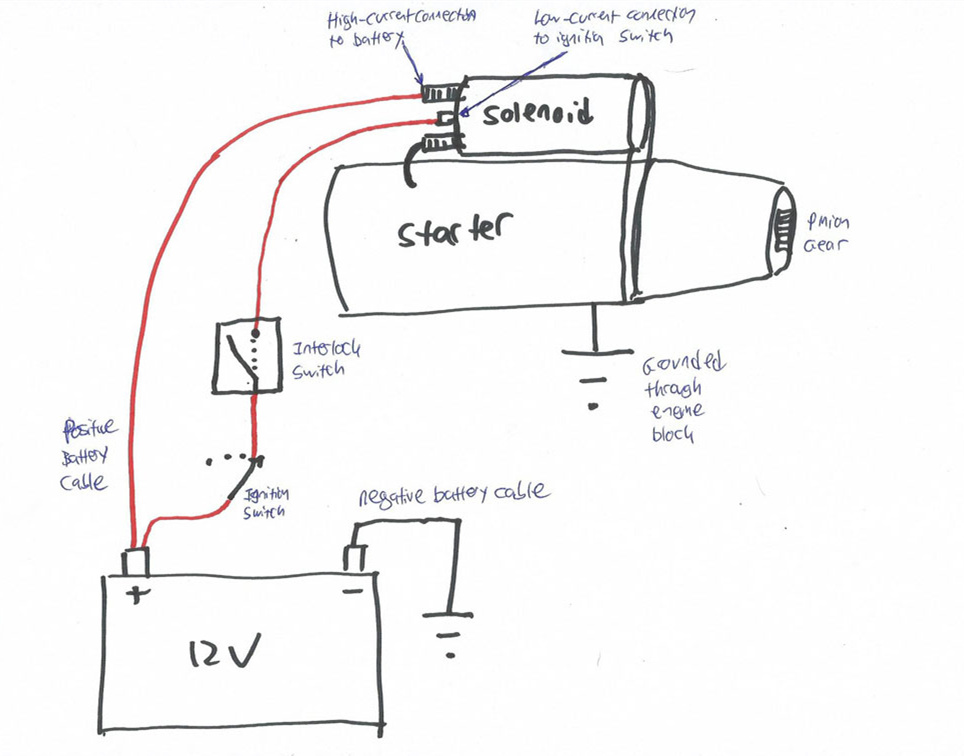
A car starter comprises several vital parts. The solenoid acts as a switch. It connects the battery to the starter motor. The starter motor turns the engine flywheel. This action starts the engine. The pinion gear engages with the flywheel. This allows the motor to spin the engine. A battery provides electrical power to the starter. Cables connect the battery to the starter system.
How Starter Systems Work
The starter system begins with the ignition key. Turning the key sends a signal to the solenoid. The solenoid switches on the starter motor. The motor receives power from the battery. It spins the pinion gear. The pinion gear engages the flywheel. This process turns the engine. Once the engine starts, the starter motor stops. The engine then runs independently.

Credit: www.wikihow.com
Common Starter Problems
Understanding common starter problems is crucial if you want your car to start smoothly every time. A malfunctioning starter can leave you stranded at the most inconvenient times. By recognizing the signs of starter issues and knowing the causes, you can take action before your car leaves you stuck.
Signs Of Starter Issues
Have you ever turned the key and heard nothing but silence? That’s a clear sign of a starter problem. If you notice a clicking sound but the engine won’t turn over, your starter might be struggling. Another sign is when your car’s interior lights dim when you try to start the engine.
Pay attention to how your car behaves. A sluggish start or frequent misfires might indicate that your starter needs attention. Ignoring these signs can lead to more significant issues down the road.
Causes Of Starter Malfunctions
One common cause is a weak battery. Without enough power, your starter won’t function properly. Corroded battery connections can also prevent the starter from receiving enough juice.
Another culprit could be worn-out starter parts. Over time, the components inside can degrade, leading to malfunctions. Additionally, electrical issues such as faulty wiring can disrupt the starter’s operation.
Have you considered the impact of frequent short trips? They can wear out your starter faster. Is your starter struggling due to excessive heat exposure? It’s worth checking if your car’s heat shielding is effective.
How often do you check your starter? Regular inspections can save you from unexpected breakdowns. Addressing starter problems early can prevent costly repairs and keep you on the road with confidence.
Tools Needed For Testing
Testing a car starter requires specific tools. These tools help diagnose issues efficiently. For accurate results, having the right equipment is crucial.
Ensure all tools are in good condition. This ensures safety and accuracy during testing.
Essential Tools
A multimeter is vital for testing a car starter. It measures voltage and resistance. This tool helps identify electrical issues.
A test light is another important tool. It checks current flow in circuits. Handy for quick diagnostics.
Starter relay testers can be useful. They help determine relay conditions. They are easy to use and reliable.
Basic hand tools are also necessary. These include wrenches and screwdrivers. Essential for accessing the starter.
Safety Equipment
Always wear safety gloves. They protect hands from sharp objects. Necessary for any car repair task.
Safety goggles shield eyes from debris. Important when working under the hood.
A fire extinguisher should be nearby. Useful in case of electrical fires. Safety first, always.
Ensure you have a stable working area. Use wheel chocks to prevent car movement. This provides additional safety.
Step-by-step Testing Process
Testing your car’s starter can be daunting, especially if you’re not particularly handy. But it doesn’t have to be. Understanding the step-by-step testing process can save you time and money, and even give you some peace of mind. Imagine the satisfaction of diagnosing a starter issue yourself, avoiding unnecessary trips to the mechanic. Ready to get your hands a little dirty? Let’s dive into the testing process!
Preparing The Vehicle
Before you start testing, ensure your vehicle is on a flat surface. Safety first, right? Put the gear in neutral and engage the parking brake. This prevents any unexpected movement. Disconnect the negative battery terminal to avoid any electrical mishaps. Have you ever accidentally sparked a connection? Not fun.
Conducting A Visual Inspection
Start by examining the starter motor and its components. Look for signs of corrosion or damage. Rusty terminals can cause poor connectivity. Are the wires intact? A frayed wire can easily disrupt the current flow. A quick visual inspection might reveal issues that require no fancy tools. Isn’t it surprising what a pair of eyes can detect?
Using A Multimeter
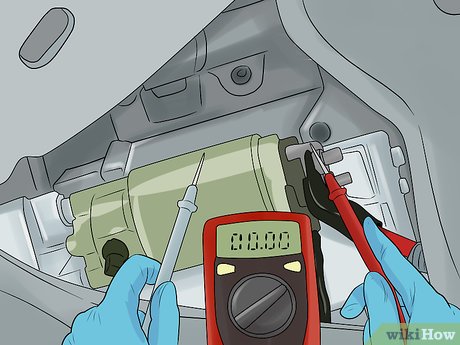
A multimeter is your best friend here. Set it to measure voltage and check the battery voltage first. It should be around 12 volts. Next, measure the voltage at the starter. Is it lower than expected? This might indicate a bad connection. Ever felt the frustration of a device not working because of a simple connection issue?
Testing The Solenoid
Solenoids are critical for starter function. Locate the solenoid on the starter and test it using the multimeter. Check for continuity and voltage. Is the solenoid clicking but not starting the engine? This could suggest a faulty solenoid. Don’t you love it when a small fix solves a big problem?
Now, what do you think? Ready to tackle that starter problem like a pro? This process can not only enhance your confidence but also empower you to take control of your vehicle’s maintenance. Why let small issues become big headaches when a bit of DIY can make a difference?
Troubleshooting Tips
Testing your car starter can sometimes seem challenging. Knowing what to check can save time and money. Follow these troubleshooting tips to diagnose issues effectively.
Addressing Common Problems
Start by checking the battery. A weak or dead battery often causes starter problems. Ensure the battery terminals are clean and tight. Inspect the wiring for any damage or corrosion. Loose wires might prevent a good connection.
Listen for clicking sounds. Clicking often indicates a faulty solenoid. Tap the starter lightly with a tool. This can sometimes free up a stuck solenoid. Check the starter motor itself. If it doesn’t spin, it might need replacement.
When To Seek Professional Help
If your starter still fails after checks, it’s time to consult an expert. Persistent issues might mean deeper electrical problems. Professional mechanics have the tools to test complex systems.
Experts can also identify if other parts affect the starter. A faulty ignition switch or relay might cause starter failures. Seeking help ensures a complete diagnosis and fix.
Credit: www.gzonechina.com
Maintaining Your Car Starter
Maintaining your car starter is crucial for a reliable vehicle. A well-maintained starter ensures your car starts smoothly every time. Neglecting it can lead to unexpected issues. Regular checks and preventive measures can extend its life. Here, we explore practices to keep your car starter in top shape.
Regular Maintenance Practices
Check the battery regularly. Ensure it holds a charge. Inspect wiring for wear or corrosion. Clean the connections to prevent buildup. Listen for unusual noises during start-up. They can indicate starter issues. Keep starter components free from dirt and moisture. Use a soft brush to clean.
Preventive Measures
Avoid frequent short trips. They strain the starter. Start the engine gently. Rapid starting can damage parts. Park in a garage if possible. Protects the starter from harsh weather. Monitor dashboard warning lights. They can signal starter problems. Schedule routine inspections with a mechanic. Early detection prevents costly repairs.

Credit: www.discountstarterandalternator.com
Frequently Asked Questions
How Can You Check If Your Starter Is Bad?
Test the starter by listening for clicking sounds when turning the key. Check for a no-start condition. Inspect for dimming headlights or slow engine cranking. Examine connections for corrosion. Verify the battery’s charge level.
Can I Test My Starter Without Removing It?
Yes, you can test your starter without removing it. Use a multimeter to check the voltage at the starter terminal while attempting to start the engine. A healthy starter should have a voltage drop less than 0. 5 volts. Ensure the battery is fully charged for accurate results.
How Do You Test A Car Starter With A Multimeter?
Set the multimeter to DC voltage. Connect the red probe to the starter’s positive terminal and the black probe to the ground. Have someone start the car. Check for a reading between 9. 6 and 10. 5 volts. If it shows less, the starter may be faulty.
Can Autozone Test A Starter Off The Car?
Yes, AutoZone can test a starter off the car. Bring your starter to any AutoZone store. Their staff will assist with testing using specialized equipment. This service helps identify starter issues without needing a vehicle. AutoZone aims to provide convenient, reliable diagnostic support for your automotive needs.
Conclusion
Testing a car starter ensures your vehicle runs smoothly. Regular checks can prevent unexpected problems. Listen for unusual noises. They might signal issues. Clean connections are important. Dirt can affect performance. Use a multimeter to check battery voltage. Low voltage can indicate a weak battery.
If problems persist, consult a mechanic. They have tools to diagnose issues accurately. A well-functioning starter enhances your car’s reliability. It keeps your travel stress-free. Remember, maintenance today saves trouble tomorrow. Keep your car in good condition. Drive with confidence every time.