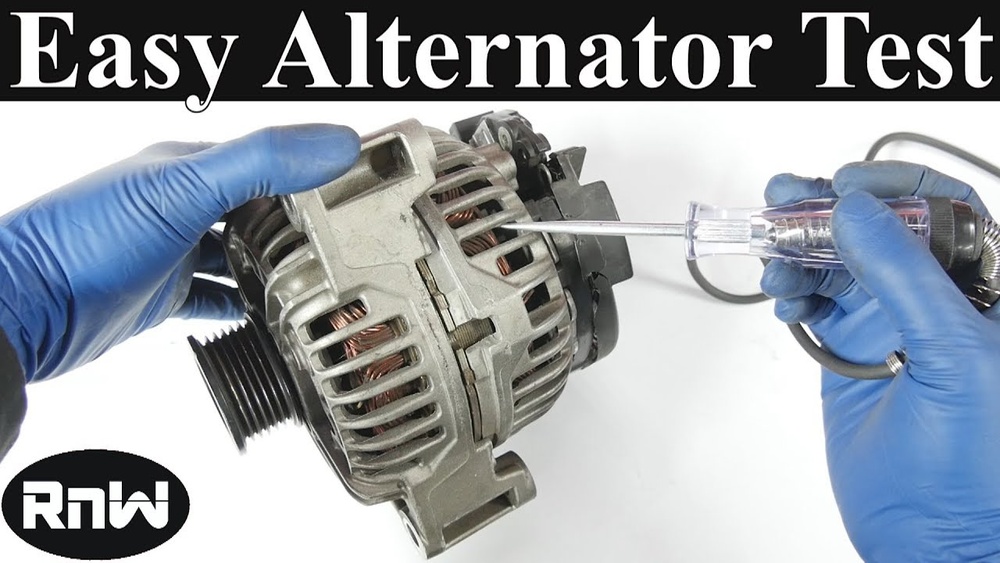
Is your car’s battery constantly dying, or are you hearing strange noises under the hood? These could be signs that your alternator isn’t working properly.
Knowing when and how to test an alternator can save you from unexpected breakdowns and costly repairs. You’ll discover simple, step-by-step methods to check your alternator’s health quickly. By the end, you’ll feel confident spotting problems before they leave you stranded.
Keep reading to learn how to protect your car and keep it running smoothly.
Signs Of Alternator Problems
Recognizing signs of alternator problems can save your vehicle from a breakdown. The alternator charges the battery and powers the electrical system. When it fails, many vehicle functions will suffer. Early detection helps avoid costly repairs and keeps your car running smoothly.
Common Warning Symptoms
Dimming headlights or flickering dashboard lights are common signs. Strange noises like grinding or whining may come from the engine area. A dead battery or trouble starting the car often signals alternator issues. Warning lights on the dashboard, especially the battery symbol, should never be ignored. Electrical accessories like power windows or radio might work slower than usual.
Impact On Vehicle Performance
A weak alternator affects engine power and fuel efficiency. The car may stall unexpectedly while driving. Electrical failures can cause problems with the ignition system. Reduced power can make acceleration sluggish and uneven. In some cases, the vehicle may not start at all. These problems can become dangerous if not addressed quickly.

Credit: www.youtube.com
Tools Needed For Testing
Testing an alternator requires specific tools to get accurate results. Using the right equipment helps identify problems quickly and safely. This section covers the essential tools needed for testing an alternator effectively.
Multimeter Essentials
A multimeter is the most important tool for testing an alternator. It measures voltage, current, and resistance. A digital multimeter with clear readings works best for beginners. Check for the battery voltage before starting the test. Use the multimeter to measure alternator output voltage. It should be around 13.8 to 14.4 volts when the engine runs.
Set the multimeter to the correct mode before testing. Use the DC voltage setting for most alternator tests. Test the battery and alternator terminals for voltage drops. This helps find wiring or connection issues. A reliable multimeter makes testing simpler and more accurate.
Additional Testing Equipment
Besides a multimeter, other tools can help diagnose alternator problems. A test light is useful for quick checks of circuit power. It shows if power flows through wires and fuses. A battery load tester checks battery health and charging ability. Weak batteries can mimic alternator problems.
Some mechanics use a clamp meter to measure alternator current without disconnecting wires. This tool helps spot charging issues under load. A basic socket set and screwdrivers are needed to access alternator terminals. Gloves and safety glasses protect you during testing.
Testing The Alternator Voltage
Testing the alternator voltage is a key step in checking your vehicle’s charging system. It shows if the alternator is working correctly. A good alternator keeps the battery charged and powers electrical parts. Low or no voltage means the alternator may have a problem. Follow these steps to test the voltage safely and accurately.
Checking Battery Voltage
Start by measuring the battery voltage with the engine off. Use a digital multimeter set to DC voltage. Connect the red probe to the positive battery terminal. Connect the black probe to the negative terminal. A healthy battery should show about 12.6 volts. If the voltage is below 12.4 volts, the battery might be weak or discharged. This step helps to know the battery’s condition before testing the alternator.
Measuring Alternator Output
Next, check the alternator output with the engine running. Keep the multimeter connected to the battery terminals. Start the engine and let it idle. The voltage should rise between 13.8 and 14.5 volts. This increase means the alternator is charging the battery properly. If the voltage stays the same or drops, the alternator may be faulty. Test the voltage again with the lights and electrical accessories on. The voltage should stay stable. If it drops, the alternator may not handle the load well.
Credit: electrical-engineering-portal.com
Load Testing The Alternator
Load testing the alternator shows how well it handles real working conditions. This test checks if the alternator can supply enough power while the engine runs. It helps find problems like weak output or failing parts. Performing a load test is key to keep your vehicle’s electrical system healthy.
Simulating Electrical Load
Start the engine and turn on several electrical devices. Use headlights, radio, air conditioning, and other power users. This creates a heavy electrical load for the alternator to handle. A load tester or multimeter can measure voltage and current during this process. The goal is to mimic how the alternator works in daily driving.
Interpreting Test Results
Check the voltage reading while the load runs. It should stay between 13.5 and 14.5 volts. A drop below 13 volts means the alternator may be weak or failing. If the voltage spikes above 15 volts, the regulator might have issues. Consistent voltage under load means the alternator works well and charges the battery properly.
When To Test The Alternator
Knowing when to test your alternator helps keep your car running smoothly. The alternator charges the battery and powers electrical systems. Testing it at the right time prevents breakdowns and costly repairs.
Routine Maintenance Timing
Test the alternator during regular car check-ups. This helps catch issues early. Many mechanics recommend checking it every 12,000 miles or once a year. Old cars need more frequent tests. Keeping a schedule avoids unexpected failures.
Testing After Symptoms Appear
Test the alternator if you notice warning signs. Dim headlights or flickering dashboard lights are common signals. A dead battery or slow engine start can also mean alternator trouble. Strange noises from the engine area deserve a check too. Early testing saves time and money.
Credit: www.familyhandyman.com
Troubleshooting Common Issues
Troubleshooting common alternator issues helps keep your car running smoothly. Many problems start small but can cause big trouble if ignored. Checking these issues early saves time and money. Simple tests show if the alternator or parts around it need fixing. Understanding these problems makes repairs easier and safer.
Faulty Wiring And Connections
Wiring issues often cause alternator problems. Loose or corroded wires stop electricity flow. This leads to weak or no charging. Look under the hood for damaged wires. Clean dirty connections with a wire brush. Tighten loose terminals carefully. Use a multimeter to test voltage at the battery and alternator. If voltage is low, fix or replace the wiring. Good connections improve charging and battery life.
Replacing The Alternator
Sometimes the alternator wears out completely. Signs include dim lights and dead battery. Test the alternator output before replacing it. Disconnect the battery to stay safe. Remove the belt and unbolt the alternator. Install the new alternator in the same place. Reconnect all wires and tighten bolts. Put the belt back on and check its tension. Start the car and test the voltage again. A new alternator restores proper charging and power.
Tips For Accurate Testing
Testing an alternator needs care and focus. Accurate testing helps find problems fast. Follow these tips to get clear results.
Safety Precautions
Always wear safety glasses to protect your eyes. Avoid loose clothes that can catch on parts. Work in a dry area to stop shocks. Disconnect the battery before starting any test. Use insulated tools to avoid electric shocks. Keep hands and tools away from moving engine parts.
Ensuring Reliable Measurements
Use a good quality multimeter for testing. Check the multimeter’s battery before use. Set the meter to the correct testing mode. Connect the meter leads firmly to the right points. Test the battery voltage first to get a baseline. Run the engine to check the charging voltage. Repeat tests to confirm the results are steady. Record your readings for future comparison.
Frequently Asked Questions
When Should I Test My Car’s Alternator?
Test your alternator when you notice dim lights, battery warning, or engine issues. Early testing prevents breakdowns and costly repairs.
How Do I Test An Alternator With A Multimeter?
Set the multimeter to DC volts. Start the engine and measure voltage at battery terminals. It should read 13. 8-14. 4 volts for a good alternator.
What Are Common Signs Of A Failing Alternator?
Common signs include dim headlights, dead battery, strange noises, and electrical issues. These symptoms indicate the alternator may need testing or replacement.
Can I Test An Alternator Without A Mechanic?
Yes, testing an alternator with a multimeter is simple and safe. Follow instructions carefully to avoid errors and ensure accurate results.
Conclusion
Testing your alternator helps keep your car running smoothly. Regular checks prevent sudden battery failures and costly repairs. Use simple tools like a multimeter to check voltage and output. Watch for signs like dim lights or strange noises. Early testing saves time and money.
Stay safe by testing in a well-lit area and following instructions. Keep your vehicle reliable by knowing when and how to test the alternator. A little effort goes a long way in car care.