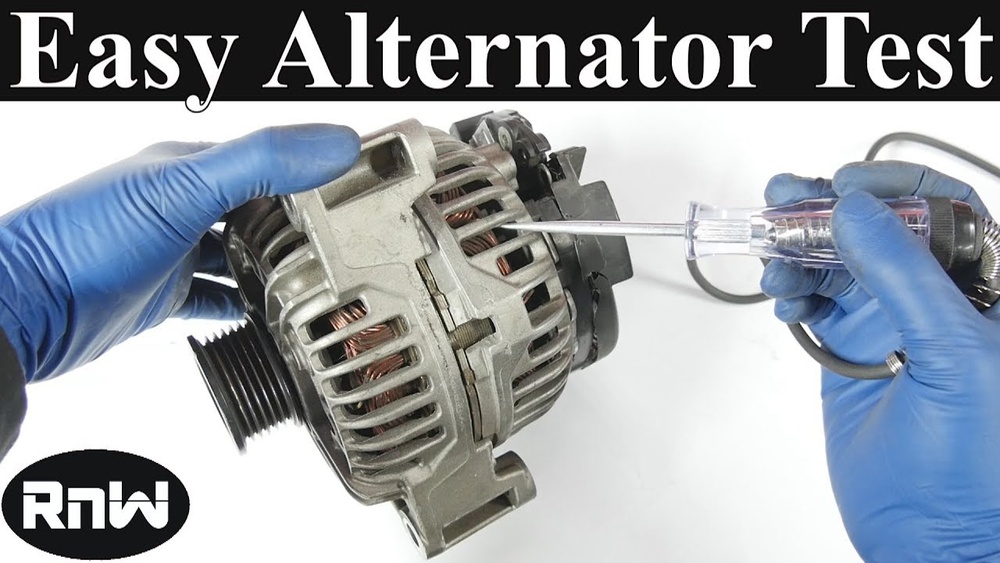
Your car’s alternator is very important. It helps keep your battery full of power. Without a good alternator, your car may stop working. So, it is smart to know how to check the alternator.
What Is an Alternator?
The alternator is a small machine inside your car. It makes electricity while the engine runs. It charges the battery and powers lights and other parts. If the alternator stops working, the battery runs out quickly. Then the car cannot start.
Why Should You Check the Alternator?
Sometimes the alternator can fail. This can cause many problems:
- Car won’t start: The battery dies because it is not charged.
- Lights get dim: Headlights or dashboard lights may be weak.
- Electrical parts work slow: Power windows or radio may act strange.
- Warning lights on dashboard: The battery or check engine light might turn on.
Checking the alternator helps you find problems early. You can fix it before it stops your car. This saves you time and money.
Signs Your Alternator Might Be Bad
Look for these signs to know if the alternator is weak:
- Warning lights: Battery, ALT, or check engine light on dashboard.
- Dimming headlights: Lights become less bright while driving.
- Flickering interior lights: Inside car lights blink or go off.
- Slow power windows or seats: Electric parts move slowly or not at all.
- Strange noises: Grinding, whining, or burning smells near the engine.
- Battery problems: Battery is often dead or weak even after charging.
- Loose or worn belt: The belt that turns the alternator may be loose or broken.
How to Check the Alternator
There are simple steps to check your alternator. You can do it at home with some tools. The easiest tool to use is a multimeter. It measures voltage and shows if the alternator works well.
Step 1: Prepare Your Tools
- Get a multimeter that can measure DC voltage (VDC).
- Make sure your car is parked and the engine is off.
- Wear gloves and safety glasses for safety.
Step 2: Check Battery Voltage
First, check the battery voltage when the car is off:
| Battery State | Voltage Reading | What It Means |
|---|---|---|
| Fully charged battery | 12.6 volts or more | Battery is good |
| Partially charged battery | 12.4 volts | Battery needs charging soon |
| Low battery | 12.0 volts or less | Battery is weak or dead |
Step 3: Start The Engine And Check Voltage
Now, start the car and check voltage again with the engine running:
- Voltage should be between 13.0 and 14.5 volts.
- If voltage is below 13.0 volts, alternator may not be charging.
- If voltage is above 14.5 volts, alternator may be overcharging.
Step 4: Apply An Electrical Load
Turn on the headlights, radio, and air conditioning. Then, check voltage again:
- Voltage should stay above 13 volts.
- If voltage drops a lot, alternator might be weak.
Step 5: Inspect The Alternator Belt
Look at the belt that turns the alternator pulley:
- Make sure the belt is tight and not loose.
- Check for cracks, frays, or wear on the belt.
- Replace the belt if it looks bad.
Safety Tips When Checking Alternator
- Never disconnect the battery while the engine runs.
- This can damage the alternator’s electronics.
- Work in a well-ventilated area.
- Keep hands and tools away from moving belts.
- If unsure, ask a mechanic for help.

Credit: electrical-engineering-portal.com
What to Do If Your Alternator Is Bad
If your tests show the alternator is bad, do not ignore it. Here are steps to follow:
- Visit a mechanic to get it fixed or replaced.
- Do not drive long distances with a bad alternator.
- Keep jumper cables handy in case the battery dies.
- Check the battery as well, since it may also need replacement.
Credit: www.familyhandyman.com
Summary: Why and How to Check Your Alternator
The alternator keeps your car’s battery charged. Without it, your car may stop. Watch for warning lights and strange sounds. Use a multimeter to test the voltage. Check the belt for wear. Follow safety rules to avoid damage. Fix problems early to save money and time.
Knowing how to check the alternator helps keep your car healthy. It is a simple skill that every car owner should learn.
Frequently Asked Questions
How Do I Check If My Alternator Is Bad?
Check for dashboard warning lights like “ALT” or battery symbol. Test voltage with a multimeter; it should read 13-14 volts running. Notice dimming lights or unusual noises. Inspect the drive belt for wear. Clean battery terminals and ensure tight connections.
How To Tell If An Alternator Is Draining The Battery?
Check for dimming lights, warning dashboard lights, or slow electrical accessories. Use a multimeter to test voltage; it should read 13-14 volts with the engine running. If voltage stays below 12. 6 volts or drops under load, the alternator may be draining the battery.
Can You Check An Alternator By Disconnecting The Battery?
Do not disconnect the battery to check the alternator. It can damage the alternator’s diodes and electronics. Use a multimeter to test voltage instead.
What Are The Three Most Common Causes Of An Alternator Failure?
The three most common causes of alternator failure are worn-out bearings, faulty voltage regulator, and damaged diodes. Overheating and loose drive belts also contribute to alternator issues. Regular inspections help prevent these problems and ensure proper alternator function.