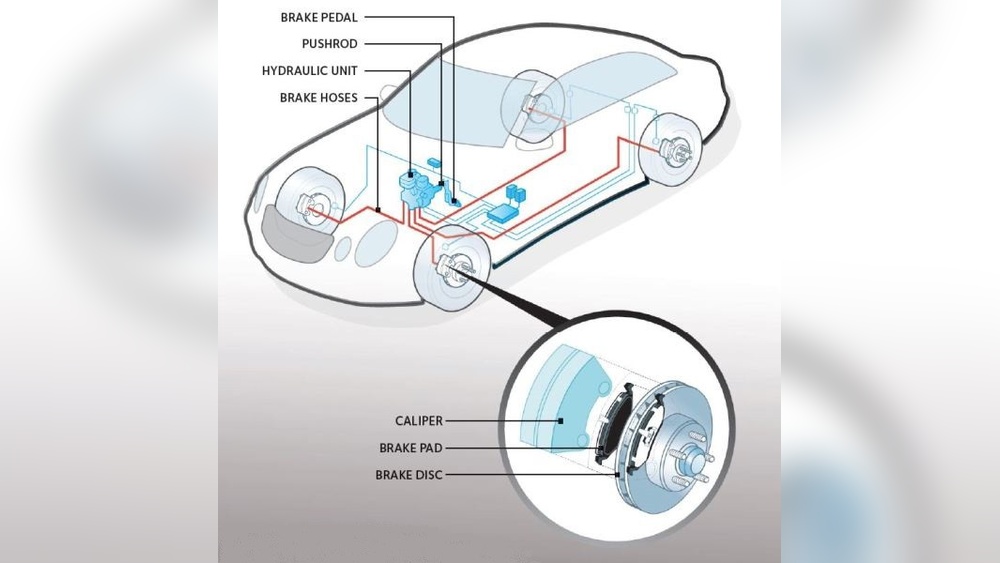
Brakes are very important in any vehicle. They help stop the car safely. But, do you know how the brake system works? This article will explain it in simple words. You will learn what happens when you press the brake pedal.
What Is a Brake System?
A brake system is a group of parts that work together. These parts help slow down or stop a vehicle. Without brakes, cars cannot stop. They would keep moving and cause accidents.
The brake system uses force to make the car stop. It changes your foot pressure on the pedal into stopping power on the wheels.
Main Parts of a Brake System
There are many parts in a brake system. Here are the most important ones:
| Part | What It Does |
|---|---|
| Brake Pedal | You press this with your foot to start braking. |
| Master Cylinder | It pushes brake fluid through the brake lines. |
| Brake Fluid | A special liquid that moves pressure to the brakes. |
| Brake Lines and Hoses | They carry brake fluid to brake parts at the wheels. |
| Calipers | These squeeze the brake pads onto the brake discs. |
| Brake Pads | They press on the brake discs to create friction. |
| Brake Discs (Rotors) | Discs that spin with the wheels and slow them down. |
How Does the Brake System Work?
Let’s look step by step at what happens when you press the brake pedal.
- You press the brake pedal. Your foot pushes the pedal down.
- The master cylinder activates. It pushes brake fluid through the lines.
- Brake fluid moves through the brake lines. This fluid carries pressure to the wheels.
- The calipers squeeze the brake pads. The pads press on the brake discs.
- Friction slows the brake discs. The discs slow down the wheels.
- The car slows down or stops. You are safe and in control.
This process uses a hydraulic system. Hydraulic means it uses liquid to move force. Brake fluid is special because it does not compress. This helps the brakes work well every time.
Why Is Friction Important in Brakes?
Friction is the force that stops the car. When brake pads press on the discs, they rub against each other. This rubbing creates heat. The heat slows the wheel from spinning.
Without friction, the car would not stop. It would keep moving. That is why brake pads and discs are made from materials that create good friction.

Credit: auto.howstuffworks.com
Types of Brake Systems
There are different types of brake systems. The most common are:
- Disc Brakes: Use brake pads and discs. Most modern cars use this type.
- Drum Brakes: Use brake shoes inside a drum. Some older cars have these.
- Hydraulic Brakes: Use brake fluid to move pressure. This is the most common.
- Air Brakes: Use air pressure instead of fluid. Usually on big trucks.
What Happens Inside a Disc Brake?
Disc brakes are common because they work well and cool fast. Here is what happens inside:
- The brake caliper holds the brake pads.
- When you press the brake, the caliper pushes the pads.
- The pads press on the spinning disc (rotor).
- Friction slows the rotor and the wheel.
Disc brakes cool quickly. This helps stop the car again and again without problems.
What Is Brake Fade?
Brake fade is when brakes stop working well for a short time. It happens when brakes get too hot. Heat reduces friction between pads and discs. The car takes longer to stop.
Brake fade can happen on long downhill roads or during hard braking. To avoid this:
- Do not brake hard for a long time.
- Use engine braking when going downhill.
- Keep your brake system well maintained.
How to Keep Your Brake System Healthy
Good brakes are very important for safety. Here are some tips to keep them working well:
- Check Brake Pads: Replace them if they are thin.
- Check Brake Fluid: Change it as your car manual says.
- Listen for Noises: Squeaking or grinding sounds mean trouble.
- Feel the Brake Pedal: If it feels soft or hard, get a check.
- Watch for Warning Lights: Your car may show a brake light.
What Is Brake Bedding-In?
When you get new brake pads or discs, they need to be “bedded-in.” This means using the brakes gently to help parts fit well together. Bedding-in helps make the brakes work smoothly.
Here is how to bed-in brakes:
- Drive slowly and avoid hard stops for the first few miles.
- Use gentle braking several times to heat the brakes.
- Let the brakes cool down between stops.
Proper bedding-in helps the brake pads and discs last longer. It also prevents problems like warped discs or poor stopping power.
Credit: www.howacarworks.com
Is It Expensive to Fix Brake Problems?
Fixing brake problems can cost money. But it is very important to fix them early. Small problems can become big and expensive later.
Here are some common brake repair costs:
| Brake Repair | Approximate Cost (USD) |
|---|---|
| Brake Pad Replacement | $100 – $300 |
| Brake Rotor Replacement | $200 – $400 |
| Brake Fluid Change | $50 – $100 |
| Full Brake System Repair | $300 – $800 |
Costs depend on the vehicle and the type of repair. Always use good parts and trusted mechanics for brake work.
Summary
The brake system is a key part of your car. It helps slow down and stop the vehicle safely. When you press the brake pedal, it moves brake fluid. The fluid pushes the brake pads. The pads press on discs and create friction. This friction stops the wheels from turning.
Brakes use simple parts but work in a smart way. Keeping brakes in good shape is very important for safety. Check your brakes often and fix any problems fast.
Now you know how the brake system works. It is a clever system that protects you every time you drive.
Frequently Asked Questions
How Does The Brake System Work Step By Step?
Pressing the brake pedal activates the hydraulic system. Brake fluid flows to calipers. Calipers push brake pads against discs. Friction slows the vehicle. This step-by-step process ensures safe stopping power.
How To Tell If A Brake System Is Bad?
Check for squeaking, grinding noises, or a soft brake pedal. Notice longer stopping distances or dashboard brake warning lights. Vibrations during braking also signal brake system issues. Address these signs promptly to ensure safety and avoid costly repairs.
What Is The 30/30/30 Rule For Brakes?
The 30/30/30 rule for brakes means driving gently for 30 miles, avoiding hard stops, and waiting 30 minutes after installation. This ensures proper brake pad and rotor bedding for optimal performance and longevity.
Is It Expensive To Fix A Brake System Issue?
Fixing a brake system issue can vary in cost. Minor repairs like pad replacement are affordable, while major repairs or fluid replacement cost more. Regular maintenance helps avoid expensive fixes and ensures safety. Always get a professional inspection to determine the exact repair needed and cost.