Car batteries are important. They help start your car. But how do you know if your battery is healthy? One way is by checking the battery voltage. This article will explain the normal battery voltage for a car. It will also guide you on how to check it and what to do if the voltage is low or high.

Credit: www.odbproject.org
What Is Car Battery Voltage?
Car battery voltage is the electrical power the battery holds. It is measured in volts (V). Most car batteries are 12-volt batteries. This means they produce about 12 volts of electricity when fully charged.
Voltage tells you how strong the battery is. If the voltage is low, the battery might not start the car. If it is too high, it could mean a problem with the charging system.
Credit: www.neware.net
Normal Battery Voltage When Engine is Off
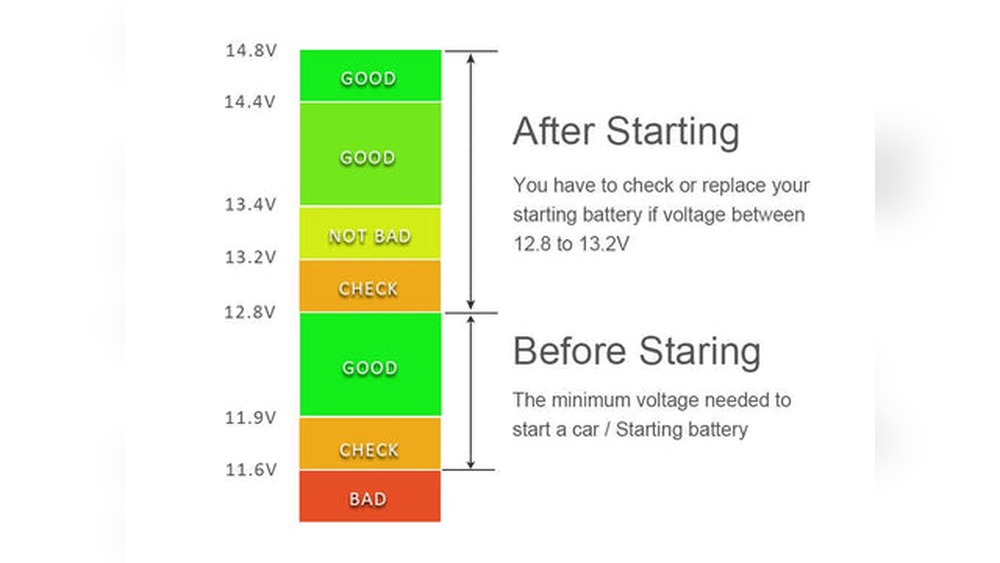
When your car engine is off, the battery should have a certain voltage. This is called the resting voltage. A healthy, fully charged car battery has a resting voltage of about 12.6 volts.
| Battery Condition | Voltage (Engine Off) |
|---|---|
| Fully Charged | 12.6 volts or higher |
| Partially Charged | 12.4 to 12.6 volts |
| Low Charge | 12.0 to 12.4 volts |
| Very Low Charge | Below 12.0 volts |
If your battery voltage is below 12.4 volts when the engine is off, it is not fully charged. It may need charging or replacement.
Normal Battery Voltage When Engine is Running
When the engine runs, the car’s alternator charges the battery. The battery voltage should be higher than when the engine is off. The typical voltage range is between 13.6 volts and 14.7 volts.
This range means the alternator is charging the battery properly. If the voltage is lower than 13.6 volts, the battery might not be charging enough. If it is higher than 14.7 volts, the charging system might be overcharging the battery, which can cause damage.
Why Is Battery Voltage Important?
- Starting the Car: The battery provides power to start the engine.
- Powering Accessories: It powers lights, radio, and other electronics when the engine is off.
- Charging System Check: Voltage helps check if the alternator works well.
Low battery voltage can cause your car not to start. High voltage can harm the battery and electrical parts.
How to Check Your Car Battery Voltage
You can check your battery voltage easily. You need a tool called a multimeter or a voltmeter. Follow these steps:
- Turn off your car engine and all accessories.
- Set the multimeter to measure DC voltage (usually 20 volts setting).
- Connect the red probe to the positive battery terminal (+).
- Connect the black probe to the negative battery terminal (-).
- Read the voltage on the multimeter display.
If you want to check the voltage while the engine is running, start the car first. Then follow steps 3 to 5.
What Does Low Battery Voltage Mean?
If the battery voltage is below 12.4 volts when the engine is off, it means the battery is not fully charged. If it is below 12 volts, the battery is very low. This can cause problems like:
- Car will not start or takes longer to start.
- Electrical accessories may work poorly.
- The battery may be old or damaged.
What To Do If Battery Voltage Is Low
- Recharge the battery: Use a battery charger to bring voltage up.
- Test the battery: If it does not hold charge, replace it.
- Check connections: Make sure battery terminals are clean and tight.
- Check the alternator: It may not be charging the battery properly.
What Does High Battery Voltage Mean?
If battery voltage is more than 14.7 volts when the engine runs, it means the battery is overcharging. This can happen if the alternator or voltage regulator is bad. Overcharging can cause:
- Battery overheating and damage.
- Shortened battery life.
- Damage to electrical parts.
What To Do If Battery Voltage Is High
- Have a mechanic check your alternator and voltage regulator.
- Replace faulty parts to avoid damage.
- Do not ignore this problem. It can be dangerous.
Summary of Car Battery Voltage Values
| Condition | Voltage (Engine Off) | Voltage (Engine On) |
|---|---|---|
| Fully Charged Battery | 12.6 volts or higher | 13.6 to 14.7 volts |
| Partially Charged Battery | 12.4 to 12.6 volts | 13.6 to 14.7 volts |
| Low Battery | 12.0 to 12.4 volts | Less than 13.6 volts (may not charge well) |
| Very Low Battery | Below 12.0 volts | May cause car not to start |
| Overcharging Battery | N/A | Above 14.7 volts (dangerous) |
Tips to Keep Your Car Battery Healthy
- Check battery voltage regularly with a multimeter.
- Keep battery terminals clean and free of corrosion.
- Drive your car regularly to keep the battery charged.
- Turn off lights and accessories when car is off.
- Replace an old battery before it fails.
Frequently Asked Questions
What Voltage Is Too Low For A Car Battery?
A car battery voltage below 12. 4 volts is considered low. At 12. 0 volts or less, the battery struggles to start the engine. Voltages under 11. 8 volts indicate a critically low charge, risking battery failure. Recharge or replace the battery if voltage stays too low.
Is 14.5 Battery Voltage Good?
A 14. 5V battery voltage is good and indicates the alternator is properly charging the battery while the engine runs.
Is 11.9 Volts Enough To Start A Car?
11. 9 volts is generally too low to start a car reliably. A healthy battery shows about 12. 6 volts at rest. Low voltage risks engine start failure, especially in cold conditions. Recharge or replace the battery to ensure proper starting power and avoid unexpected breakdowns.
What Voltage Will A Bad Car Battery Read?
A bad car battery typically reads below 12. 4 volts when the engine is off. Voltages under 12 volts indicate a weak or failing battery. A reading below 11. 8 volts usually means the battery is seriously discharged or damaged.
Always test with a battery tester for accuracy.
Conclusion
Knowing the normal battery voltage for your car is important. It helps you keep your car running well. A healthy car battery should have about 12.6 volts when the engine is off. When the engine runs, voltage should be between 13.6 and 14.7 volts.
Check your battery voltage often. If it is too low or too high, take action fast. This will save you from getting stuck with a car that won’t start. Remember, simple checks can keep your car battery healthy and working longer.
Always use simple tools like a multimeter to test your battery. If unsure, ask a mechanic for help. Your car battery is the heart of your vehicle’s electrical system. Treat it well.