Brakes help us stop cars safely. They are very important for driving. But how do brakes work? Let’s learn about the brake system.

Credit: www.lesschwab.com
What Is a Brake System?
A brake system helps slow down or stop a vehicle. It changes the car’s motion into heat. This process uses parts that work together. The main parts are brake pads, brake discs, brake fluid, and calipers.
Main Parts of a Brake System
| Part | What It Does |
|---|---|
| Brake Pedal | You press this to start braking. |
| Brake Fluid | It moves pressure through the system. |
| Calipers | They press the brake pads onto the discs. |
| Brake Pads | Create friction to slow the wheels. |
| Brake Discs (Rotors) | Spin with the wheels and get slowed by pads. |
How Does the Brake System Work Step by Step?
- You press the brake pedal with your foot.
- The pedal pushes a piston inside the master cylinder.
- This pushes brake fluid through brake lines.
- Brake fluid moves to each wheel’s caliper.
- The caliper pushes brake pads against the disc.
- Friction between pads and disc slows the wheel.
- The car slows down or stops.
Why Is Brake Fluid Important?
Brake fluid carries pressure from the pedal to the wheels. It does not compress, so pressure moves fast. This helps brakes work quickly and safely.
Brake fluid also protects parts from rust and heat. It must be clean and at the right level.
What Happens When You Press the Brake Pedal?
Pressing the brake pedal starts a chain reaction. The pressure moves through the brake fluid. This pressure pushes the caliper pistons. The pistons then squeeze the brake pads. The brake pads press on the discs. The discs spin with the wheels. When the pads press the discs, friction forms.
This friction changes the car’s energy to heat. Heat slows the discs and wheels down. The car loses speed and stops.
Types of Brake Systems
There are two main types of brakes:
- Disc Brakes: Use brake pads and discs. Most cars use these today.
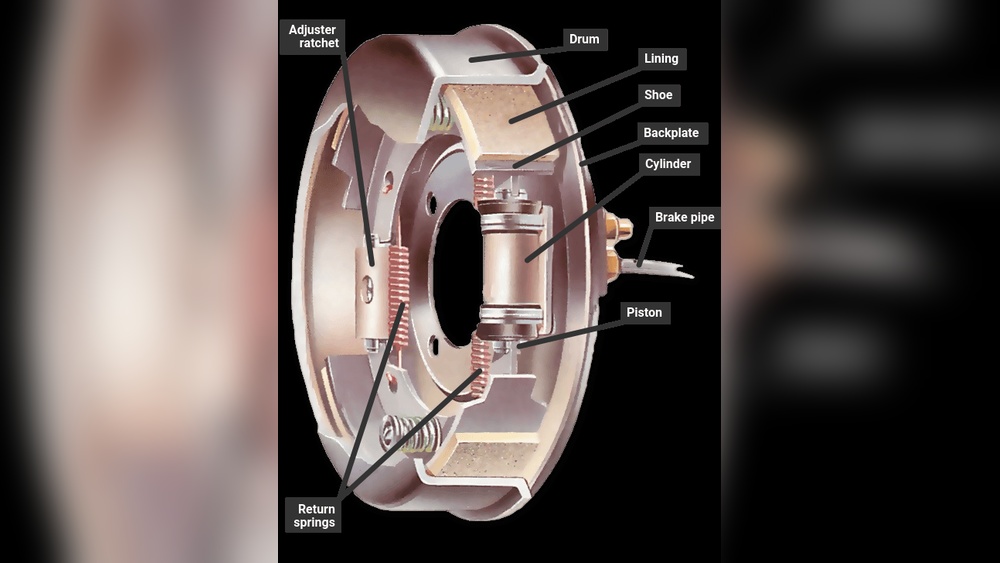
- Drum Brakes: Use brake shoes inside a drum. Older cars or some trucks have these.
Credit: www.howacarworks.com
Disc Brakes vs Drum Brakes
| Feature | Disc Brakes | Drum Brakes |
|---|---|---|
| Parts | Pads and discs | Shoes and drum |
| Cooling | Better, discs cool faster | Less cooling, drum traps heat |
| Performance | More powerful and reliable | Less powerful, used on rear wheels |
| Maintenance | Easier to check and replace | More complex to service |
Why Do Brakes Make Noise?
Sometimes brakes make a squealing or grinding sound. This can mean:
- Brake pads are worn out.
- Brake parts are dirty or rusty.
- Brake discs are damaged.
If brakes sound strange, get them checked soon.
What Is Brake Fade?
Brake fade happens when brakes get too hot. When hot, brakes lose power. The car takes longer to stop. It can be dangerous.
Brake fade happens with heavy use, like driving downhill. To prevent fade:
- Use engine braking to help slow down.
- Avoid riding the brakes for too long.
- Keep brake parts clean and in good shape.
How to Take Care of Your Brakes
Good brake care keeps you safe. Here are simple tips:
- Check brake fluid level regularly.
- Listen for strange brake noises.
- Have brakes checked by a mechanic yearly.
- Replace brake pads before they wear out.
- Avoid hard braking when possible.
What Happens When Brake Pads Are New?
New brake pads need time to work well. This is called “bedding-in.”
When bedding-in:
- Drive gently for the first few hundred miles.
- Avoid hard stops during this time.
- This helps brake pads and discs work well together.
Proper bedding-in stops problems like warped discs or noisy brakes.
Signs Your Brake System Needs Help
Watch for these signs:
- Car takes longer to stop.
- Brake pedal feels soft or sinks down.
- Strange noises when braking.
- Vibrations in the brake pedal or steering wheel.
- Brake warning light on the dashboard.
If you see these, visit a mechanic soon.
Is Brake Repair Expensive?
Brake repair cost varies. It depends on:
- Which parts need fixing or replacing.
- Type of vehicle.
- Where you live.
Replacing brake pads is usually affordable. Replacing discs or calipers costs more. Regular brake checks help avoid big repairs.
Summary
The brake system is key to safe driving. It uses many parts to stop your car. Pressing the brake pedal starts the process. Brake fluid moves pressure to the wheels. Calipers push brake pads onto discs. Friction slows the wheels and stops the vehicle.
Taking care of brakes means checking pads and fluid. Watch for brake noises or warning signs. Drive carefully, especially with new brakes. This helps keep your brakes working well for a long time.
Now you know how a brake system works. Stay safe and keep your brakes healthy!
Frequently Asked Questions
How Does The Brake System Work Step By Step?
Pressing the brake pedal activates the hydraulic system. Brake fluid transfers pressure to calipers. Calipers push brake pads against discs. Friction between pads and discs slows the vehicle. This process converts kinetic energy into heat, stopping the car efficiently and safely.
What Is The 30/30/30 Rule For Brakes?
The 30/30/30 rule for brakes means driving gently for 30 miles, avoiding hard stops for 30 minutes, and cooling brakes for 30 minutes. This process helps properly bed new brake pads and rotors, ensuring consistent stopping power and preventing damage like warped rotors or glazed pads.
How To Tell If A Brake System Is Bad?
A bad brake system shows signs like squealing, grinding noises, soft brake pedal, longer stopping distances, or dashboard warning lights. Check for brake fluid leaks or vibrations while braking. Address issues immediately to ensure safety and prevent costly repairs.
Is It Expensive To Fix A Brake System Issue?
Fixing a brake system issue varies in cost, typically ranging from affordable pad replacements to pricier rotor or hydraulic repairs. Regular maintenance helps reduce expenses and ensures safety.