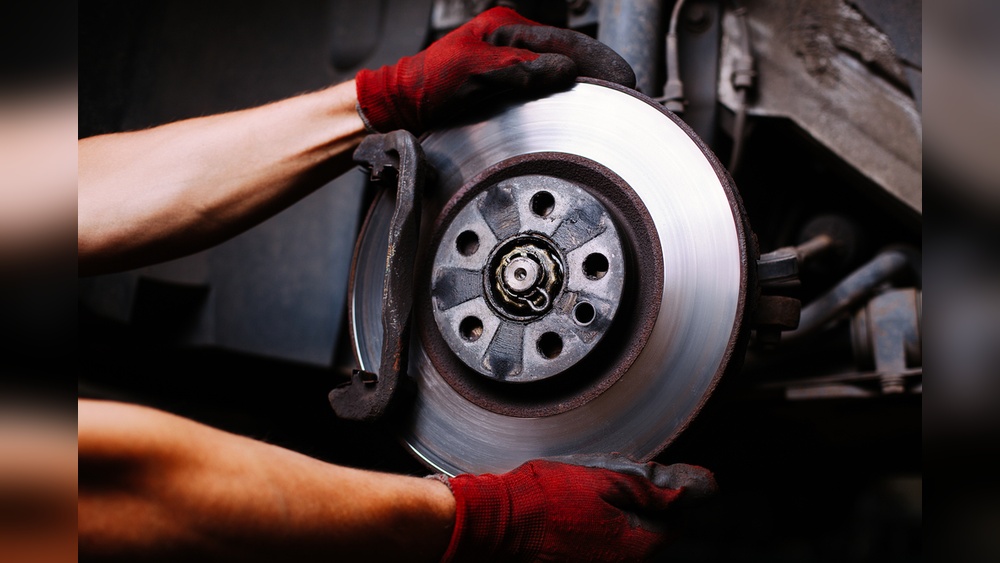
Car discs are an important part of a vehicle’s braking system. They help the car stop safely and quickly. Understanding how car discs work can help you take better care of your car. Here, we share simple tips to help you learn about car discs and how to keep them in good shape.

Credit: www.advicsaftermarket.com
What is a Car Disc?
A car disc is also called a brake disc or rotor. It is a round metal plate that is attached to the wheel. When you press the brake pedal, the brake pads press against the disc. This creates friction that slows the wheel down and stops the car.
How Does a Car Disc Work?
The brake disc works with other parts to stop your car. Here are the main steps:
- The brake pedal sends a signal to the brake system.
- The brake caliper pushes the brake pads against the disc.
- The brake pads press hard on the disc to create friction.
- This friction slows the disc and the wheel attached to it.
- The car slows down or stops.
The friction makes the disc very hot. To cool down, many discs have small holes or grooves. These help air flow and keep the disc from getting too hot.
Why Are Car Discs Important?
Car discs help your vehicle stop safely. Without good discs, your brakes will not work well. Bad brakes can cause accidents. Keeping your brake discs in good condition is very important for safety.
Signs Your Car Disc Needs Attention
Watch out for these signs that may mean your brake discs need care or replacement:
- Car takes longer to stop.
- You hear squeaking or grinding noises when braking.
- The brake pedal feels soft or spongy.
- Your steering wheel shakes when you press the brake.
- Visible cracks or deep grooves on the disc surface.
If you notice any of these, get your brakes checked soon.
Tips for Maintaining Car Discs
Here are some easy tips to keep your car discs working well:
- Check Discs Regularly: Look at your discs every few months or at oil changes.
- Replace Brake Pads on Time: Worn pads can damage discs.
- Avoid Hard Braking: Try to brake gently to reduce wear.
- Keep Discs Clean: Dirt and dust can cause damage over time.
- Use Correct Brake Fluid: Change brake fluid as recommended by the car maker.
- Allow Cooling: After hard braking, let your brakes cool before driving fast again.
Credit: oilchangers.com
How to Change Car Brake Discs
Changing brake discs is not too hard if you follow the steps carefully. Here is a simple guide:
| Step | What to Do |
|---|---|
| 1 | Lift the car and remove the wheel. |
| 2 | Remove the brake caliper carefully. |
| 3 | Take out the old brake pads and disc. |
| 4 | Clean the area and check for damage. |
| 5 | Install the new brake disc and pads. |
| 6 | Put the brake caliper back in place. |
| 7 | Put the wheel back on and lower the car. |
| 8 | Test the brakes gently before driving fast. |
Always follow the car maker’s instructions when changing brake parts. If unsure, ask a mechanic for help.
What is Brake Bedding-In?
Brake bedding-in means breaking in new brake pads and discs carefully. This process helps the parts work well together. It also makes the brakes last longer.
How To Bed Your Brakes
Follow these simple steps after installing new discs and pads:
- Drive slowly and avoid hard braking for the first 200-300 miles.
- Press the brake pedal gently several times.
- Gradually increase braking force as you drive.
- Do not stop the car while braking hard during the first few stops.
This process helps form a thin film on the disc. This film improves braking power and keeps the disc smooth. Proper bedding-in stops problems like warped discs or noisy brakes.
What is Brake Fade and How to Avoid It?
Brake fade happens when brakes get too hot and stop working well. This can be dangerous. Heat builds up when you brake hard many times in a row or go downhill for a long time.
To avoid brake fade:
- Use engine braking by shifting to a lower gear.
- Brake gently and avoid riding the brake pedal.
- Let your brakes cool down if they feel hot.
- Keep your brake discs and pads clean and well maintained.
How to Bleed Your Car Brakes
Bleeding brakes removes air from the brake system. Air can make brakes feel soft and unsafe. Here is a simple way:
- Park on a flat surface and secure the car.
- Fill the brake fluid reservoir with new brake fluid.
- Attach a clear hose to the bleeder screw on the farthest wheel.
- Put the other hose end in a container with brake fluid.
- Have a helper press the brake pedal slowly.
- Open the bleeder screw to let air and old fluid out.
- Close the screw before the helper releases the pedal.
- Repeat until fluid runs clear with no bubbles.
- Do this for all wheels, refilling fluid as needed.
A firm brake pedal means the air is out and your brakes work well.
Summary
Car discs help your vehicle stop safely. They work by using friction to slow the wheels. You should check them regularly and replace parts when needed. Proper care keeps brakes working well and lasts longer.
Remember these key tips:
- Watch for signs of brake problems.
- Change pads and discs as needed.
- Bed in new brakes carefully.
- Avoid hard braking to reduce wear.
- Bleed brakes to remove air.
- Keep discs clean and cool.
Following these tips will help your brakes work safely and keep you safe on the road.
Frequently Asked Questions
What Is The 30/30/30 Rule For Brakes?
The 30/30/30 rule for brakes means heating brake pads for 30 seconds, cooling for 30 seconds, and repeating 30 times. This process helps properly bed new pads and rotors, ensuring better braking performance and longer lifespan.
How Do Disc Brakes Work Step By Step?
Disc brakes work by pressing brake pads against a spinning disc rotor. The brake pedal activates hydraulic fluid, pushing pistons. Pistons force pads to clamp the rotor, creating friction. This friction slows the wheel rotation, stopping the vehicle efficiently. Heat dissipates through rotor vents.
How To Bleed Car Brakes On Your Own?
Secure the vehicle and fill the master cylinder with brake fluid. Attach a hose to the bleeder screw on the furthest wheel. Have a helper pump the brake pedal. Open the screw to release air and fluid, then close it before releasing the pedal.
Repeat for all wheels.
How To Make Disc Brakes Work Better?
Install new brake pads and rotors correctly. Bed brakes by gentle driving for a few hundred miles. Avoid hard braking to prevent warping and ensure consistent stopping power. Regularly check and maintain brake fluid and components for optimal performance.