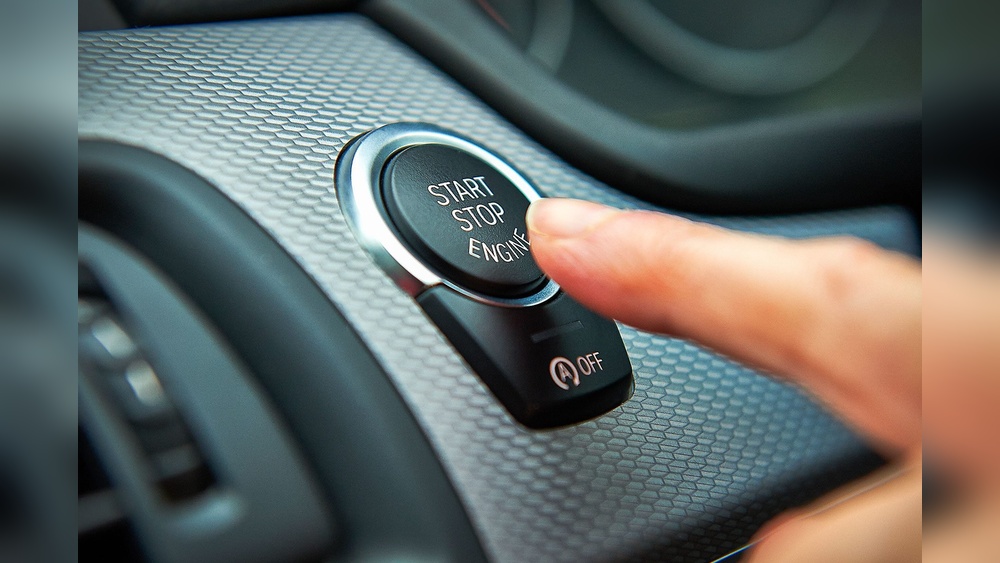
It can be scary when your car suddenly shuts off. You may wonder, “Why does my car shut off?” Many people face this problem. It happens to many car owners. Understanding why your car stops can help you fix it fast. This article explains the common causes simply.
What Does It Mean When a Car Shuts Off?
When a car shuts off, the engine stops running while you drive or when you are stopped. The car may lose power and turn off suddenly. This can be dangerous, especially on busy roads. It is important to know why this happens.
Common Reasons Why Your Car Shuts Off
There are many reasons a car might shut off. Some are easy to fix, others need a mechanic. Here are the main causes:
1. Electrical Problems
Cars need electricity to run. The battery and alternator give power to the engine and lights.
- Weak or Dead Battery: If the battery is old or not charged, the car may stop.
- Bad Alternator: The alternator charges the battery. If it fails, the battery runs out quickly.
- Faulty Ignition Switch: Problems with the switch can cut power to the engine.
- Wiring Issues: Loose or broken wires can stop the car from getting power.
2. Fuel System Issues
The engine needs fuel to run. Problems in the fuel system can cause the car to shut off.
- Clogged Fuel Filter: Dirt blocks fuel flow, causing the engine to starve.
- Bad Fuel Pump: The pump moves fuel from the tank to the engine. If it fails, fuel stops coming.
- Faulty Fuel Injectors: Injectors spray fuel into the engine. If clogged, the engine runs poorly.
3. Sensor Problems
Sensors help the car’s computer know what is happening. If sensors fail, the engine may stall.
- Crankshaft Position Sensor: Tells the engine when to fire. If bad, engine shuts off.
- Mass Air Flow (MAF) Sensor: Measures air coming into the engine. Faulty MAF can cause stalling.
- Oxygen Sensor: Helps control fuel mix. A bad sensor can lead to engine problems.
4. Engine Problems
Sometimes the engine itself has issues that cause it to stop.
- Overheating: If the engine gets too hot, it may shut down to protect itself.
- Vacuum Leaks: Air leaks in hoses cause the engine to run badly and stall.
- Clogged Exhaust Gas Recirculation (EGR) Valve: This valve helps reduce pollution. If clogged, it affects engine running.
- Internal Engine Failure: Serious problems inside the engine can cause it to stop.
5. Idle Control Problems
If your car shuts off when stopped, idle control parts may be the cause.
- Faulty Idle Air Control Valve: Controls engine speed when idle. If broken, car stalls at stop.
- Dirty Throttle Body: Dirt blocks air flow, causing rough idle or stalling.

Credit: www.reddit.com
What To Do When Your Car Shuts Off
If your car shuts off while driving, stay calm. Follow these steps:
- Pull over safely to the side of the road.
- Turn on your hazard lights to warn other drivers.
- Try to restart the car.
- If it starts, drive carefully to a mechanic.
- If it does not start, call for roadside help.
How a Mechanic Finds the Problem
A mechanic uses special tools to check your car. They connect a scanner to the car’s computer.
The scanner reads error codes. These codes tell the mechanic what part is wrong. Sometimes it is clear. Other times, more tests are needed.
Tips to Help Your Mechanic
Telling the mechanic when the car shuts off helps. For example:
- Does it shut off while driving fast?
- Does it stop only when you stop at a light?
- Does it happen when you press the gas pedal?
This information helps find the exact cause faster.
Preventing Your Car from Shutting Off
You can reduce the chance of your car shutting off by doing simple things:
- Check the fuel level often. Don’t run out of gas.
- Replace the fuel filter regularly.
- Keep the battery and alternator in good condition.
- Clean or replace dirty sensors and parts.
- Fix small engine problems early before they get worse.
Summary Table of Common Causes
| Cause | Symptoms | What To Check |
|---|---|---|
| Electrical Problems | Car loses power, won’t start | Battery, alternator, ignition switch, wiring |
| Fuel System Issues | Engine sputters, stalls, or won’t run | Fuel filter, fuel pump, fuel injectors |
| Sensor Malfunctions | Engine stalls, check engine light on | Crankshaft sensor, MAF sensor, oxygen sensor |
| Engine Problems | Overheating, rough running, stalls | Cooling system, vacuum leaks, EGR valve |
| Idle Control Issues | Stalls when stopped, rough idle | Idle air control valve, throttle body |
Credit: parksidemotors.ca
Final Thoughts
When your car shuts off, do not ignore it. Find the cause quickly. Fixing small problems early saves money and danger later. If unsure, always ask a trusted mechanic for help. Safe driving is the most important.
Frequently Asked Questions
Why Does My Car Shut Off Randomly?
A car shuts off randomly due to electrical faults, fuel delivery issues, sensor malfunctions, or engine problems like overheating or vacuum leaks. Check the battery, alternator, fuel pump, and sensors for faults. Professional diagnosis helps identify and fix the exact cause quickly.
Can A Bad Transmission Cause A Car To Shut Off?
A bad transmission can cause a car to shut off by disrupting power flow to the engine. Transmission issues may stall the engine during gear shifts or driving. Always have a mechanic diagnose transmission problems to prevent unexpected shutdowns and ensure safe driving.
Could A Bad Alternator Cause My Car To Shut Off?
A bad alternator can cause your car to shut off by failing to charge the battery properly. This leads to electrical power loss, causing the engine to stall while driving or idling. Regular alternator checks help prevent unexpected shutdowns and maintain vehicle reliability.
What Sensor Causes A Car To Shut Off?
The crankshaft position sensor often causes a car to shut off by sending incorrect engine data. Faulty MAF or idle air control sensors can also stall the engine. These sensors disrupt fuel and ignition timing, leading to engine shutdown. Professional diagnosis pinpoints the exact faulty sensor.