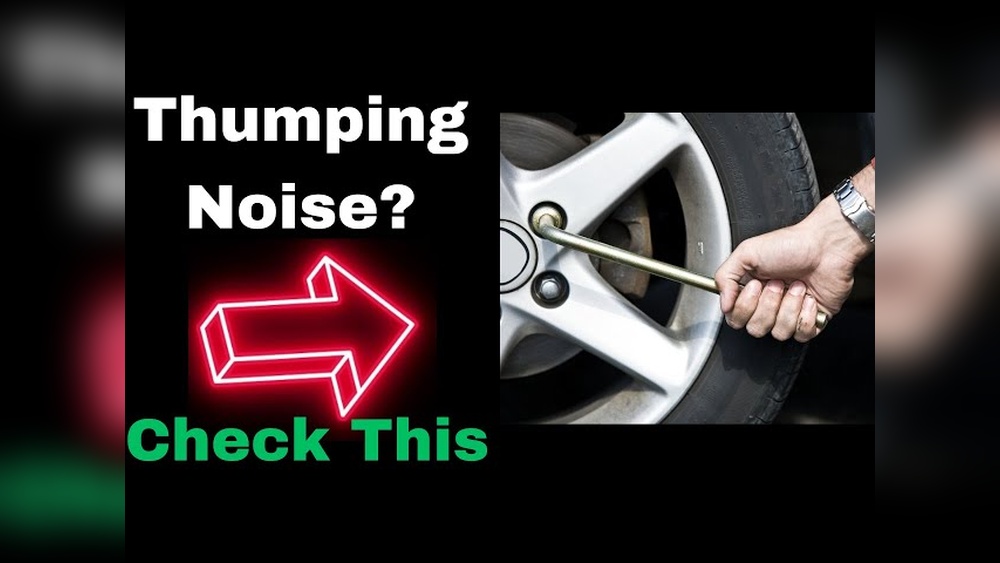
Have you ever felt that sudden thump from your car and wondered, “Why does my car thump?” It’s a confusing and sometimes scary experience. That unexpected noise could mean something simple or signal a bigger problem.
Understanding when and why this happens can save you time, money, and stress. You’ll discover the common reasons behind that thumping sound and learn exactly what you should do next. Keep reading—your car’s health might depend on it.

Credit: www.reddit.com
Common Causes Of Car Thumping
Car thumping is a common problem that many drivers face. It can be annoying and sometimes dangerous. Understanding the common causes helps you spot the issue early. This way, you can fix the problem before it gets worse. Below are the main reasons why your car might thump while driving.
Worn Out Tires
Tires wear down over time. Worn-out tires lose their smooth shape. This causes a thumping sound on the road. Uneven tire wear also leads to vibrations. Checking tire condition regularly prevents this issue.
Loose Wheel Bearings
Wheel bearings help your wheels spin smoothly. When they become loose, you hear a thumping noise. It also affects how your car handles. Loose bearings can be dangerous if ignored.
Damaged Suspension Components
The suspension system absorbs shocks from the road. Damaged parts like shocks or struts cause thumping. You may feel bumps more sharply. Suspension problems also reduce vehicle control.
Brake System Issues
Brake problems can cause strange noises. Warped brake rotors create a thumping sound. Worn brake pads also contribute to this noise. Brake system checks keep your car safe.
Problems With Cv Joints
CV joints connect the wheels to the car’s drive shaft. When they wear out, thumping noises appear. This happens especially during turns. Damaged CV joints need quick repair to avoid breakdowns.

Credit: www.whocanfixmycar.com
Identifying The Source Of The Thump
Hearing a thump from your car can be worrying. It signals a problem that needs attention. Finding where the noise comes from is the first step. This helps decide what to check and fix.
Several parts can cause the thump. Tires, wheels, bearings, suspension, and brakes all play a role. Each needs a quick look to spot issues. This section guides you through what to listen for and inspect.
Listening For Patterns
Notice when the thump happens. Does it occur while driving fast or slow? Is it steady or random? Pay attention to sounds during turns or braking. These clues narrow down the problem area.
Checking Tire Condition
Check tires for wear or damage. Look for bulges, cracks, or flat spots. Uneven tread or low pressure can cause thumps. Proper tire health keeps the ride smooth and safe.
Inspecting Wheels And Bearings
Spin each wheel to feel for roughness or noise. Loose or damaged bearings create thumping sounds. Check wheels for dents or bends. Secure wheels prevent wobbling and thumps.
Examining Suspension And Brakes
Look at suspension parts for wear or breaks. Worn shocks or struts cause bouncing and thumps. Inspect brake pads and rotors for damage. Faulty brakes can create thumping noises during stops.
Quick Fixes You Can Try
Car thumping sounds can be annoying and worrying. Some fixes are simple and quick. You might not need a mechanic for these. These tips help you solve thumping without much hassle.
Tire Rotation And Balancing
Uneven tire wear often causes thumping sounds. Rotating tires keeps them wearing evenly. Balancing tires stops vibrations while driving. Both prevent thumping noises from tires. Check your tires every 5,000 to 7,000 miles.
Tightening Loose Parts
Loose parts can create thumping noises. Check bolts, nuts, and screws around wheels and suspension. Tighten any loose parts with a wrench. This simple step can stop many thumps. Make sure you do not overtighten parts.
Replacing Worn Components
Worn parts like bushings or mounts cause thumps. Inspect suspension parts for cracks or damage. Replace any parts that look old or broken. New components restore smooth driving. This reduces noise and improves safety.
Brake Pad Inspection And Replacement
Worn brake pads can thump when braking. Remove wheels and check brake pads thickness. Replace pads if they are thin or cracked. Good brake pads stop noise and improve braking. Regular checks keep brakes working well.

Credit: www.youtube.com
When To Seek Professional Help
Knowing when to seek professional help for your car’s thumping noise is important. Some problems need quick attention to avoid bigger damage. Others can be signs of serious safety issues. Understanding these signs can save time and money.
Persistent Or Severe Thumping
Thumping that does not stop needs a mechanic’s check. Loud or strong thumps can mean worn tires or damaged suspension. Ignoring these noises may cause more harm to your car. A professional can find the exact cause and fix it.
Safety Concerns
Thumping noises while driving at high speed can be dangerous. Problems with brakes or wheels can affect control of the car. Strange sounds while turning or braking call for immediate help. Safety should always come first on the road.
Complex Mechanical Issues
Some thumping sounds come from hard-to-fix parts. Issues like engine problems or transmission faults need expert care. Trying to fix these alone may lead to costly mistakes. Trust a professional to handle complex repairs correctly.
Preventing Future Thumping
Preventing future thumping noises in your car keeps driving smooth and safe. Small checks and care stop many common causes of thumping. A little effort saves big repair bills later. Follow these simple tips to keep thumping away.
Regular Maintenance Tips
Regular maintenance helps catch problems early. Change oil and filters on time. Check belts and hoses for wear. Tighten loose parts to avoid rattles. Clean parts to prevent damage. Routine visits to your mechanic keep your car running well.
Proper Tire Care
Check tire pressure monthly. Low or high pressure causes uneven wear. Rotate tires every 5,000 to 7,000 miles. Inspect tires for cracks or bulges. Replace old or damaged tires quickly. Balanced and aligned tires prevent thumping noises.
Suspension Checks
Suspension parts wear out with use. Inspect shocks, struts, and springs regularly. Listen for clunks or rattles while driving. Replace worn suspension parts promptly. Good suspension keeps your ride smooth. It stops thumping caused by rough roads or worn parts.
Brake System Upkeep
Check brakes for noise and performance. Replace worn brake pads before damage occurs. Inspect brake rotors for warping or grooves. Clean brake components to avoid dirt build-up. Well-maintained brakes prevent thumping when stopping. Safety improves with proper brake care.
Frequently Asked Questions
Why Does My Car Make A Thumping Noise When Driving?
A thumping noise often means tire or wheel issues. It could be uneven tire wear, a bent rim, or unbalanced tires causing vibrations as you drive.
Can Worn Suspension Parts Cause Car Thumping Sounds?
Yes, worn suspension components like shocks or struts can cause thumping noises. Damaged suspension parts lead to poor road absorption and noticeable thumps over bumps.
How Do Tire Problems Lead To Thumping Noises?
Tire problems like flat spots, bulges, or uneven tread wear cause thumping sounds. These issues create irregular contact with the road, resulting in noticeable thumping.
Does A Failing Cv Joint Cause Thumping In Cars?
A failing CV joint can produce thumping noises, especially during turns. The joint’s wear or damage causes irregular rotation, leading to a rhythmic thumping sound.
Conclusion
A car thumping sound often signals a problem needing attention. It can come from tires, suspension, or engine issues. Ignoring the noise may cause more damage and higher costs. Regular car checks help catch problems early. Stay aware of unusual sounds while driving.
Fixing issues quickly keeps your car safe and smooth. Trust your ears—they tell you when something is wrong. Keep your vehicle in good shape for worry-free drives.