Have you ever wondered how long your engine will really last? Whether you’re driving a brand-new car or thinking about buying a used one, knowing your engine’s lifespan can save you time, money, and stress.
Understanding what affects engine durability helps you make smarter choices and keep your vehicle running smoothly for years. You’ll discover the key factors that determine engine life and learn practical tips to get the most out of your engine. Keep reading to protect your investment and enjoy worry-free driving.
Engine Lifespan Factors
Several factors affect how long an engine lasts. Understanding these factors helps you care for your engine better. Each factor plays a key role in engine lifespan and performance.
Engine Type And Design
Different engines have different lifespans. Smaller engines usually wear out faster than larger ones. Diesel engines often last longer than gasoline engines. Engine design also matters. Some designs focus on power, others on durability. Materials used affect strength and resistance to wear.
Maintenance Practices
Regular maintenance extends engine life. Changing oil on time keeps parts lubricated. Replacing filters prevents dirt from entering the engine. Checking fluids and belts avoids breakdowns. Ignoring maintenance causes faster engine wear and damage. Simple care helps engines run longer and smoother.
Driving Habits
How you drive impacts engine health. Gentle acceleration and braking reduce strain. Avoiding short trips keeps oil warm and clean. Driving at high speeds or heavy loads wears the engine faster. Idling for long periods wastes fuel and increases wear. Smooth driving helps engines last longer.
Environmental Conditions
Where you drive affects engine life. Hot climates can cause overheating and oil breakdown. Cold weather thickens oil and stresses parts. Dusty or sandy areas fill engines with harmful particles. Salt from coastal roads may cause corrosion. Clean and protect your engine from harsh conditions.
Credit: www.autoguide.com
Common Engine Lifespan Ranges
Engine lifespan varies by engine type and use. Knowing common lifespan ranges helps set realistic expectations. Each engine type has unique features affecting its durability. Understanding these ranges can guide maintenance and replacement plans.
Gasoline Engines
Gasoline engines usually last between 150,000 and 300,000 miles. Proper care like regular oil changes extends their life. Many factors affect lifespan, such as driving habits and climate. With good maintenance, some engines run well beyond 200,000 miles.
Diesel Engines
Diesel engines often last longer, typically 300,000 to 500,000 miles. They are built tougher to handle higher pressure. Diesel fuel also helps keep the engine cleaner. Many trucks and heavy vehicles rely on diesel for its durability.
Electric Engines
Electric engines differ because they have fewer moving parts. Their lifespan depends mainly on battery health and electronics. Electric motors can last over 200,000 miles with proper care. Battery replacement might be needed after 8 to 15 years.
Signs Of Engine Wear
Engines do not last forever. Over time, parts wear out and affect the engine’s function. Recognizing early signs of engine wear helps prevent serious damage. Knowing these signs can save money and keep your car reliable.
Performance Drops
The engine may feel weaker. Acceleration slows down. The car might struggle uphill. These are signs that internal parts wear down. Reduced power means the engine is losing efficiency.
Unusual Noises
Listen for knocking or ticking sounds. Strange noises may come from the engine block. These sounds show parts rubbing or failing. Noises indicate the engine needs attention soon.
Increased Fuel Consumption
Engine wear causes poor fuel use. You may fill gas more often. The engine burns more fuel to maintain power. This rise in fuel use signals engine problems.
Smoke And Emissions
Watch the exhaust smoke color. Blue or black smoke means oil or fuel issues. Excess smoke shows worn seals or rings. Increased emissions also point to engine wear.
Credit: www.kia417.com
Extending Engine Life
Extending the life of an engine means keeping it running smoothly for many years. A well-maintained engine saves money and avoids breakdowns. Small efforts can make a big difference in engine health. Follow these simple steps to help your engine last longer.
Regular Maintenance Tips
Check your engine often. Look for leaks, strange noises, or warning lights. Clean or replace air filters regularly. A clean filter improves air flow and engine performance. Keep your spark plugs in good condition. Replace them as needed to ensure smooth running.
Oil And Fluid Changes
Change engine oil on schedule. Fresh oil keeps engine parts moving without friction. Use the right oil type for your vehicle. Check other fluids like brake, transmission, and power steering. Keep all fluids at proper levels to avoid damage.
Cooling System Care
The cooling system stops the engine from overheating. Check coolant levels regularly. Flush and replace coolant as recommended. Inspect hoses and radiator for leaks or cracks. A healthy cooling system protects the engine from heat damage.
Timely Repairs
Fix engine problems quickly. Delaying repairs can cause bigger damage. Listen for unusual sounds or changes in performance. Address issues like oil leaks or smoke immediately. Timely repairs keep the engine running longer and better.
When To Consider Engine Replacement
Knowing when to replace your engine can save you money and stress. Engines wear down over time. Some last longer than others. Understanding signs of serious trouble helps you make the right choice. This section covers key points for deciding on engine replacement.
Cost Vs. Benefit Analysis
Engine repair costs can add up fast. Sometimes, fixing one problem leads to another. Compare the repair cost with the engine’s value. If repairs cost more than half the engine’s worth, replacement might be better. Consider how long the new engine will last. A new or rebuilt engine can add years of use.
Common Failure Points
Look for worn-out parts that often cause engine failure. These include the head gasket, pistons, and bearings. Signs like smoke, knocking sounds, or oil leaks point to these issues. Check for overheating or loss of power. These problems usually mean deep engine damage. They can signal it’s time for replacement.
Rebuild Vs. Replace
Rebuilding an engine means fixing or changing worn parts. It costs less than a full replacement. But rebuilds may not last as long. Replacement means installing a new or used engine. It can be more reliable but costs more. Choose based on budget, engine condition, and how long you want to keep your vehicle.
Technological Advances Impacting Engine Longevity
Engines last longer today because of many new technologies. These advances help parts work better and stay strong. They also help engines run more smoothly and use fuel well. This section explains key improvements that help engines live longer.
Improved Materials
New materials make engine parts tougher and lighter. Metals now resist heat and wear better than before. This means parts break less and last more miles. Also, some plastics and composites protect parts from rust and damage.
Advanced Engine Management
Modern engines use smart computers to control fuel and air. These systems adjust settings constantly for best performance. They reduce stress on parts and prevent damage. Sensors detect problems early and help avoid big repairs.
Hybrid Engine Benefits
Hybrid engines combine gas and electric power. This mix reduces engine load and heat. Less load means less wear on parts and longer life. The electric motor helps during stops and starts, cutting engine strain.
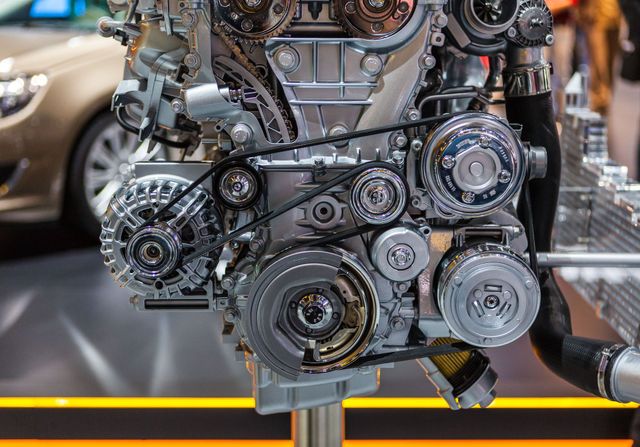
Credit: www.enginereplacementofatlanta.com
Frequently Asked Questions
How Long Does A Car Engine Typically Last?
A car engine usually lasts between 150,000 to 300,000 miles. Proper maintenance and timely oil changes extend engine life significantly.
What Factors Affect Engine Longevity The Most?
Engine life depends on maintenance, driving habits, fuel quality, and climate. Neglecting these factors shortens engine lifespan drastically.
Can Regular Oil Changes Extend Engine Life?
Yes, regular oil changes reduce friction and wear, keeping the engine running smoothly. This practice greatly extends engine durability.
How Does Driving Style Impact Engine Durability?
Aggressive driving causes more engine stress and heat, leading to faster wear. Smooth, steady driving helps engines last longer.
Conclusion
An engine’s lifespan depends on care and driving habits. Regular oil changes keep it running smooth. Avoid harsh driving to reduce wear and tear. Watch for warning signs and fix issues quickly. Good maintenance helps your engine last longer. Remember, every engine is different, but proper care always pays off.
Take simple steps today for a stronger engine tomorrow.