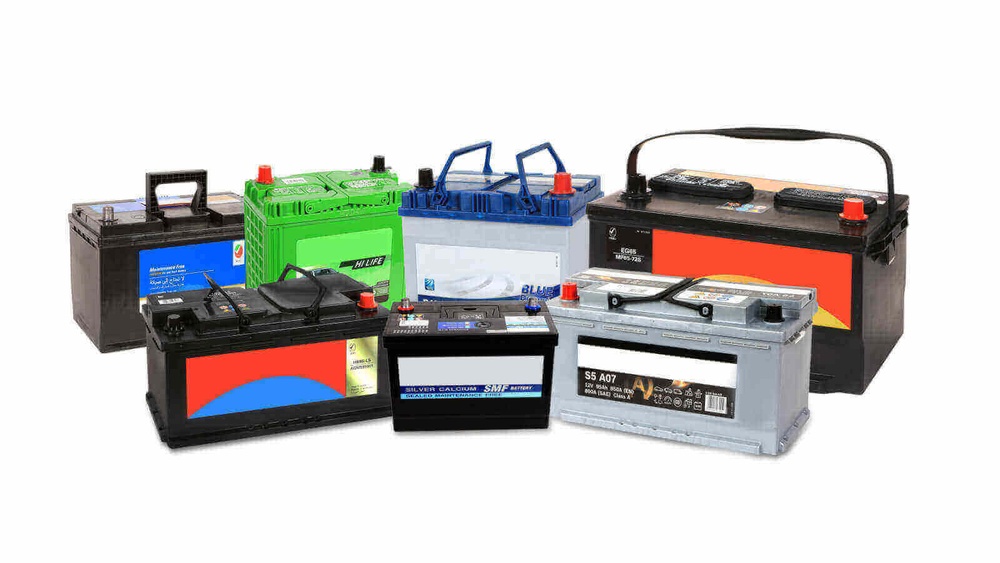
Are you confused about the different types of car batteries and which one suits your vehicle best? Understanding the options can save you time, money, and unexpected trouble on the road.
Your car’s battery is more than just a power source—it’s the heart of your vehicle’s electrical system. Choosing the right type can improve your car’s performance and lifespan. Keep reading to discover the key differences between car batteries, so you can make a smart choice that keeps you moving without worry.
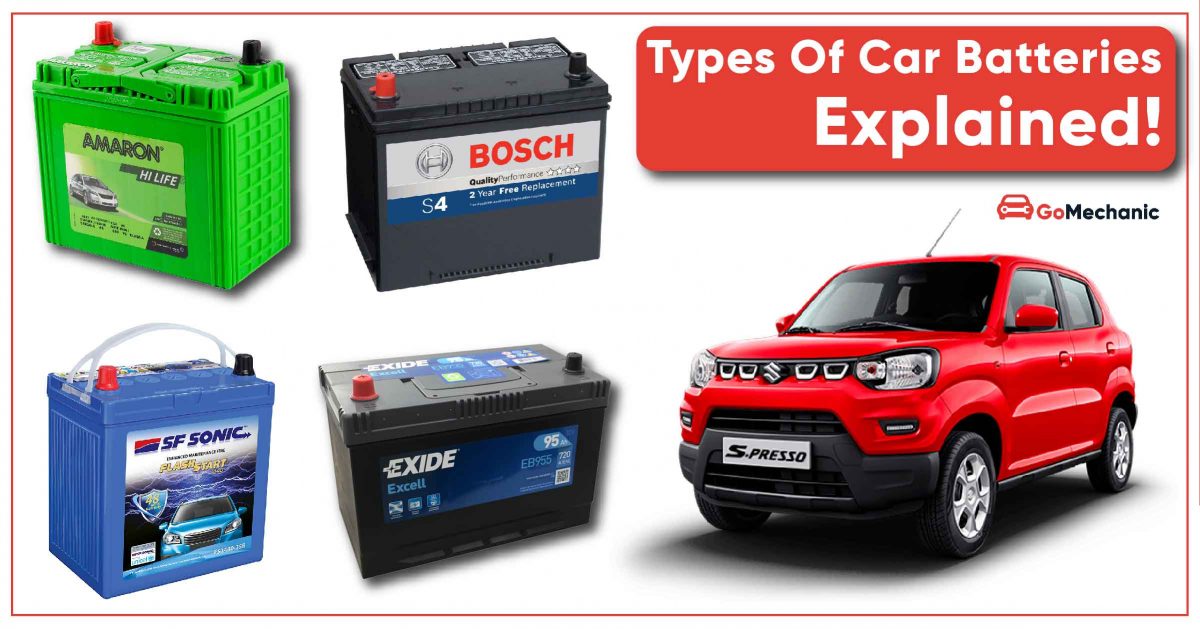
Credit: gomechanic.in
Types Of Car Batteries
Car batteries come in several types. Each type suits different needs and vehicles. Knowing the types helps in choosing the right battery for your car.
Different batteries offer various benefits like longer life, better power, or lower maintenance. Here are the common types of car batteries you should know about.
Lead-acid Batteries
Lead-acid batteries are the oldest and most common type. They use lead plates and acid to store energy. These batteries are affordable and reliable. Most standard cars use lead-acid batteries. They need regular maintenance to keep working well.
Absorbent Glass Mat Batteries
Absorbent Glass Mat (AGM) batteries use a special glass mat to hold the acid. This design prevents leaks and improves durability. AGM batteries charge faster and last longer than regular lead-acid types. They work well in cars with many electronic devices.
Gel Cell Batteries
Gel cell batteries contain a thick gel instead of liquid acid. This gel stops acid from spilling or leaking. Gel batteries are good for rough roads and hot climates. They need less maintenance and last longer in tough conditions.
Lithium-ion Batteries
Lithium-ion batteries are lightweight and powerful. They hold more energy and recharge quickly. These batteries are common in electric cars. They cost more but offer better performance and longer life. Lithium-ion batteries need special chargers and care.
Nickel-metal Hydride Batteries
Nickel-metal hydride (NiMH) batteries are used in hybrid cars. They have a good energy capacity and last longer than lead-acid types. NiMH batteries are safer and less toxic. They work well in different temperatures and need low maintenance.
Lead-acid Battery Features
Lead-acid batteries are one of the oldest types of car batteries. They have been used for many years because of their reliability and cost-effectiveness. These batteries provide a steady power supply to start the engine and run electrical systems in vehicles. Understanding their features helps in choosing the right battery for your car.
Construction And Design
Lead-acid batteries consist of lead plates submerged in an acid solution. The plates act as electrodes, and the acid acts as an electrolyte. The battery case is usually made of hard plastic to hold the acid safely. Inside, multiple cells work together to produce the needed voltage. This design is simple but effective for cars.
Advantages And Disadvantages
Lead-acid batteries are affordable and easy to recycle. They deliver high surge currents, perfect for starting engines. They also perform well in cold weather. On the downside, they are heavy and have lower energy density compared to newer battery types. They require regular maintenance to keep acid levels correct. Over time, they may suffer from sulfation, reducing their lifespan.
Common Applications
These batteries are widely used in cars, trucks, and motorcycles. They also power backup systems and small boats. Their ability to provide a strong start makes them popular in vehicles. Many older and budget-friendly cars still rely on lead-acid batteries. They are a trusted choice for everyday driving needs.
Agm Battery Benefits
AGM batteries offer many benefits that make them popular in many cars. They use Absorbent Glass Mat technology, which improves safety and efficiency. These batteries handle power demands better than traditional lead-acid types. Their design helps prevent leaks and damage, making them more durable. Understanding their benefits helps choose the right battery for your car.
Performance Characteristics
AGM batteries deliver strong power bursts for starting engines. They have low internal resistance, which boosts efficiency. These batteries charge faster than regular ones. They resist vibrations, reducing the risk of damage. AGM batteries also perform well in cold weather. Their design allows for deep cycling without losing capacity.
Maintenance Needs
AGM batteries require very little maintenance. They are sealed, so no need to add water. This design reduces the risk of spills and corrosion. Checking the charge level is simple with these batteries. They have a longer lifespan compared to traditional batteries. Regular cleaning of terminals helps keep them in good shape.
Ideal Use Cases
AGM batteries suit vehicles with high electrical demands. They work well in cars with start-stop systems. These batteries are ideal for off-road vehicles and trucks. They fit well in boats and recreational vehicles too. AGM batteries handle extreme temperatures better. Their durability makes them perfect for demanding driving conditions.
Gel Cell Battery Insights
Gel cell batteries offer a unique choice for many car owners. They use a special gel electrolyte that sets them apart from regular batteries. This design helps improve performance and safety in various conditions.
Understanding how gel batteries work and their benefits can help you decide if they fit your car’s needs. Here are key insights about gel cell batteries.
How Gel Batteries Work
Gel batteries use a thick, jelly-like substance as their electrolyte. This gel holds the acid in place and stops it from spilling. The gel slows down the movement of ions, which helps reduce water loss. This means gel batteries can work well even if the battery is tilted or shaken.
Durability And Lifespan
Gel batteries last longer than many standard batteries. They resist damage from vibrations and shocks, making them strong for rough roads. Their sealed design prevents leaks and corrosion. These qualities help gel batteries keep their charge longer and need less maintenance.
When To Choose Gel Batteries
Gel batteries suit cars used in tough conditions or off-road. They work well in hot climates because the gel does not evaporate easily. Choose gel batteries if your car battery faces vibrations or tilting. They also fit well in vehicles that need a reliable, long-lasting power source.
Lithium-ion Battery Growth
Lithium-ion batteries are becoming more common in cars. Their growth is changing how vehicles store and use energy. These batteries last longer and perform better than older types. They are lighter and can store more power. This makes cars more efficient and helps reduce pollution.
Technology Advances
New technology improves lithium-ion batteries every year. Scientists find ways to make them charge faster. They also increase battery life and safety. These advances help electric cars travel farther on a single charge. Improvements in battery design make them more reliable.
Energy Density And Weight
Lithium-ion batteries store more energy in less space. This means they are smaller but stronger than older batteries. They also weigh less, which helps cars use less fuel. A lighter car moves easier and drives better. High energy density supports longer driving distances.
Cost And Availability
The cost of lithium-ion batteries is dropping quickly. More factories produce these batteries worldwide. This makes them easier to find and buy. Lower prices help more people afford electric cars. Wider availability supports the growth of clean transportation.

Credit: www.windshieldexperts.com
Nickel-metal Hydride Battery Traits
Nickel-Metal Hydride (NiMH) batteries are popular in some car models. They offer a balance between power and environmental safety. These batteries store energy using a metal hydride compound. They are known for their longer life and reliability. NiMH batteries do not contain toxic heavy metals. This makes them a greener choice compared to some older battery types.
Comparison With Other Types
NiMH batteries hold more energy than nickel-cadmium batteries. They have less memory effect, which means better performance over time. Compared to lead-acid batteries, NiMH is lighter and more compact. Yet, they usually cost more than lead-acid types. They also have lower energy density than lithium-ion batteries. NiMH is safer and easier to recycle.
Charging And Discharging
NiMH batteries charge faster than lead-acid batteries. They work well with standard chargers. Overcharging can reduce battery life, so smart chargers are best. These batteries handle many charge cycles before losing capacity. They discharge slowly, which keeps them ready for use. They tolerate cold temperatures better than some other batteries.
Usage Scenarios
NiMH batteries fit well in hybrid cars. They provide steady power for electric motors. These batteries also suit small to medium vehicles. They are common in electric scooters and bikes. NiMH suits drivers who want reliable and eco-friendly options. They do well in daily driving and stop-start traffic.
Battery Maintenance Tips
Proper battery care keeps your car running smoothly. Good maintenance extends battery life and prevents unexpected failures. Simple steps help avoid costly repairs and roadside troubles.
Checking Battery Health
Inspect the battery regularly for cracks or leaks. Look at the terminals for corrosion or dirt. Use a voltmeter to check voltage levels. Healthy batteries usually show 12.6 volts or more. Low voltage means the battery may need charging or replacement.
Proper Charging Methods
Use the right charger for your battery type. Avoid overcharging, which damages cells and reduces lifespan. Charge slowly with a low amp setting. Fast charging can cause overheating. Always follow manufacturer guidelines for charging times.
Storage Recommendations
Store batteries in a cool, dry place during long breaks. Remove the battery if the car will not be used for weeks. Keep the battery clean and dry to prevent corrosion. Charge the battery every few weeks to maintain power. Avoid leaving a battery fully discharged for long periods.
Choosing The Right Battery
Choosing the right car battery is important for your vehicle’s performance. A proper battery ensures smooth starts and reliable power. Different types of batteries suit different needs. Selecting the best one means understanding your vehicle and usage.
Factors To Consider
Look at the battery size and type recommended for your car. Check the cold cranking amps (CCA) to match your climate. A higher CCA helps in cold weather starts. Also, consider the battery’s reserve capacity for longer power supply. Safety features and warranty periods are key too.
Matching Battery To Vehicle Needs
Small cars need smaller batteries with moderate power. Large vehicles or trucks require batteries with higher power output. Hybrid and electric cars often need special battery types. Think about your driving habits. Frequent short trips need different batteries than long drives. Match the battery to how you use your vehicle.
Budget And Longevity
Price affects battery quality and lifespan. Cheaper batteries may last shorter and fail faster. Investing in a good battery saves money over time. Look for batteries with longer warranties for peace of mind. Balance cost with how long the battery will serve you well.
Disposal And Recycling
Car batteries have different types, and their disposal matters a lot for the environment. Used batteries contain harmful chemicals that can pollute soil and water. Proper disposal and recycling help reduce this risk and save valuable materials.
Environmental Impact
Car batteries hold acids and heavy metals. These chemicals can harm plants, animals, and people. If thrown away carelessly, they leak into the ground and water. This pollution lasts for many years and is hard to clean.
Safe Disposal Practices
Never throw old batteries in the trash. They need special handling at recycling centers. Many places have drop-off points for used car batteries. Store batteries safely before taking them to these centers. Avoid breaking or leaking batteries to prevent accidents.
Recycling Programs
Recycling programs recover metals like lead and plastic from old batteries. These materials can be reused to make new batteries. Recycling reduces waste and lowers the need to mine new resources. Many local auto shops and retailers accept used batteries for recycling.

Credit: m.made-in-china.com
Frequently Asked Questions
What Are The Main Types Of Car Batteries?
Car batteries mainly include lead-acid, AGM, gel, and lithium-ion types. Each type varies in design, cost, and performance. Lead-acid batteries are common and affordable. AGM batteries offer better durability. Gel batteries resist leaks. Lithium-ion batteries are lightweight and long-lasting.
How Long Does Each Type Of Car Battery Last?
Battery lifespan depends on type and usage. Lead-acid batteries last 3-5 years. AGM batteries can last 4-7 years. Gel batteries typically last 4-6 years. Lithium-ion batteries have the longest life, up to 8-10 years. Proper maintenance extends battery life.
Which Car Battery Type Is Best For Cold Climates?
AGM and lithium-ion batteries perform best in cold climates. AGM batteries handle cold starts well. Lithium-ion batteries maintain power and efficiency in low temperatures. Lead-acid batteries may lose capacity in freezing weather. Choose batteries designed for your climate.
Are Lithium-ion Car Batteries Worth The Investment?
Lithium-ion batteries cost more but offer longer life and better performance. They are lightweight, recharge faster, and require less maintenance. Their efficiency improves fuel economy and reduces emissions. For long-term benefits, lithium-ion batteries are a smart choice despite the higher upfront cost.
Conclusion
Choosing the right car battery helps your vehicle run smoothly. Different types serve different needs and conditions. Knowing their features makes your choice easier. Always consider your car’s requirements before buying. Good battery care extends its life and performance. Stay informed and pick the best option for you.
Safe driving starts with a reliable battery.