Have you ever wondered how your car moves forward so smoothly? The secret often lies in something called front wheel drive.
If you’re curious about what front wheel drive means and how it affects your driving experience, you’re in the right place. Understanding this simple yet powerful feature can help you make smarter choices when buying or maintaining a car. Keep reading to discover what front wheel drive is and why it might be the perfect fit for your needs.

Credit: www.ripleystotalcarcare.com
Front Wheel Drive Basics
Front wheel drive (FWD) is a common type of car drivetrain. It means the engine powers the front wheels only. This setup changes how the car moves and handles. Many cars use front wheel drive because it is efficient and practical.
Understanding the basics of front wheel drive helps you learn about car design. It also explains why some cars feel different when driving. The front wheels control both steering and power, making the system unique.
How It Works
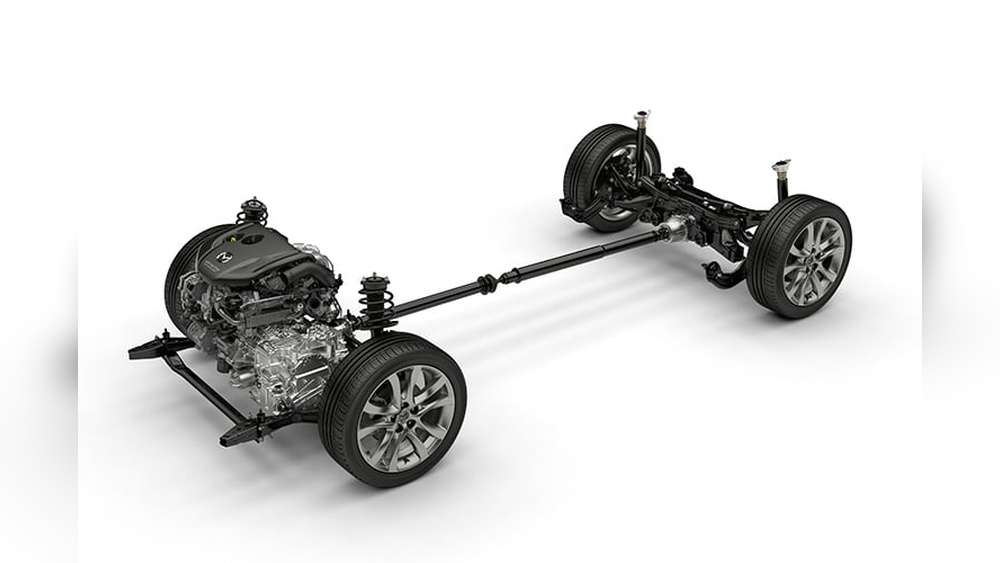
In front wheel drive cars, the engine sends power to the front wheels. The front wheels then pull the car forward. This is different from rear wheel drive, where the back wheels push the car. Power travels through parts like the transmission and drive shafts. The engine, transmission, and front wheels work together to move the car.
Key Components
The main parts of a front wheel drive system include the engine, transmission, and drive shafts. The transmission changes engine power to the right speed. Drive shafts connect the transmission to the front wheels. Constant velocity (CV) joints allow the wheels to turn smoothly while moving. The front axle carries power and supports the wheels. All these parts must work well for the car to run smoothly.
Advantages Of Front Wheel Drive
Front wheel drive (FWD) offers several benefits for car owners. It changes how power reaches the wheels and affects driving experience. Many drivers choose FWD for its practical advantages in daily use. These benefits impact safety, cost, and car design.
Understanding the advantages helps buyers make better choices. FWD suits city driving and simple road conditions. It also improves car handling in certain situations.
Improved Traction
Front wheel drive sends power to the front wheels. This helps the car grip the road better. It is useful on wet or slippery roads. The weight of the engine over the front wheels adds extra grip. This reduces chances of slipping or skidding. Drivers often feel safer driving FWD in rain or snow.
Fuel Efficiency
FWD cars usually weigh less than other types. Less weight means the engine uses less fuel. The design also has fewer moving parts. This reduces energy loss while driving. Cars with front wheel drive save money on gas. This makes FWD popular for small and mid-size cars.
Compact Design
The layout of front wheel drive saves space inside the car. Without a driveshaft to the rear wheels, the floor is flat. This creates more room for passengers and cargo. The engine and transmission sit together at the front. This design simplifies car building and can lower costs. It also helps manufacturers create smaller cars with good interior space.
Common Disadvantages
Front wheel drive cars offer many benefits but also have some drawbacks. These disadvantages affect how the car drives, how much work it needs, and its overall performance. Understanding these points helps buyers make better choices.
Handling Limitations
Front wheel drive cars can struggle on sharp turns. The front wheels do both steering and power, which can cause understeer. This means the car may not turn as sharply as expected. On slippery roads, front wheel drive may lose traction more easily. This can reduce control and increase the risk of sliding.
Maintenance Challenges
The front axle in front wheel drive cars has many parts working together. This can make repairs more complex and costly. Constant stress on front tires causes faster wear. Tires may need replacement sooner than in rear wheel drive cars. Also, front wheel drive cars often need more frequent alignment checks to avoid uneven tire wear.
Performance Trade-offs
Front wheel drive cars usually have less power handling ability. High power engines can cause torque steer, where the car pulls to one side. This reduces driving comfort and control. Front wheel drive also limits sporty driving styles. Acceleration and cornering performance may not match rear or all wheel drive cars.
Front Wheel Drive Vs Rear Wheel Drive
Choosing between front wheel drive and rear wheel drive matters for many drivers. Both types affect how a car feels and performs on the road. Each has its own strengths and weaknesses. Understanding these differences helps in picking the right car for your needs.
Differences In Layout
Front wheel drive cars have the engine and transmission at the front. Power goes directly to the front wheels. Rear wheel drive cars send power to the rear wheels. The engine may be at the front or back. This setup changes how weight is spread across the car. It also affects handling and space inside the vehicle.
Driving Experience
Front wheel drive offers better traction on wet or slippery roads. It pulls the car forward, which feels stable to most drivers. Rear wheel drive cars provide sharper handling and better balance. They allow for smoother turns and faster acceleration. Some drivers prefer rear wheel drive for sporty or performance cars.
Cost Considerations
Front wheel drive cars usually cost less to build and maintain. They have fewer parts and simpler mechanics. Rear wheel drive systems are more complex and can cost more. Repairs and maintenance may also be pricier. Buyers on a budget often choose front wheel drive vehicles.
Front Wheel Drive Vs All Wheel Drive
Choosing between Front Wheel Drive (FWD) and All Wheel Drive (AWD) can be confusing. Both systems have their strengths and weaknesses. Understanding their differences helps you pick the right car for your needs.
Traction And Stability
FWD sends power only to the front wheels. This makes the car lighter and easier to control on dry roads. AWD powers all four wheels. This improves grip on slippery surfaces and rough terrain. AWD offers better stability in sharp turns and sudden moves. FWD is simpler and less prone to mechanical issues.
Weather Performance
FWD works well in mild weather conditions. It can handle light rain and snow. AWD excels in harsh weather like heavy rain, snow, or ice. It gives better control and reduces the chance of slipping. AWD is often preferred in regions with unpredictable weather. FWD may struggle on very slippery roads.
Fuel Consumption
FWD cars usually consume less fuel. They are lighter and have fewer moving parts. AWD systems add weight and complexity, which increases fuel use. Drivers who want better mileage often choose FWD. AWD is less efficient but offers better traction and safety.
Credit: www.roadandtrack.com
Ideal Cars For Front Wheel Drive
Front wheel drive (FWD) cars offer a unique driving experience. They send power to the front wheels only. This design affects how the car handles and performs. Certain cars fit this system better than others. Knowing which cars are ideal for FWD helps buyers choose wisely.
FWD cars are common in compact and midsize models. They save space inside the car. The engine and transmission are usually placed in the front. This makes the car lighter and easier to control. Drivers often find these cars smooth in city traffic.
Popular Models
Many well-known cars use front wheel drive. The Honda Civic and Toyota Corolla are classic examples. Both cars are reliable and affordable. The Ford Focus and Hyundai Elantra also use FWD. These models offer good fuel economy and comfort. They appeal to daily commuters and small families.
Best Uses
Front wheel drive works well on paved roads. It provides good traction in rain and light snow. FWD cars are great for city driving. They handle tight turns and stop quickly. These cars suit drivers who want easy control. They also fit those who want lower maintenance costs.
Common Myths About Front Wheel Drive
Front wheel drive (FWD) cars often face many myths. These myths can confuse car buyers. Understanding the truth helps make better choices. Here are some common myths and facts about front wheel drive.
Performance Misconceptions
Many believe FWD cars lack power. They think FWD cannot handle fast speeds well. Actually, FWD offers good traction on dry roads. The engine pulls the car, helping in tight turns.
People say FWD cars understeer too much. While understeer can happen, modern designs reduce it a lot. FWD cars perform well in city driving and daily use.
Safety Concerns
Some say FWD cars are unsafe in snow or rain. FWD actually improves grip in slippery conditions. The weight of the engine over front wheels aids traction.
Others think FWD cars are harder to control in emergencies. Proper tires and careful driving keep FWD cars safe. Most safety issues come from poor driving, not the drive type.
Future Trends In Front Wheel Drive
The future of front wheel drive (FWD) cars shows many changes. Advances in technology and new types of vehicles will shape how FWD systems develop. These trends aim to make cars safer, more efficient, and better to drive.
Many car makers focus on improving FWD to match the needs of modern drivers. This includes adding smart features and adapting to new power sources. The following sections explain important trends for front wheel drive cars.
Technological Advances
Front wheel drive systems will get smarter and more reliable. Sensors will help control traction and stability better. This means fewer skids and safer driving on wet or icy roads.
New materials will make FWD parts lighter and stronger. Lighter cars use less fuel and handle better. Engineers also work on better designs to reduce noise and vibration.
Automatic systems will soon adjust power between wheels. This helps keep control in difficult conditions. Such technology makes front wheel drive cars perform closer to all-wheel drive models.
Impact Of Electric Vehicles
Electric vehicles (EVs) change how front wheel drive systems work. Many EVs use motors on each wheel, but FWD remains popular for smaller cars. Electric motors offer quick power and smooth acceleration.
EVs need less space for engines, so FWD layouts can be more compact. This creates more room inside the car. It also improves weight distribution, helping with balance and control.
Battery placement affects FWD design too. Placing batteries low in the car lowers the center of gravity. This makes front wheel drive cars more stable and easier to handle.
Credit: en.wikipedia.org
Frequently Asked Questions
What Is Front Wheel Drive In Cars?
Front wheel drive means the engine powers the front wheels only. It improves traction and fuel efficiency. This setup is common in compact and economy cars.
How Does Front Wheel Drive Affect Car Handling?
Front wheel drive enhances stability, especially on slippery roads. It reduces oversteer and makes the car easier to control. However, it may cause understeer in sharp turns.
What Are The Benefits Of Front Wheel Drive Cars?
FWD cars offer better fuel economy and lower manufacturing costs. They provide more interior space and improved traction in poor weather. Maintenance is usually simpler and less expensive.
Are Front Wheel Drive Cars Better In Snow?
Yes, front wheel drive cars perform well in snow. The engine’s weight over the front wheels improves grip. However, all-wheel drive offers superior traction in extreme conditions.
Conclusion
Front wheel drive cars offer better traction and fuel efficiency. They handle well in rain and snow, making driving safer. Maintenance costs tend to be lower compared to other drivetrains. Many everyday vehicles use front wheel drive for these reasons.
Understanding how it works can help you choose the right car. It’s a practical option for city and family driving. Simple design and good performance make it popular worldwide. Consider your driving needs and conditions before deciding. Front wheel drive remains a reliable choice for many drivers.