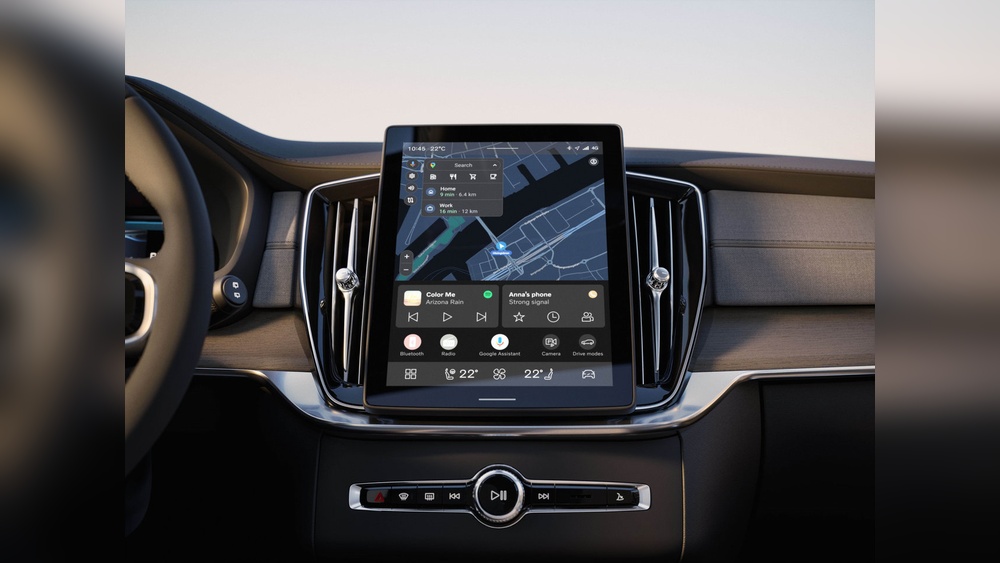
Imagine stepping into your car and having a system that not only keeps you entertained but also makes your drive safer, smarter, and more connected. That’s exactly what the infotainment system in 2025 promises to do for you.
But what exactly is this system, and how will it change the way you experience your vehicle? If you want to discover how your daily drives can become more enjoyable and hassle-free, keep reading. This article will reveal everything you need to know about the next generation of infotainment systems and why they matter for you.

Credit: www.kellygmcbuick.com
Evolution Of Infotainment Systems
Infotainment systems have changed a lot over the years. They started as simple devices that played music. Today, they are smart systems that connect drivers to many digital services. This change shows how technology has grown in cars.
The evolution of infotainment systems reflects the demand for better safety, comfort, and convenience. Each step brought new features that made driving more enjoyable. This journey from basic to advanced systems is interesting to explore.
From Analog To Digital
At first, infotainment systems used analog signals. Radios and cassette players were common. Drivers could listen to music but had no screen or touch controls.
Digital technology changed everything. CD players replaced cassettes. Then, screens and buttons allowed users to control music and settings easily. Digital signals gave clearer sound and more options.
Today, infotainment systems use fully digital platforms. They connect to the internet and smartphones. Touchscreens, voice commands, and apps are standard features now.
Key Milestones In Development
The first big step was adding CD players in the 1990s. This improved sound quality and made music selection easier. Next came GPS navigation systems in the early 2000s, helping drivers find routes.
In the 2010s, Bluetooth and smartphone integration became popular. Drivers could make calls and stream music without cables. Touchscreen displays replaced many physical buttons, making controls simpler.
By 2025, infotainment systems include AI assistants and cloud connectivity. They offer real-time traffic updates, personalized suggestions, and advanced safety alerts. These milestones show how cars became more connected and smart.
Core Features In 2025
The infotainment system in 2025 offers many smart features. It blends technology and ease to improve driving experience. These core features make the system simple, smart, and connected. Drivers and passengers enjoy more comfort and control.
Voice And Gesture Controls
Voice commands let drivers control the system without hands. Speak to change music, make calls, or get directions. Gesture controls add a touch-free way to interact. Simple hand movements can adjust volume or switch tracks. This reduces distractions and keeps focus on the road.
Ai-powered Personalization
Artificial intelligence learns user preferences over time. It adjusts settings like seat position, temperature, and lighting. The system suggests music and routes based on habits. AI makes every trip feel customized and smooth. It adapts quickly to different drivers in the car.
Seamless Connectivity
The system connects easily with smartphones and other devices. It supports multiple apps for navigation, music, and messages. Wireless connections ensure fast and stable links. Passengers can share content or control features from their devices. This keeps everyone connected without cable clutter.
Integration With Smart Devices
The infotainment system in 2025 connects easily with many smart devices. It brings your digital world into your car for smooth control and better safety. This integration helps drivers stay focused while accessing useful apps and information.
Smart devices link seamlessly to the system. This connection makes everyday tasks simpler and more fun during your drive.
Smartphones And Wearables
Infotainment systems work closely with smartphones and wearables. You can make calls, send messages, or check notifications without touching your phone. Voice commands and touchscreens make it easy.
Wearables like smartwatches show alerts and health data on the car screen. They also track your fitness and sleep while you drive. This keeps you informed without distractions.
Home Automation Sync
The system connects with home devices like lights, thermostats, and security cameras. You can control these from your car before reaching home. Adjust the temperature or turn on lights with simple commands.
This sync saves time and adds comfort. It creates a smooth link between your car and home life. The car becomes more than just a ride; it is part of your smart lifestyle.
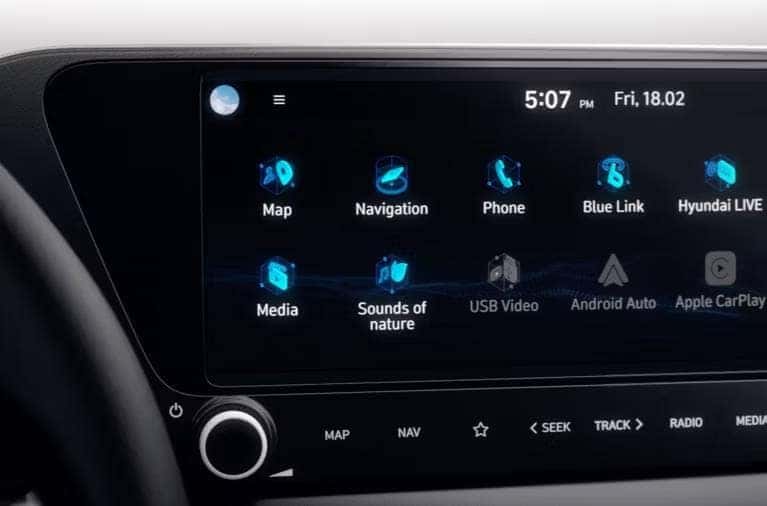
Credit: www.hileyhyundaioffortworth.com
Enhanced User Experience
The infotainment system in 2025 focuses on improving user experience like never before. It blends technology with ease of use. Drivers and passengers enjoy smart features designed for comfort and safety. The system understands user needs and adjusts itself accordingly.
Thanks to new tech, interaction becomes smoother. Users spend less time navigating menus and more time enjoying the ride. The system feels natural and intuitive. It learns from habits and preferences to provide a personalized touch.
Augmented Reality Displays
Augmented reality (AR) displays bring information directly to the driver’s view. Navigation arrows appear on the windshield, showing the path clearly. Important alerts like speed limits and hazards pop up in real time. This keeps eyes on the road and hands on the wheel.
AR also enhances entertainment. Passengers can see interactive content on windows or screens. This creates an immersive experience without distraction. The system blends digital info with the real world smoothly.
Adaptive Interfaces
Adaptive interfaces change based on who is using the system. They learn user preferences and adjust settings automatically. The screen layout changes to show the most useful options first. Voice commands respond better to natural speech patterns.
These interfaces reduce confusion and improve safety. Users find what they need faster. The system adapts to different driving conditions and moods. It feels more like a helpful assistant than a machine.
Safety And Security Enhancements
Safety and security are top priorities in infotainment systems in 2025. These systems not only entertain but also protect drivers and passengers. Advanced features help reduce accidents and keep personal data safe.
Driver Monitoring Systems
Driver monitoring systems watch the driver’s behavior closely. Cameras and sensors check if the driver is tired or distracted. Alerts warn drivers to stay focused on the road. Some systems can even take control to prevent crashes. These features make driving safer for everyone.
Data Privacy Measures
Infotainment systems collect a lot of personal information. Protecting this data is essential to avoid misuse or theft. Encryption keeps data safe from hackers. Users can control what information is shared and stored. Regular updates fix security holes and improve privacy. Strong data privacy builds trust in these new technologies.

Credit: www.darcarskiaoftemplehills.com
Future Innovations On The Horizon
The infotainment system in 2025 is set to change a lot. New technologies will make it smarter and faster. Cars will offer more than just music and maps. They will connect deeply with our daily lives.
Future innovations focus on better internet and smarter cars. These changes will give drivers and passengers safer, fun, and more useful experiences. Here are two key areas shaping the future of infotainment.
5g And Beyond
5G networks bring fast and stable internet to cars. This speed helps stream videos and download apps quickly. It also supports real-time traffic updates and voice commands.
Beyond 5G, networks will become even faster and more reliable. This means smoother video calls and better navigation. Cars will connect with smart cities to improve travel safety and efficiency.
Integration With Autonomous Vehicles
Self-driving cars will change how infotainment works. Passengers will have more time to enjoy movies, games, and work tasks. Infotainment systems will adapt to the car’s driving mode and environment.
Systems will also communicate with the vehicle’s AI to offer personalized content. Safety alerts and route changes will appear without distracting the driver. The integration will make travel safer and more enjoyable.
Frequently Asked Questions
What Is An Infotainment System In 2025?
An infotainment system in 2025 integrates entertainment, navigation, and connectivity in vehicles. It uses AI and voice control for a personalized experience. It enhances driving safety and convenience with real-time updates and seamless smartphone integration.
How Does 2025 Infotainment Improve Driving Safety?
2025 infotainment systems use AI to reduce driver distraction. They offer voice commands and heads-up displays to keep eyes on the road. Real-time alerts for traffic and hazards improve situational awareness and prevent accidents.
What Features Define 2025 Infotainment Systems?
Key features include AI assistants, augmented reality navigation, and seamless smartphone connectivity. Systems support wireless updates, personalized content, and multi-device integration. They enhance comfort with climate control and entertainment options tailored to user preferences.
How Do Infotainment Systems Connect With Smartphones In 2025?
They use wireless protocols like 5G and Bluetooth for instant pairing. Systems mirror apps and media from smartphones. Voice commands and touchscreens allow hands-free control, improving convenience and safety while driving.
Conclusion
The infotainment system in 2025 blends technology with convenience. It offers easy access to music, maps, and calls. Voice control and touchscreens make driving safer and more fun. Smart features learn your preferences over time. Cars become more connected than ever before.
This system keeps drivers informed and entertained. It helps make every journey smoother and enjoyable. Expect these systems to keep evolving fast. A smarter drive is just ahead.