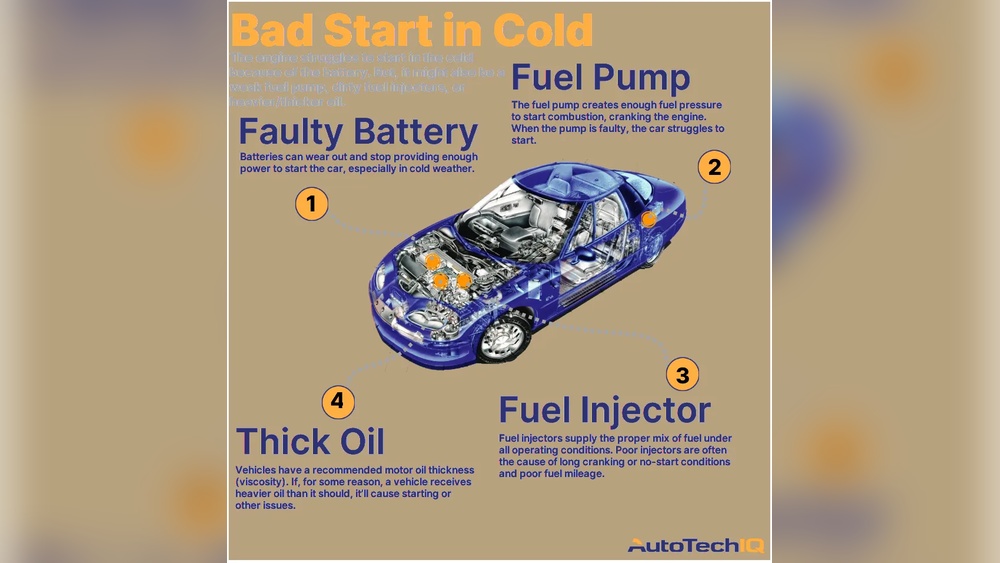
Have you ever noticed your car struggling just when you need it the most? That sudden hesitation, the slow response, or the engine feeling like it’s losing power can be frustrating and worrying.
You might wonder, “Why does my car struggle? ” Understanding the reasons behind this can save you time, money, and stress. You’ll discover the common causes of car struggles and what you can do to fix them before they become bigger problems.
Keep reading to take control of your car’s performance and keep your drives smooth and safe.
Common Signs Of Car Struggle
Noticing your car struggling can be worrying. It often signals that your vehicle needs attention. Recognizing common signs early helps prevent bigger problems. These signs tell you when your car is not working right. Understanding them can save time and money.
Engine Hesitation
Engine hesitation happens when your car delays before speeding up. It feels like a pause or stumble during acceleration. This can happen on flat roads or hills. Hesitation often means a fuel or ignition issue. Ignoring it can damage your engine further.
Loss Of Power
Loss of power means your car feels weak and slow. It struggles to reach normal speeds. Climbing hills or quick starts become difficult. This sign points to problems like clogged filters or worn parts. Fixing it early keeps your car running strong.
Unusual Noises
Strange sounds from your car are a clear warning. Grinding, knocking, or squealing noises are not normal. These sounds may come from the engine, brakes, or transmission. They often indicate worn or broken components. Do not ignore unusual noises to avoid costly repairs.
Poor Fuel Efficiency
When your car uses more fuel than usual, it struggles. Poor fuel efficiency means more stops at the gas station. It can result from dirty filters, bad spark plugs, or tire issues. Checking fuel use helps spot hidden problems early. Better fuel economy saves money and reduces pollution.
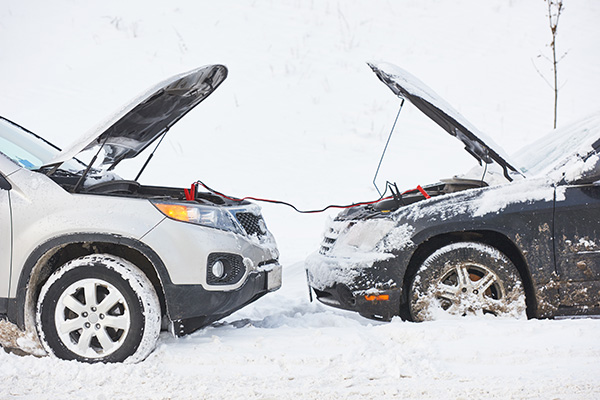
Credit: www.rainierauto.com
Fuel System Issues
Your car needs fuel to run smoothly. The fuel system sends gas from the tank to the engine. Problems in this system can make your car struggle. Fuel system issues reduce power and cause rough rides. Understanding common fuel problems helps you fix them fast.
Clogged Fuel Filter
The fuel filter cleans dirt from the gas. Over time, it can get blocked. A clogged filter stops fuel flow. Your engine may stall or hesitate. Replacing the filter keeps fuel clean and engine strong.
Faulty Fuel Pump
The fuel pump pushes gas to the engine. If it breaks, fuel can’t reach the engine. Your car may not start or lose power. A weak pump causes poor acceleration. Checking the pump ensures steady fuel flow.
Dirty Fuel Injectors
Fuel injectors spray fuel into the engine. Dirt can block their tiny nozzles. Dirty injectors cause rough idling and less power. Cleaning injectors restores smooth engine running. Regular care prevents injector problems.
Ignition System Problems
The ignition system plays a key role in your car’s performance. It starts the engine by creating the spark needed to burn fuel. Problems in this system can cause your car to struggle or run poorly. Understanding common ignition system issues helps you spot trouble early. Here are some parts that often cause ignition problems.
Worn Spark Plugs
Spark plugs create the spark for the engine to run. Over time, they wear out and lose their ability to spark properly. This can cause rough idling, poor acceleration, and engine misfires. Worn spark plugs reduce fuel efficiency and make the car harder to start. Replacing old spark plugs can restore smooth engine performance.
Damaged Ignition Coil
The ignition coil sends electricity to the spark plugs. If the coil is damaged, it can’t deliver enough power. This results in weak or no spark, causing the engine to hesitate or stall. Ignition coil problems often lead to poor fuel economy and loss of power. A faulty coil needs to be replaced quickly to avoid engine damage.
Faulty Spark Plug Wires
Spark plug wires carry the electricity from the ignition coil to the spark plugs. Damaged or worn wires cause electricity to leak or fail to reach the plugs. This leads to misfires, rough running, and poor fuel efficiency. Spark plug wires wear out from heat and age. Replacing faulty wires improves engine smoothness and reliability.
Air Intake And Exhaust Troubles
Air intake and exhaust systems play a key role in car performance. These parts help the engine breathe properly and remove waste gases. Problems in these systems can make your car struggle to run well. Understanding common issues can help you spot trouble early.
Blocked Air Filter
The air filter cleans the air entering your engine. Dirt and debris can clog it over time. A blocked air filter reduces airflow. This makes the engine work harder and lose power. Changing the air filter regularly keeps air flowing freely.
Exhaust System Blockage
The exhaust system removes harmful gases from the engine. A blockage here can cause poor engine performance. It increases back pressure and slows down exhaust flow. You may notice strange noises or less power. Checking the exhaust system helps avoid serious damage.
Mass Air Flow Sensor Malfunction
The mass air flow (MAF) sensor measures air entering the engine. It tells the computer how much fuel to add. A faulty MAF sensor sends wrong data. This leads to rough idling and poor acceleration. Cleaning or replacing the sensor can fix these problems.
Transmission And Drivetrain Concerns
Your car’s transmission and drivetrain are key to smooth driving. Problems here can cause your car to struggle and lose power. These parts work together to transfer engine power to the wheels. Any issue can lead to poor performance and strange noises. Understanding common transmission and drivetrain concerns helps spot trouble early.
Slipping Transmission
A slipping transmission feels like the car is losing power. The engine revs up but the car moves slowly. This happens when the transmission fluid is low or old. Worn clutch plates inside the transmission can also cause slipping. Ignoring this issue can lead to costly repairs.
Clutch Issues
Manual cars use a clutch to change gears smoothly. A worn or damaged clutch can cause difficulty in shifting gears. The car may jerk or stall when you press the clutch pedal. Clutch problems often result from heavy use or poor maintenance. Timely repairs prevent further damage.
Differential Problems
The differential helps wheels turn at different speeds during turns. Problems here cause strange noises or vibrations while driving. Leaks or worn gears inside the differential reduce power to the wheels. This leads to poor handling and uneven tire wear. Regular checks keep the differential working well.

Credit: www.youtube.com
Battery And Electrical System Faults
Battery and electrical system faults often cause a car to struggle. These issues affect the power supply and can stop your car from running smoothly. Understanding these faults helps you spot problems early.
Weak Battery
A weak battery cannot supply enough power to start the engine. It loses charge faster and may fail in cold weather. A weak battery causes slow engine cranking and dim lights.
Alternator Failure
The alternator charges the battery while the car runs. A failing alternator means the battery drains quickly. This leads to stalling and electrical problems inside the car.
Corroded Battery Terminals
Corrosion on battery terminals blocks the electrical flow. This causes poor connections and makes starting the car difficult. Cleaning terminals helps restore a strong connection and better power supply.
Simple Diy Fixes
Simple DIY fixes can help your car run better without a mechanic. These small tasks take little time and cost less. You can try these fixes at home with basic tools. They often solve common problems like poor engine performance or rough idling.
Replacing Air And Fuel Filters
Dirty air and fuel filters block airflow and fuel flow. This causes your car to struggle and lose power. Check your car manual to find the filter locations. Remove the old filters and replace them with new ones. This improves engine breathing and fuel delivery instantly.
Changing Spark Plugs
Worn spark plugs make your engine misfire and run rough. They cause weak acceleration and poor fuel economy. Use a spark plug socket to remove old plugs. Install new plugs with the right gap for your car. This simple change helps your engine ignite fuel better.
Cleaning Battery Terminals
Corroded battery terminals can cause starting problems and electrical issues. Check the terminals for white or green buildup. Use a brush and baking soda solution to clean them. Dry the terminals and reconnect the cables tightly. This ensures good power flow to your car’s systems.
When To See A Mechanic
Knowing when to see a mechanic can save your car from serious damage. Some car problems seem small but can grow quickly. Paying attention to signs helps keep your car safe and reliable. Don’t wait too long to get help. Early checks often cost less and stop bigger issues.
Persistent Engine Problems
Engine troubles that do not go away need expert care. Rough idling, stalling, or difficulty starting are warning signs. These issues can mean fuel or ignition problems. A mechanic can find the exact cause and fix it. Avoid driving too much with engine problems. It can make the damage worse and cost more.
Warning Lights On Dashboard
Dashboard lights are there to alert you about your car. A check engine light or battery warning means something is wrong. Don’t ignore these lights, even if the car seems fine. Mechanics have tools to read the error codes. This helps them fix the problem correctly and quickly. Driving with warning lights on can be risky.
Unusual Smells Or Smoke
Strange smells or smoke from your car need immediate attention. Burning smells might mean electrical or oil problems. White or blue smoke can signal engine trouble. These signs can mean leaks or overheating. Stop driving and see a mechanic right away. Early fixes prevent serious damage and keep you safe.

Credit: www.wikihow.com
Frequently Asked Questions
Why Does My Car Struggle To Accelerate?
Your car may struggle to accelerate due to clogged air filters, dirty fuel injectors, or a failing spark plug. These issues reduce engine efficiency, causing sluggish acceleration. Regular maintenance helps prevent these problems and ensures smooth performance.
Can A Dirty Fuel Filter Cause Car Struggling?
Yes, a dirty fuel filter restricts fuel flow to the engine. This can lead to poor engine performance and struggle while driving. Replacing the fuel filter on time improves fuel efficiency and resolves acceleration issues.
How Does A Faulty Oxygen Sensor Affect Car Performance?
A faulty oxygen sensor sends incorrect data to the engine control unit. This causes improper fuel mixture, leading to poor engine performance and struggling. Replacing a bad oxygen sensor restores optimal engine function and fuel economy.
Could Low Tire Pressure Make My Car Struggle?
Low tire pressure increases rolling resistance, making the engine work harder. This can cause your car to struggle, especially on inclines. Regularly checking and maintaining proper tire pressure improves fuel efficiency and driving comfort.
Conclusion
Car troubles can be frustrating and confusing. Knowing common causes helps you act fast. Check your fuel, filters, and spark plugs first. Keep your car well-maintained to avoid issues. Small problems can turn into big ones quickly. Trust your instincts when something feels wrong.
Taking care of your car saves time and money. Stay alert and keep your ride running smooth. Simple steps prevent struggles on the road.