Are your tires really ready for the road? Understanding tire maintenance is one of the easiest ways to keep your vehicle safe and running smoothly.
You might think tire care is complicated, but it’s simpler than you imagine. By learning what tire maintenance means and how to do it, you can save money, avoid unexpected problems, and enjoy a safer ride every time you drive.
Keep reading—your tires, your safety, and your wallet will thank you.
Tire Types And Their Impact
Tires affect driving safety, comfort, and fuel efficiency. Choosing the right tire type matters.
Different tires perform best in specific weather and road conditions. Understanding their impact helps maintain your vehicle well.
All-season Vs. Summer Tires
All-season tires work well in many weather types. They offer a smooth ride on dry and wet roads.
Summer tires provide better grip on hot, dry roads. They improve handling but wear faster in cold weather.
Winter Tires Benefits
Winter tires have special tread designs for snow and ice. They keep you safe by improving traction in cold weather.
These tires stay soft in low temperatures. This helps your car stop and turn better on slippery roads.
Performance Tires Overview
Performance tires focus on speed and sharp handling. They suit sports cars or drivers who want more control.
They often have less tread depth, making them less good in rain or snow. Use them where roads stay dry.
Tire Pressure And Safety
Tire pressure is vital for safe driving. Proper pressure keeps your vehicle stable and controls its grip on the road. It helps avoid accidents caused by tire problems. Checking tire pressure is an easy task that protects you and your passengers.
Checking Tire Pressure Regularly
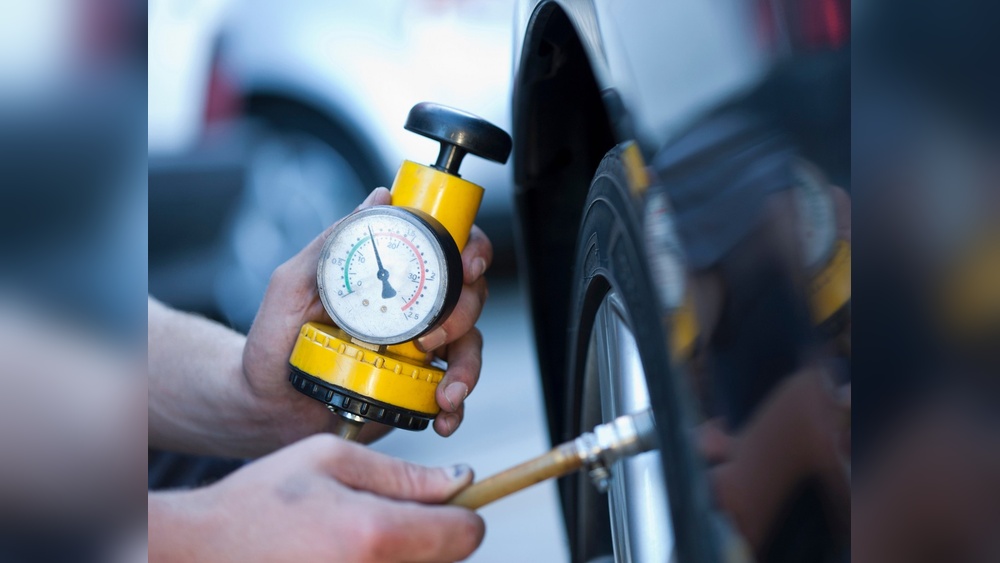
Check your tire pressure once a month. Use a reliable pressure gauge for accurate results. Measure pressure when tires are cold for best reading. Compare the number with the car’s recommended pressure. Find this information in the owner’s manual or door sticker.
Consequences Of Underinflation
Underinflated tires wear out faster on the edges. They use more fuel because they roll poorly. Driving on low pressure increases the risk of tire blowouts. It reduces vehicle control and braking ability. This can lead to dangerous situations on the road.
Proper Inflation Techniques
Remove the valve cap and press the gauge firmly. Add air if the pressure is low. Avoid overinflation; it can cause a harsh ride. Inflate tires to the recommended level only. Replace valve caps to keep dirt out. Check pressure before long trips or heavy loads.
Tread Depth And Wear
Tread depth and wear affect your tire’s safety and performance. Tread grips the road and helps prevent slipping. Worn tread means less grip, especially in wet conditions. Checking tread depth and wear keeps your tires safe and your ride smooth.
Measuring Tread Depth
Use a tread depth gauge or a simple coin to check tread depth. Insert the gauge or coin into the tire grooves. Look for the measurement or how much of the coin shows. Tires need at least 2/32 of an inch tread for safe driving. Less than this means the tires are too worn.
Signs Of Uneven Wear
Uneven tread wear shows as bald spots or different tread depths. It can happen from poor alignment, unbalanced tires, or wrong tire pressure. Uneven wear causes poor handling and faster tire damage. Check tires often for any signs of uneven wear.
When To Replace Tires
Replace tires if tread depth is below 2/32 of an inch. Also, look for cracks, bulges, or damage on the tire. Tires older than six years may need replacement even if tread looks fine. Worn or damaged tires reduce safety and fuel efficiency.

Credit: www.walmart.com
Tire Rotation And Alignment
Tire rotation and alignment are essential parts of tire maintenance. They keep your tires wearing evenly and improve your car’s handling. Regular care helps your tires last longer and keeps your drive safe. Understanding these processes helps you know what to expect and how to care for your vehicle properly.
Benefits Of Regular Rotation
Rotating tires means moving them from one position to another. This balances out tire wear. Front tires often wear faster due to steering and braking. Rotation extends the life of all tires evenly. It improves fuel efficiency and keeps the car stable. Regular rotation saves money by delaying tire replacement.
Alignment Checks And Adjustments
Alignment means adjusting the angles of your tires. Proper alignment ensures tires meet the road correctly. Misalignment causes uneven wear and poor handling. Checking alignment regularly prevents these issues. Adjustments keep your car driving straight and reduce tire damage. Alignment is important for safety and smooth driving.
Recommended Rotation Patterns
Different cars need different rotation patterns. Common patterns include front-to-back and cross-patterns. Front-wheel drive cars often use a simple front-to-back swap. All-wheel drive cars may need a more complex pattern. Check your car’s manual or ask a mechanic. Following the right pattern helps tires wear evenly and last longer.
Balancing And Vibration
Tire balancing and vibration affect your car’s ride quality and safety. Proper balancing keeps tires spinning smoothly. It stops shaking and uneven wear. Vibration often signals a problem with wheel balance. Understanding this can help you maintain tires well and drive comfortably.
Importance Of Wheel Balancing
Wheel balancing spreads the tire weight evenly around the axle. This process prevents uneven tire wear. It also reduces strain on suspension parts. Balanced wheels make your drive stable and quiet. Skipping balancing may cause faster tire damage. It can lead to costly repairs and unsafe driving.
Detecting Tire Vibration
Feel vibrations in the steering wheel or seat? This often means tires are out of balance. Vibrations usually rise with speed. Watch for wobbling or shaking while driving. Vibration can also come from bent rims or worn suspension. Early detection helps fix the problem before damage grows.
Solutions To Imbalance Issues
Wheel balancing is done by adding small weights to rims. A mechanic uses a machine to find heavy spots. The machine spins the wheel to measure balance. Weights are placed to offset the heavy parts. This process stops vibrations and improves tire life. Regular checks keep your tires balanced and safe.
Credit: eliteroads.com
Storage And Seasonal Care
Proper tire storage and seasonal care keep your tires safe and lasting longer. Tires not in use need special attention to avoid damage. Seasonal changes affect tire performance and safety. Taking time to care for your tires during storage and season shifts helps maintain their quality.
Proper Tire Storage Tips
Store tires in a cool, dry place away from sunlight. Keep them off the ground using a pallet or shelf. Avoid stacking tires on each other for long periods. Use tire bags or covers to protect from dust and moisture. Check tires regularly for cracks or flat spots during storage.
Preparing Tires For Winter And Summer
Switch to winter tires before cold weather arrives. Winter tires offer better grip on snow and ice. Change to summer tires when temperatures rise above 45°F (7°C). Summer tires provide improved handling and braking on dry roads. Clean tires before changing to remove dirt and salt.
Protecting Tires From Damage
Avoid exposure to oils, solvents, or chemicals that harm tires. Keep tires away from sharp objects and rough surfaces. Check tire pressure regularly to prevent dry rot. Rotate tires to reduce uneven wear. Cover tires if stored outside to shield from weather effects.
Common Tire Problems
Tires face many problems that affect safety and performance. Knowing common tire problems helps keep your vehicle safe. Regular checks catch issues early and save money. Understanding these problems guides proper tire maintenance.
Punctures And Repairs
Punctures happen when sharp objects pierce the tire. Nails and glass cause most punctures. Small holes can be fixed with patches or plugs. Large or sidewall punctures often need tire replacement. Repairing punctures quickly prevents air leaks and damage.
Sidewall Damage
Sidewalls are the tire’s weakest part. Cuts, cracks, or bulges here are serious. Sidewall damage cannot be repaired safely. It weakens the tire structure and risks blowouts. Check sidewalls for damage during every tire inspection.
Impact Of Overloading
Overloading puts extra stress on tires. Too much weight causes overheating and tire wear. Overloaded tires lose air pressure faster. This reduces tire life and increases accident risk. Always follow the vehicle’s load limits to protect tires.
Tools And Products For Maintenance
Tire maintenance needs the right tools and products. These help keep tires safe and last longer. Using proper equipment makes checking and fixing tires easier. It also saves money by avoiding big repairs or replacements.
Tools and products vary from simple gauges to special sealants. Each has a role in tire care. Understanding their uses helps maintain tires better. This section explains key tools and products for tire maintenance.
Recommended Tire Gauges
Tire gauges measure air pressure accurately. Proper pressure is important for safety and tire life. Digital and analog gauges work well. Digital gauges offer easy reading with numbers. Analog gauges are simple and reliable. Choose a gauge that fits your budget and needs. Check pressure regularly to prevent wear and accidents.
Use Of Sealants And Protectants
Sealants fix small tire leaks quickly. They stop air from escaping through punctures. Protectants keep tires flexible and clean. They prevent cracking from sun and dirt. Use sealants only as a temporary fix. Protectants should be applied every few months. These products help extend tire life and performance.
Choosing The Right Equipment
Pick tools made for your tire type and size. Basic kits include a jack, lug wrench, and pressure gauge. For frequent driving, consider a portable air compressor. Quality equipment ensures safe and easy tire maintenance. Avoid cheap tools that may break or give wrong readings. Good tools save time and improve safety on the road.
Credit: www.weaverinsurance.com
Frequently Asked Questions
What Is Tire Maintenance And Why Is It Important?
Tire maintenance involves checking tire pressure, tread depth, and alignment. It ensures safety, improves fuel efficiency, and extends tire life. Proper maintenance prevents accidents caused by tire failure and saves money on premature replacements.
How Often Should I Check My Tire Pressure?
Check tire pressure monthly and before long trips. Proper inflation improves handling, fuel efficiency, and tire longevity. Use a reliable gauge and follow the manufacturer’s recommended pressure listed on the vehicle’s door jamb.
What Are The Signs Of Tire Wear To Watch For?
Look for uneven tread wear, cracks, bulges, or bald spots. These signs indicate poor alignment, low pressure, or aging tires. Replace tires immediately if you notice any damage to ensure safe driving.
How Does Tire Rotation Benefit Tire Maintenance?
Rotating tires every 5,000 to 8,000 miles promotes even wear. It extends tire life, improves performance, and maintains balanced handling. Regular rotation is a simple way to maximize your tire investment.
Conclusion
Tire maintenance keeps your vehicle safe and saves money. Check tire pressure often. Keep tires balanced and aligned. Rotate tires regularly for even wear. Watch for signs of damage or wear. Good tire care improves driving comfort. It also helps your tires last longer.
Simple steps make a big difference. Take care of tires; they take care of you.