Have you ever wondered how your car stops so smoothly when you press the brake pedal? Understanding how the car brake system works can give you more confidence behind the wheel and help you take better care of your vehicle.
You’ll discover the key parts of the brake system and how they work together to keep you safe on the road. By the end, you’ll know exactly what happens the moment you hit the brakes—and why it’s so important to keep this system in top shape.
Keep reading to unlock the secrets of your car’s most vital safety feature.

Credit: www.uti.edu
Car Brake System Basics
The car brake system is a vital part of vehicle safety. It helps drivers stop the car smoothly and quickly. Understanding how brakes work can improve your driving skills. It also helps you recognize when the brakes need maintenance or repair.
Types Of Brake Systems
There are several types of brake systems used in cars. The most common is the disc brake system, which uses pads to press against a disc. Drum brakes use shoes that press inside a drum. Some cars have a combination of both types. Modern cars often have anti-lock braking systems (ABS) to prevent skidding.
Key Components
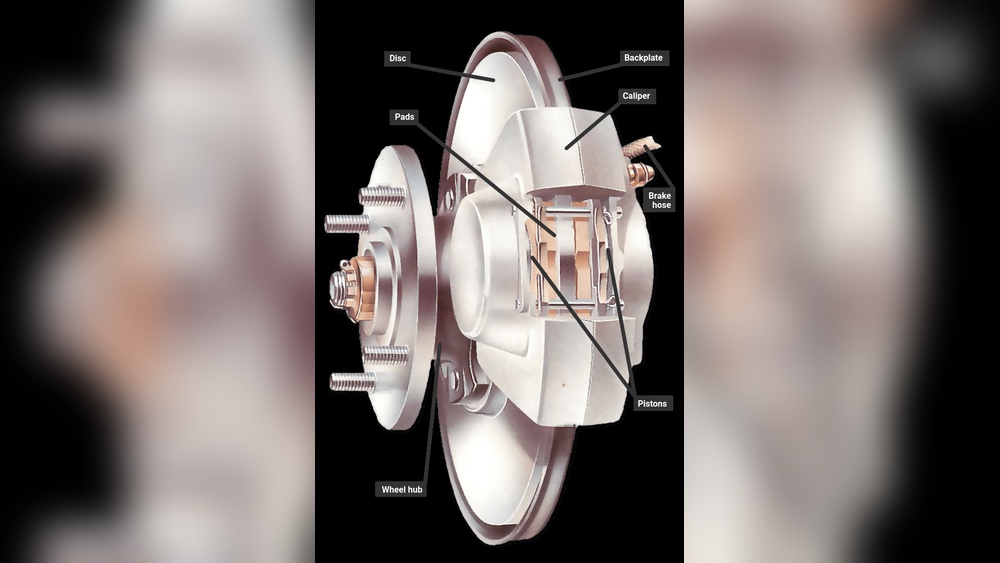
The brake system has many important parts. Brake pads or shoes create friction to stop the wheels. The brake discs or drums are the surfaces that the pads press on. Brake fluid transfers force from the pedal to the brakes. The master cylinder controls the brake fluid pressure. Brake lines carry the fluid to each wheel.
How Brakes Work
Pressing the brake pedal pushes brake fluid through the lines. This fluid moves the brake pads or shoes against the discs or drums. The friction slows down the wheels and stops the car. The harder the pedal press, the stronger the braking force. The system is designed to stop the vehicle safely and smoothly.
Types Of Brakes In Cars
Car brakes are essential for safety and control. Different types of brakes suit different car models and driving needs. Understanding these types helps you know how your car stops effectively. Each brake type works differently but aims to slow or stop the vehicle safely.
Disc Brakes
Disc brakes use a metal disc and brake pads. When you press the brake pedal, pads squeeze the disc. This creates friction that slows the wheels. Disc brakes cool down quickly and work well in wet conditions. Many modern cars use disc brakes on all wheels or just the front.
Drum Brakes
Drum brakes have a drum that spins with the wheel. Inside the drum, brake shoes press outward to stop the car. They are common in older cars and some rear wheels today. Drum brakes are less expensive but can heat up faster than disc brakes. They need regular maintenance to work well.
Anti-lock Braking System (abs)
ABS prevents wheels from locking during hard braking. It uses sensors to detect wheel speed. If a wheel is about to lock, ABS reduces brake pressure. This helps maintain steering control and avoids skidding. ABS improves safety, especially on slippery roads.
Brake System Maintenance
Brake system maintenance is key to safe driving. Proper care keeps your brakes working well and avoids accidents. Regular checks help find problems early. This saves money and stress later. Understanding what to watch for helps keep your car in top shape.
Signs Of Brake Wear
Listen for squeaking or grinding noises when braking. These sounds often mean worn brake pads. Feel for a soft or spongy brake pedal. This can signal brake fluid issues or air in the lines. Notice if your car pulls to one side while braking. This shows uneven brake wear. Check for longer stopping distances than usual. These signs mean it’s time for brake service.
Brake Fluid Importance
Brake fluid transfers pressure from the pedal to the brakes. It must stay clean and at the right level. Old or dirty fluid can cause brake failure. Fluid absorbs moisture over time, reducing its effectiveness. Changing brake fluid regularly keeps the system responsive and safe.
Routine Inspections
Inspect your brake system every few months or at service intervals. Check brake pads, rotors, and fluid level. Look for leaks or worn parts. Professional checks often include measuring pad thickness and testing fluid quality. Early detection prevents costly repairs. Routine inspections keep brakes reliable and extend their life.
Common Brake Problems
Car brake systems need regular care to work well. Problems with brakes can make driving unsafe. Knowing common brake problems helps you spot issues early. This keeps your car safe and your trips smooth.
Brake Noise Issues
Brake noise often means something is wrong. Squeaking or grinding sounds can warn about worn brake pads. Sometimes dirt or dust causes noise. Ignoring these sounds can lead to bigger damage. Regular brake checks help find noise causes fast.
Brake Fade
Brake fade happens when brakes lose power. It feels like the brake pedal sinks down. This can happen from heavy braking or hot brakes. Brake fade makes stopping harder and dangerous. Avoid riding brakes on long downhill roads.
Brake Pedal Problems
A soft or spongy brake pedal can signal trouble. It might mean air in the brake lines or fluid leaks. A very hard brake pedal can show a different issue. Problems with the brake pedal reduce control. Always get pedal issues checked quickly.
Safety Tips For Braking
Braking is one of the most important skills for safe driving. Knowing how to brake properly helps avoid accidents. It also protects you and others on the road. Below are key safety tips for braking that all drivers should follow.
Proper Braking Techniques
Always press the brake pedal gently. Sudden braking can cause skidding or loss of control. Keep a safe distance from the car ahead. This gives you time to brake smoothly. Use both feet only if your car has manual transmission. Otherwise, keep your right foot ready on the brake.
Emergency Braking
In an emergency, press the brake pedal hard and fast. Do not pump the brakes if your car has ABS (Anti-lock Braking System). Instead, hold the pedal down firmly. ABS helps keep the wheels from locking. This allows you to steer while braking hard.
Driving In Different Conditions
Wet or icy roads need extra caution. Brake earlier and slower than usual. On gravel or dirt roads, braking too fast can cause slipping. On steep hills, use engine braking by shifting to a lower gear. This reduces the need to use brakes constantly.
Credit: www.britannica.com
Upgrading Brake Systems
Upgrading your car’s brake system improves safety and driving control. New brake parts help your car stop faster and perform better under pressure. Many drivers choose upgrades to keep their vehicles in top shape and ready for different road conditions.
Performance Brake Kits
Performance brake kits include high-quality components like calipers and pads. They provide stronger stopping power than regular brakes. These kits reduce brake fade on long drives or steep hills. Drivers feel more confident with sharper brake response.
Brake Pads And Rotors
Changing brake pads and rotors is a common upgrade. Better pads grip the rotors more effectively, improving braking force. High-performance rotors resist heat and wear longer. Both parts work together to keep braking smooth and safe.
Electronic Brake Enhancements
Electronic brake enhancements add smart features to your system. Anti-lock braking systems (ABS) prevent wheel lock during hard stops. Some cars have electronic brake-force distribution for balanced braking. These upgrades increase control on slippery or uneven roads.
Future Of Car Braking Technology
The future of car braking technology promises safer and smarter driving experiences. New systems aim to improve control, reduce accidents, and save energy. Innovations focus on combining traditional brakes with advanced electronics and sensors.
Regenerative Braking
Regenerative braking helps save energy by capturing it during slowing down. This energy powers the car’s battery in electric and hybrid vehicles. It reduces wear on brake pads and improves fuel efficiency. Many new cars now include this system as a standard feature.
Autonomous Braking Systems
Autonomous braking systems detect obstacles and apply brakes automatically. They work with cameras, radar, and sensors to avoid collisions. This technology supports drivers in emergencies and lowers accident risks. It will become common in self-driving and assisted-driving cars.
Smart Brake Sensors
Smart brake sensors monitor the condition of brakes in real time. They check brake pad wear, temperature, and system performance. These sensors alert drivers about maintenance needs before problems arise. This technology helps keep brakes reliable and safe over time.
Credit: www.supaquick.com
Frequently Asked Questions
How Does A Car Brake System Work?
A car brake system uses friction to slow down or stop the vehicle. When you press the brake pedal, brake pads clamp onto the rotors. This friction converts kinetic energy into heat, slowing the wheels. The system ensures safe and controlled stopping.
What Are The Main Parts Of Car Brakes?
Car brakes mainly consist of brake pads, rotors, calipers, and brake fluid. Brake pads press against rotors to create friction. Calipers hold and move the pads. Brake fluid transfers pressure from the pedal to the brakes. All parts work together for effective braking.
How Often Should Car Brakes Be Checked?
It is recommended to check car brakes every 10,000 to 15,000 miles. Regular inspections help spot wear or damage early. Brake checks ensure safety and prevent costly repairs. Always consult your vehicle’s manual for specific maintenance intervals.
Why Do Car Brakes Make Noise Sometimes?
Brake noise usually occurs due to worn brake pads or debris. It can also be caused by glazed pads or rusty rotors. Noises indicate the need for inspection or replacement. Addressing brake noise early maintains braking efficiency and safety.
Conclusion
A car’s brake system keeps you safe on the road. It works by slowing and stopping the wheels. Regular checks help maintain good brake performance. Clean, well-maintained brakes respond quickly and protect you. Understanding how brakes work helps you drive more carefully.
Always listen for strange sounds or changes in feel. Good brakes mean better control and safer driving. Keep brakes in top shape to avoid accidents. Simple steps can save lives. Stay aware, stay safe.