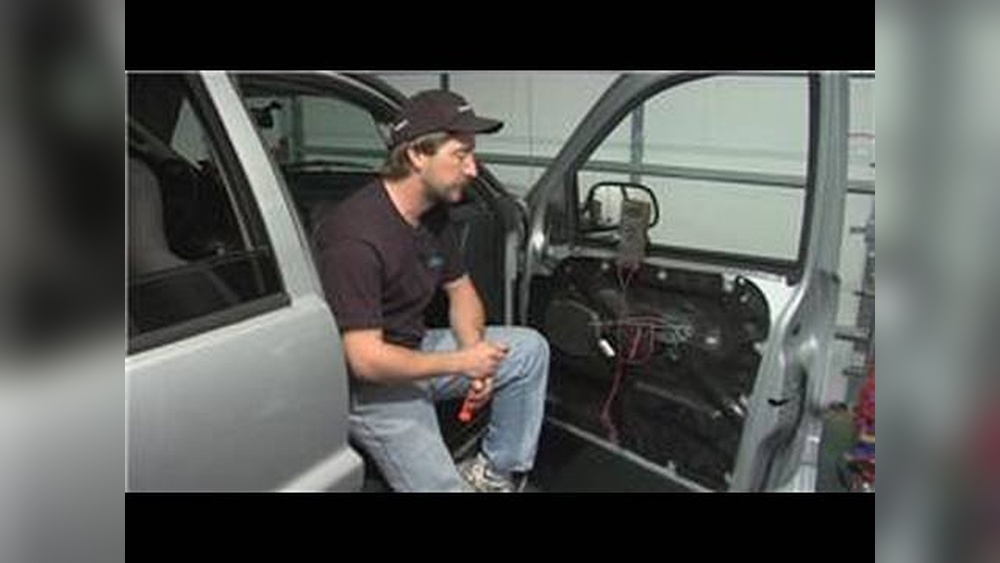
Are you tired of your car speakers cracking, buzzing, or suddenly going silent? You rely on your car’s sound system to make every drive enjoyable, but when the speakers don’t work right, it can be frustrating.
The good news is, fixing your car speakers might be easier than you think. You’ll discover simple steps to troubleshoot and repair your speakers, so you can get back to enjoying clear, powerful sound on the road. Keep reading, and you’ll learn how to bring your music back to life without spending a fortune.
Common Car Speaker Issues
Car speakers can face several common problems that affect sound quality. Knowing these issues helps in fixing them quickly. This section covers usual speaker troubles and what causes them.
Understanding these problems can save time and money. It also improves your car audio experience.
Distorted Sound
Distorted sound means the music or voice sounds unclear. This happens when speakers receive too much power. It can also be due to damaged speaker cones. Dirt or moisture inside the speaker may cause distortion too.
No Sound Output
No sound comes from the speaker at all. This may happen if wires are loose or broken. The speaker itself could be faulty. Sometimes, the car’s audio system settings are wrong. Checking connections and settings is the first step.
Intermittent Audio
Sound cuts in and out randomly. This issue often arises from loose wiring. A poor connection inside the speaker causes this problem. Vibration from driving can loosen wires over time. Fixing connections usually stops the interruptions.
Rattling And Buzzing Noises
Rattling or buzzing sounds come from inside the door or dashboard. Loose parts around the speaker cause these noises. Broken speaker components can also rattle. Tightening screws and replacing damaged parts helps remove these sounds.
Tools And Materials Needed
Fixing a car speaker requires the right tools and materials. These help make the repair easier and faster. Having everything ready before you start avoids frustration and mistakes.
This section covers the basic tools, replacement parts, and testing equipment needed. Knowing what each item does helps you prepare well.
Basic Tools
You need a screwdriver set with flathead and Phillips heads. A panel removal tool helps take off door panels without damage. Wire cutters and strippers are essential for handling speaker wires. A multimeter checks electrical connections. Keep a flashlight nearby for better visibility inside the car.
Replacement Parts
New speaker cones or full speaker units replace damaged ones. Speaker wire may need replacement if it is worn or broken. Connectors and terminals ensure good electrical contact. Use foam or rubber gaskets for proper sealing and vibration reduction. Keep screws and clips handy for reassembly.
Testing Equipment
A multimeter tests voltage and continuity in speaker wires. An audio source, like your car stereo or a phone, plays sound to check speaker function. A test tone generator app helps identify sound issues. Use headphones or external speakers to compare sound quality.
Diagnosing Speaker Problems
Diagnosing speaker problems is the first step to fix your car speakers. Without proper diagnosis, repairs may not work. Understanding the issue helps save time and money. It also prevents further damage to your audio system.
Checking Connections
Loose or broken wires often cause speaker issues. Start by inspecting the speaker wires inside the door panel or dashboard. Make sure all wires are firmly connected to the speaker terminals. Look for any signs of corrosion or fraying. Clean dirty connections with a soft cloth or contact cleaner. Secure all loose wires to avoid sound interruptions.
Testing The Speaker
Testing the speaker confirms if it works correctly. Use a multimeter to check the speaker’s resistance. A normal speaker usually shows 4 to 8 ohms. No reading or very high resistance means a damaged speaker. You can also test the speaker by playing music at low volume. Listen for crackling, buzzing, or no sound at all. These signs point to speaker problems.
Inspecting For Physical Damage
Physical damage affects sound quality and speaker function. Check the speaker cone for tears, holes, or dents. Look at the surround, the flexible ring around the cone. It should not be cracked or broken. Inspect the dust cap in the center for any damage. If you find any damage, the speaker likely needs repair or replacement.

Credit: soundcertified.com
Step-by-step Repair Process
Fixing car speakers can seem hard. Breaking it down into steps helps a lot. Follow each step carefully to get your sound back. This guide shows a clear way to fix speakers at home.
Removing The Speaker
Start by turning off your car and removing the door panel. Use a screwdriver to take out screws holding the panel. Carefully lift the panel to avoid breaking clips. Find the speaker and disconnect its wires gently. Now, remove screws or bolts fixing the speaker in place. Take the speaker out and set it on a clean surface.
Fixing Wiring Issues
Check the wires for cuts, breaks, or loose connections. Use a multimeter to test if wires carry current. If wires are damaged, strip the ends and twist them tightly. Use electrical tape or wire connectors to join wires safely. Make sure no wires touch each other to avoid shorts. Proper wiring restores sound quality and prevents future problems.
Replacing Damaged Components
Inspect the speaker cone and surround for tears or holes. Look at the voice coil and magnet for damage. Replace torn cones with a repair kit or a new speaker. Swap out any broken parts to restore sound clarity. Use tools carefully to avoid further damage. Proper parts ensure your speaker works well again.
Reinstalling The Speaker
Place the speaker back into its position inside the door. Secure it with screws or bolts tightly but gently. Reconnect the speaker wires to the correct terminals. Test the speaker by playing music to check sound quality. If sound is clear, reattach the door panel carefully. Make sure all clips and screws are back in place.
Preventive Tips For Speaker Maintenance
Maintaining car speakers helps them last longer and sound better. Simple care steps prevent damage and costly repairs. Follow these easy tips to keep your speakers in top shape.
Proper Volume Levels
Keep the volume moderate. Playing music too loud strains speaker parts. Loud sounds can cause distortion and damage the speaker cones. Set volume at a comfortable level to avoid wear and tear.
Regular Cleaning
Dust and dirt reduce sound quality. Clean speakers gently with a soft cloth. Avoid using water or harsh chemicals. Regular cleaning stops buildup and keeps the sound clear.
Avoiding Moisture Damage
Moisture harms speaker components. Avoid parking in damp places or near open windows during rain. Use covers or mats to protect speakers from water. Keeping speakers dry prevents rust and electrical problems.
Credit: www.youtube.com
When To Seek Professional Help
Knowing when to seek professional help for car speaker issues can save time and avoid damage. Some problems need special tools and skills. Attempting repairs without experience might make things worse.
Professionals have the right equipment and knowledge. They can diagnose problems quickly. They also ensure the repair is safe and lasts long.
Complex Electrical Problems
Car speakers connect to the car’s electrical system. Complex wiring or electrical faults can cause speakers to stop working. Professionals understand car wiring diagrams and circuits. They can find hidden issues like short circuits or blown fuses. These problems need careful handling to avoid damaging other parts of the car.
Upgrading Speaker Systems
Upgrading car speakers is more than swapping old ones. New systems may need extra parts like amplifiers or crossovers. Installation often requires cutting panels or running new wires. Professionals know how to fit upgrades without damaging the car’s interior. They also tune the system for the best sound quality.
Credit: soundcertified.com
Frequently Asked Questions
Why Are My Car Speakers Not Working Properly?
Car speakers may fail due to loose wiring, blown fuses, or damaged cones. Check connections and fuse box first. If issues persist, inspect speaker components or seek professional help for accurate diagnosis and repair.
How Can I Fix A Blown Car Speaker?
To fix a blown speaker, first identify the damage type. Replace torn cones or damaged voice coils. If unsure, replace the speaker entirely to restore sound quality and avoid further damage.
What Tools Do I Need To Repair Car Speakers?
Common tools include screwdrivers, wire strippers, a multimeter, and electrical tape. These help you remove speakers, check wiring, and secure connections during repair.
Can I Fix Car Speakers Without Professional Help?
Yes, minor issues like loose wires or blown fuses can be fixed at home. More complex repairs may require expert tools and knowledge to avoid further damage.
Conclusion
Fixing car speakers can improve your driving experience. Simple steps often solve common sound problems fast. Check wires, connections, and settings carefully. Clean or replace damaged parts to restore sound quality. Taking time to fix speakers saves money and frustration.
Clear, loud music makes every trip more enjoyable. Try these tips to keep your car audio working well. Don’t let poor sound ruin your drive. Small fixes can bring big changes to your car’s sound.