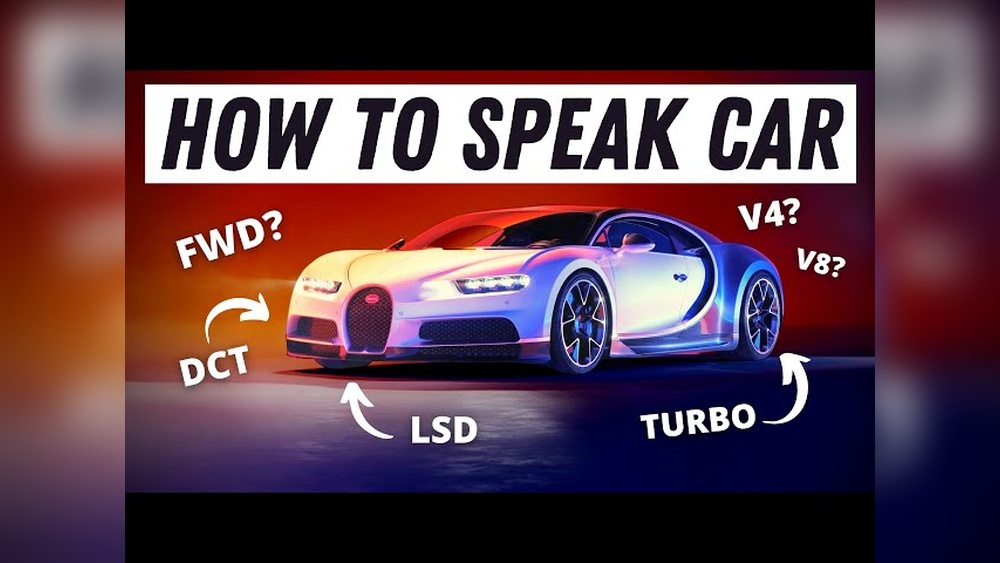
Have you ever felt lost when your car makes a strange noise or the dashboard lights up with warning signs? Understanding how to speak car can save you time, money, and stress.
When you know what your vehicle is trying to tell you, you can spot problems early and keep your car running smoothly. This guide will help you unlock the secret language of your car, so you feel confident and in control every time you get behind the wheel.
Keep reading to discover simple tips that anyone can use to become a car whisperer.
Car Language Basics
Learning the basics of car language makes every trip easier. Understanding simple words and phrases helps you talk about cars clearly. It builds confidence when you ask for help or explain issues. This section covers key terms, parts, and daily car talk. Start speaking car with these easy steps.
Common Terms And Phrases
Cars have their own words that pop up often. Words like “engine,” “brakes,” and “fuel” are common. Knowing these helps you understand instructions or problems. Phrases such as “check engine light” or “oil change” appear a lot. These simple terms help you follow car talks better.
Understanding Car Parts
Cars have many parts, but some are important to know first. The engine makes the car move. Tires keep the car on the road. The battery powers the car’s electricity. Brakes help you stop safely. Learning these parts makes it easier to explain what you see or hear.
Everyday Auto Lingo
People use short words when talking about cars daily. Words like “gas” mean fuel, and “ride” means car. Mechanics say “tune-up” for regular check-ups. “Flat tire” means a tire without air. These simple phrases appear in many car talks. Knowing them helps you join conversations easily.

Credit: charatoon.com
Technical Terms Simplified
Understanding car talk starts with simple words. Technical terms can seem hard. Breaking them down helps you learn quickly. This makes car conversations easier and less scary. Here, we explain key parts in simple ways.
Engine And Transmission Talk
The engine is the car’s heart. It burns fuel to make power. Transmission moves this power to the wheels. It controls speed and force. Knowing terms like “horsepower” and “gearbox” helps you understand how cars move.
Suspension And Brakes
Suspension keeps the ride smooth. It absorbs bumps on the road. Springs and shocks are main parts here. Brakes stop the car safely. Common words like “disc brakes” and “ABS” relate to stopping power.
Electrical System Basics
Cars use electricity for lights and gadgets. The battery stores power. The alternator charges the battery while driving. Simple terms like “starter,” “fuse,” and “wiring” explain how electricity flows inside your car.
Reading And Understanding Manuals
Reading and understanding your car manual is essential for every car owner. It helps you know your vehicle better and solve simple problems. Manuals contain important details about your car’s functions and maintenance. Learning to read them makes car care easier and safer.
Decoding Car Manuals
Car manuals can seem complex at first glance. They use specific terms and codes that may confuse you. Start by reading the introduction and glossary sections. These parts explain the terms used in the manual. Take your time to understand the language and structure.
Spotting Key Information
Focus on sections about safety, maintenance, and troubleshooting. These parts often have warnings and tips vital for your car’s health. Look for schedules on oil changes and tire pressure. Important details usually appear in bold or highlighted text. Spotting these saves time and prevents mistakes.
Using Diagrams Effectively
Diagrams are visual guides that show parts and systems in your car. They help you identify components quickly. Study diagrams closely to understand how parts connect. Use them during repairs or checks to avoid confusion. Clear visuals make manual instructions easier to follow.
Credit: www.youtube.com
Communicating With Mechanics
Talking with a mechanic can feel confusing for many car owners. Mechanics use special words and technical terms. Learning how to speak car helps you explain problems clearly. It also helps you understand what the mechanic says. Good communication can save time and money. It makes fixing your car easier and faster.
Describing Problems Clearly
Start by telling the mechanic what you hear or feel. Use simple words like “noise,” “vibration,” or “smell.” Say when the problem happens, such as “when braking” or “during acceleration.” Mention if the problem is constant or happens only sometimes. Details help the mechanic find the issue faster.
Asking The Right Questions
Ask about the cause of the problem. Request the mechanic to explain the repair in simple words. Inquire about the cost and time needed for fixing. Check if the parts used are new or used. Clear questions show you want to understand and keep control.
Understanding Mechanic Responses
Listen carefully to the mechanic’s answers. If you do not understand, ask them to explain again. Avoid guessing or pretending to know. Repeat what you hear to check your understanding. This helps avoid mistakes and surprises later.
Mastering Auto Conversations
Mastering auto conversations helps you understand cars better. It makes talking about cars easy and clear. This skill helps in many situations, like buying a car or fixing one. It also makes communication with mechanics or friends smoother. Learning the language of cars is a useful step for any car lover.
Practice Phrases For Car Talk
Start by learning simple phrases used in car talks. Words like “engine,” “brake,” and “tire” are common. Practice sentences such as “The engine is making noise” or “Check the tire pressure.” Repeat these phrases often. This builds your vocabulary and makes speaking easier.
Role-playing Scenarios
Role-playing helps you use car language in real life. Pretend to be a customer or a mechanic. Practice asking questions and giving answers. For example, “What’s wrong with my car?” or “The battery needs replacement.” This method improves your speaking skills and confidence.
Building Confidence
Confidence grows with practice and time. Speak about cars regularly with friends or online groups. Listen to car talks on videos or podcasts. The more you hear and speak, the better you become. Confidence makes conversations smooth and natural.
Credit: www.superiormazda.com
Using Digital Tools
Using digital tools can help you speak car language more clearly. These tools make learning easy and fun. They explain terms and concepts step by step. You can study at your own pace. Many tools fit in your pocket through smartphones or tablets.
Auto Glossary Apps
Auto glossary apps list car terms with simple definitions. You can search words anytime you want. These apps often include pictures and sounds. They help you remember new words quickly. Some apps also offer quizzes to test your knowledge.
Online Forums And Communities
Online forums connect you with other car learners. You can ask questions and share ideas. People from different countries join these groups. They explain car words in easy ways. Reading posts improves your understanding fast.
Video Tutorials And Podcasts
Videos and podcasts show car parts and explain functions. You listen and see how things work. These tools use clear language and slow speech. They help you learn pronunciation too. Watching or listening often makes learning enjoyable.
Frequently Asked Questions
What Does It Mean To Speak Car Language?
Speaking car language means understanding automotive terms and signals. It helps in better communication with mechanics and enthusiasts. This skill aids in diagnosing problems and discussing car features clearly.
How Can I Learn To Speak Car Effectively?
Start by learning basic car parts and functions. Watch videos, read manuals, and join car forums. Practice using car terms in conversations to improve fluency and confidence.
Why Is Speaking Car Important For Drivers?
It helps drivers understand vehicle issues and maintenance needs. Clear communication with service professionals saves time and money. It also boosts safety by recognizing warning signals early.
What Are Common Car Terms Beginners Should Know?
Key terms include engine, transmission, brake, clutch, and dashboard indicators. Knowing these basics helps in everyday car discussions and troubleshooting. It builds a strong foundation for advanced learning.
Conclusion
Speaking car language helps you understand your vehicle better. It makes driving safer and easier every day. Knowing simple terms and signs saves time and money. You can spot problems before they get big. This knowledge builds confidence behind the wheel.
Start small, learn step by step, and keep practicing. Soon, talking car will feel natural and useful. It helps you stay in control and enjoy the ride more. Simple words, clear signals, better driving. Why not give it a try?