Have you ever wondered what keeps your car’s electrical system safe from sudden damage? That tiny, often overlooked part called a car fuse plays a huge role in protecting your vehicle.
If you don’t know what a car fuse is or why it matters, this guide is made just for you. By understanding how a fuse works, you can save yourself from unexpected breakdowns and costly repairs. Keep reading to discover what a car fuse really is and why it’s essential for your car’s health.

Credit: drivercam.co.nz
Car Fuse Basics
Understanding the basics of a car fuse helps you keep your vehicle safe. A car fuse is a small but important part of your car’s electrical system. It protects the wires and devices from damage caused by too much electric current. Knowing how fuses work can save you time and money on car repairs.
Purpose Of A Car Fuse
A car fuse stops the flow of electricity if the current is too high. This prevents wires from overheating and causing fires. It also protects electrical parts like lights, radios, and sensors. Without fuses, a small problem could damage many parts of your car.
Types Of Car Fuses
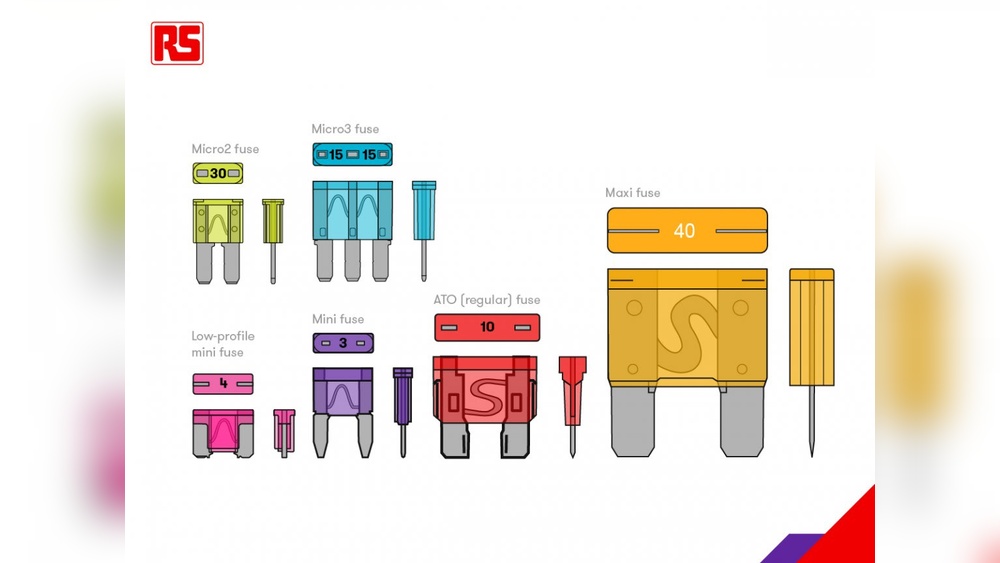
Car fuses come in different shapes and sizes. The most common are blade fuses, glass tube fuses, and mini fuses. Blade fuses have two metal prongs and a plastic body. Glass tube fuses are older and look like small glass tubes. Mini fuses are smaller versions of blade fuses used in modern cars.
How Car Fuses Work
Inside a fuse, a thin metal strip carries the electric current. When the current is too strong, the strip melts. This breaks the circuit and stops the electricity flow. The melted fuse must be replaced to restore power. This simple action protects the car’s wiring and devices.
Credit: www.grdian.com
Common Fuse Ratings
Car fuses protect your vehicle’s electrical system from damage. They stop too much current from passing through wires and parts. Knowing common fuse ratings helps you pick the right fuse for your car. Each fuse has a specific rating that matches the electrical load it can handle. Using the wrong fuse can cause problems or even harm your car.
Ampere Ratings Explained
Ampere ratings show how much current a fuse can carry safely. For example, a 10-amp fuse allows up to 10 amps of current. If the current goes higher, the fuse will blow to protect the circuit. Common ratings in cars include 5, 10, 15, 20, 25, and 30 amps. Each number fits different parts of the car, like lights or radios. Always replace a fuse with the same amp rating to keep safety.
Color Coding For Fuses
Fuses use colors to show their amp rating quickly. This color system helps you find the right fuse fast. For example, a red fuse usually means 10 amps, while blue means 15 amps. Green fuses often show 30 amps. These colors are standard in most cars. Checking the color saves time and avoids mistakes when changing fuses. It is an easy way to keep your car’s electrical system safe.
Locating Fuses In Your Vehicle
Knowing where to find fuses in your vehicle is important. Fuses protect your car’s electrical parts from damage. They stop too much electricity from flowing. Finding the right fuse can fix small electrical problems fast. This section explains how to locate fuses in your car.
Fuse Box Locations
Most cars have more than one fuse box. One is usually under the dashboard on the driver’s side. Another is often found in the engine compartment. Some models place fuse boxes in the glove compartment or near the trunk. Check your owner’s manual for exact locations. Fuses are kept in these boxes for easy access and protection.
Reading Fuse Diagrams
Each fuse box has a diagram on its cover or inside the manual. This diagram shows which fuse controls each part of the car. It uses numbers and symbols to label fuses. Match the number on the fuse with the diagram to find the right one. This helps avoid pulling the wrong fuse and causing more problems.
Identifying A Blown Fuse
Identifying a blown fuse is key to fixing car electrical issues. A fuse protects your car’s electrical parts from damage. It stops the flow of electricity if there is a problem. Knowing how to spot a blown fuse saves time and money.
Blown fuses often cause electrical parts to stop working. This could be the radio, lights, or power windows. Finding the faulty fuse helps you fix the problem quickly. It is a simple step anyone can do with basic tools.
Signs Of A Blown Fuse
Look for sudden electrical failures in your car. If one part stops working, a fuse might be blown. Check the dashboard lights too. Some cars show a warning light for electrical faults.
Inspect the fuse box for any visible damage. A blown fuse often has a broken metal strip inside. The plastic case may look blackened or burnt. These signs tell you the fuse needs replacement.
Testing Fuses Safely
Always turn off the car and remove the key first. This stops any electrical shock or damage. Use a fuse tester or a multimeter to check fuses.
Place the tester’s probes on the fuse’s metal ends. A good fuse will show continuity or a signal. No signal means the fuse is blown and must be replaced.
Handle fuses with care. Replace blown fuses with the same type and rating. Using the wrong fuse can cause more damage. Safety first—never force or bypass a fuse.
Replacing Car Fuses
Replacing car fuses is a simple task that can save time and money. A blown fuse stops electrical parts from working. Fixing it keeps your car safe and running well. This guide helps you replace fuses correctly and safely.
Choosing The Right Replacement
Use the exact fuse type your car needs. Check the car manual or fuse box cover. The fuse must match the correct amperage number. Too high or low can cause damage. Pick a fuse with the same color and size. This ensures proper fit and protection.
Step-by-step Replacement Guide
First, turn off the car engine and lights. Find the fuse box location inside your car. Use a fuse puller or tweezers to remove the blown fuse. Look for a broken wire or black mark inside it. Insert the new fuse in the same slot carefully. Press it firmly but do not force. Turn on the car and check if the part works. Replace the fuse box cover after finishing.
Credit: heartautocare.com
Preventing Fuse Problems
Preventing fuse problems is key to keeping your car’s electrical system safe. Fuses protect wires and devices by stopping too much current. Taking simple steps helps avoid fuse damage and car troubles. Regular care ensures your vehicle runs smoothly without electrical faults.
Avoiding Electrical Overloads
Electrical overloads happen when too many devices use power at once. This can blow fuses and cause issues. Limit the number of accessories plugged in at the same time. Use the right fuses with the correct amperage for each circuit. Avoid adding extra electrical parts without checking your car’s limits.
Maintaining Your Vehicle’s Electrical System
Check your car’s wiring and fuses regularly for signs of wear or damage. Clean fuse connections to prevent corrosion and poor contact. Replace old or faulty fuses immediately. Keep battery terminals clean and tight. Routine inspections help catch problems early and extend fuse life.
When To Seek Professional Help
Knowing when to seek professional help with your car fuse is very important. Some problems look simple but need expert care. This prevents damage and keeps you safe. Understanding when to call a mechanic can save time and money.
Complex Electrical Issues
Some fuse problems come from larger electrical issues. These can be hard to find or fix without tools. Problems like wiring shorts or repeated fuse blows need a professional. They have the skills to test and repair safely. Trying to fix complex issues alone may cause more damage.
Safety Precautions
Electricity in cars can be dangerous. Professionals know how to handle it safely. They use special equipment to avoid shocks or fires. Working on car fuses without experience risks injury. Always choose expert help to protect yourself and your vehicle.
Frequently Asked Questions
What Is The Purpose Of A Car Fuse?
A car fuse protects the vehicle’s electrical circuits by breaking the circuit if current exceeds safe levels. This prevents damage to wiring and components, avoiding electrical fires or failures.
How Do You Identify A Blown Car Fuse?
A blown car fuse usually has a broken metal strip inside or shows discoloration. Visual inspection or a multimeter test confirms if the fuse is damaged and needs replacement.
Where Are Car Fuses Located?
Car fuses are typically located in the fuse box under the dashboard or hood. The vehicle’s owner manual helps locate the exact fuse box and identify each fuse’s function.
Can I Replace A Car Fuse Myself?
Yes, replacing a car fuse is simple and safe. Ensure you replace it with one of the same amperage rating to avoid electrical issues or damage.
Conclusion
A car fuse protects your vehicle’s electrical parts from damage. It stops too much electricity from flowing. Knowing what a car fuse does helps you keep your car safe. You can check and replace fuses to fix electrical problems. This simple part saves you time and money.
Understanding car fuses makes car care easier. Keep an eye on your fuses to avoid bigger issues. Small steps like this keep your car running well.