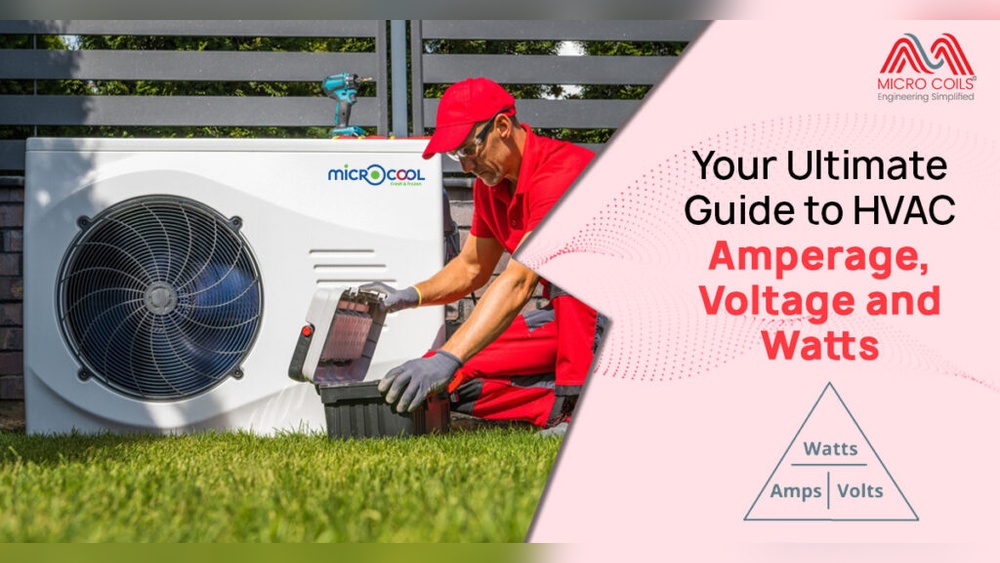

Are you confused about what the correct voltage is for your devices or home appliances? Using the wrong voltage can damage your electronics or even cause safety hazards.
Understanding the right voltage is simpler than you might think, and it can save you from costly mistakes. In this guide, you’ll discover exactly how to identify the correct voltage for your needs, why it matters, and how to avoid common pitfalls.
Keep reading to protect your devices and make smarter, safer choices.
Voltage Basics
Understanding voltage is key to using electrical devices safely. Voltage is a simple concept that tells us how much electric force pushes the current. This force moves electrons through wires and powers our homes and gadgets.
Knowing the basics of voltage helps you choose the right power source. It also prevents damage to devices and ensures safety. Let’s explore what voltage means, common standards, and the difference between AC and DC voltage.
What Voltage Means
Voltage measures electric potential difference between two points. Think of it as the pressure that pushes electric current through a wire. It is measured in volts (V). Higher voltage means more force pushing the current.
Voltage affects how much energy flows and how fast it moves. Devices need the correct voltage to work properly. Too much voltage can harm them. Too little voltage can make them fail.
Common Voltage Standards
Different countries use different voltage standards for homes and businesses. Many places use 110-120 volts for small appliances. Others use 220-240 volts for bigger devices and lighting.
Some devices work worldwide because they support multiple voltages. Others need a converter or adapter to match the local voltage. Knowing your area’s voltage is important before plugging in electronics.
Ac Vs Dc Voltage
Voltage comes in two main types: alternating current (AC) and direct current (DC). AC voltage changes direction many times each second. It is used in homes and businesses.
DC voltage flows in one direction only. It powers batteries, smartphones, and many small gadgets. Both types have different uses and safety rules. Understanding the difference helps you handle electrical devices better.
Credit: www.tortech.com.au
Why Correct Voltage Matters
Using the correct voltage is very important for any electrical device. It affects safety, how well the device works, and how long it lasts. Choosing the right voltage keeps everything running smoothly and without problems. Small mistakes with voltage can cause big issues.
Safety Concerns
Using the wrong voltage can be dangerous. Too high voltage can cause overheating and fires. Too low voltage may cause the device to fail suddenly. Correct voltage helps avoid electric shocks and other hazards. Safety is the top reason to check voltage carefully.
Device Performance
Devices need the right voltage to work well. Too little voltage makes devices run slowly or weakly. Too much voltage can make devices work too hard and break. Proper voltage ensures devices work at their best. It keeps the performance steady and reliable.
Preventing Damage
Wrong voltage can damage parts inside devices. It can burn circuits or shorten the device’s life. Correct voltage protects your devices from harm. Using the right voltage saves money on repairs and replacements. It keeps devices safe and long-lasting.
How To Measure Voltage
Measuring voltage is a basic skill in electronics and electrical work. It helps you check if devices and circuits have the right power supply. Learning to measure voltage safely and correctly is important for good results.
This guide covers simple tools and steps to measure voltage. You will learn about multimeters, voltage testers, and how to read the results.
Using A Multimeter
A multimeter is a common tool for measuring voltage. It can check both AC and DC voltage. Start by turning the multimeter dial to the voltage setting. For DC voltage, choose the “V” with a straight line. For AC voltage, choose the “V” with a wavy line.
Insert the black probe into the common (COM) port. Put the red probe into the voltage (V) port. Touch the probes to the two points you want to measure. The screen will show the voltage value.
Voltage Testers
Voltage testers are simple tools to detect if voltage is present. They do not give exact numbers but show if power is on. Touch the tester tip to a wire or terminal. A light or sound usually signals voltage presence.
These testers are quick and easy for safety checks. Use them before working on electrical devices.
Interpreting Results
Reading voltage results correctly is key. Multimeters show exact numbers in volts. Check if the reading matches the device’s required voltage. Too high or too low can cause damage.
Voltage testers only show presence or absence of voltage. Use a multimeter for detailed checks. Always double-check results for safety and accuracy.
Identifying Voltage Requirements
Knowing the correct voltage is very important for using electronic devices safely. Each device needs a certain voltage to work well. Using the wrong voltage can cause damage or stop the device from working. This section helps you find out how to identify the voltage your device needs.
Reading Device Labels
Most devices have a label that shows their voltage needs. Check the back or bottom of the device. The label often shows numbers like “120V” or “220V.” This tells you the voltage the device uses. Look for terms like “input voltage” or “power rating.” These details help you avoid using the wrong power source.
Manufacturer Specifications
The device manual or box also has important voltage information. Manufacturers list the correct voltage for safe use. This information may include a range, for example, 100-240V. A wide range means the device works in many places. Always follow the manufacturer’s instructions to keep your device safe.
Adapting To Different Regions
Different countries use different voltages. The US uses about 120 volts. Europe and many other countries use about 220 volts. Check your device’s voltage before traveling. Use a voltage converter if needed. This prevents damage and keeps your device working properly.
Common Voltage Problems
Voltage problems can cause many troubles in homes and businesses. They affect the performance of electrical devices and may cause damage. Understanding common voltage problems helps protect your equipment and avoid costly repairs.
Overvoltage Risks
Overvoltage happens when the voltage is higher than the normal level. This can burn out wires and damage devices. It may cause appliances to overheat and stop working. Electronics like computers and TVs are very sensitive to too much voltage. Overvoltage can also increase the risk of electrical fires.
Undervoltage Effects
Undervoltage means the voltage is lower than it should be. This makes devices run poorly or not at all. Motors may run slower and get hot. Lights can flicker or dim. Low voltage can cause appliances to fail or break over time. It also wastes energy and reduces efficiency.
Voltage Fluctuations
Voltage fluctuations are rapid changes in voltage levels. They cause lights to flicker and devices to restart. These changes can confuse sensitive electronics and cause errors. Frequent fluctuations reduce the lifespan of electrical equipment. They may also cause discomfort or annoyance in homes.

Credit: www.bombayelectronics.com
Tips For Ensuring Correct Voltage
Ensuring the correct voltage is key to protecting your devices and electrical systems. Proper voltage helps avoid damage and keeps everything running smoothly. Some simple tips can help you maintain the right voltage levels and prevent electrical problems.
Using Voltage Regulators
Voltage regulators control the voltage supplied to your devices. They keep the voltage steady, even if the power supply changes. This prevents damage from too high or too low voltage. Use voltage regulators in places with unstable power sources. They help your appliances last longer and work better.
Surge Protectors
Surge protectors stop sudden spikes in voltage. These spikes can happen during storms or power outages. A surge protector blocks extra voltage from reaching your devices. Plug sensitive electronics into surge protectors for added safety. This simple tool can save you from costly repairs.
Proper Wiring Practices
Good wiring is important for correct voltage. Use the right wire size for your electrical load. Loose or damaged wires cause voltage drops and risk fires. Check connections regularly to ensure they are tight and secure. Proper wiring keeps electricity flowing safely and efficiently.
Voltage In Household Appliances
Voltage plays a key role in how household appliances work. It is the electric pressure that powers devices. Using the right voltage keeps appliances safe and working well. Appliances need specific voltage levels to run properly. Too high or too low voltage can cause damage or poor performance.
Different appliances use different voltages. Knowing the correct voltage helps in choosing and using devices safely. This guide explains common voltages for household appliances.
Kitchen Devices
Kitchen devices usually run on standard voltage, often 120V or 230V depending on the country. Examples include microwaves, blenders, and toasters. These devices need a steady voltage for safe operation. Voltage fluctuations can cause devices to stop working or get damaged. Many kitchen gadgets also have voltage ratings on their labels. Always check these before use.
Entertainment Systems
Entertainment systems like TVs, gaming consoles, and sound systems need stable voltage. Most use 110V or 220V depending on your location. These systems have sensitive electronics inside. Incorrect voltage can cause screen flickering, loss of sound, or device failure. Voltage protection devices can help avoid these problems. Reading the voltage requirements helps maintain performance and lifespan.
Heating And Cooling Equipment
Heating and cooling equipment require specific voltage for efficient operation. Air conditioners, heaters, and fans often use higher voltages like 220V or 240V. These devices draw more power to maintain temperature. Using the right voltage prevents overheating and electrical hazards. Voltage mismatches can lead to poor heating or cooling. Check appliance labels and manuals for correct voltage details.

Credit: kidsvip.ca
Voltage In Industrial Settings
Voltage plays a key role in industrial settings. Machines and equipment need the right voltage to work well and safely. Using the correct voltage helps keep machines efficient and avoids damage. It also protects workers from electrical hazards.
Machinery Requirements
Each machine has its own voltage needs. Some require low voltage, while others need high voltage to run. Always check the machine’s label or manual for the correct voltage. Using the wrong voltage can cause machines to fail or break down quickly. It can also reduce the machine’s lifespan.
Safety Protocols
Safety is very important when dealing with voltage. Always use proper protective gear and follow safety rules. Use circuit breakers and fuses to prevent electrical overloads. Regularly inspect wiring and connections for damage. Proper grounding helps reduce the risk of shocks. Train workers on safe voltage handling procedures.
Maintenance Tips
Keep machines clean and dry to avoid electrical problems. Check voltage levels regularly with a reliable meter. Fix any loose or worn wires immediately. Replace old or damaged components on time. Schedule regular inspections to catch issues early. Proper maintenance helps machines run smoothly and safely.
Future Trends In Voltage Technology
The future of voltage technology holds exciting changes. These changes will improve how we monitor and use electrical power. Technology will become smarter and more efficient. It will also support cleaner energy sources. This helps both homes and industries save money and protect the planet.
Smart Voltage Monitoring
Smart voltage monitoring uses sensors and software to track voltage in real time. It alerts users about voltage drops or surges immediately. This helps prevent damage to devices and machines. Smart systems also learn patterns to predict problems before they happen. This technology makes electrical systems safer and more reliable.
Energy Efficiency Improvements
New voltage technology helps reduce energy waste. Devices adjust power use based on actual needs. This lowers electricity bills and reduces strain on power grids. Efficient voltage control also extends the life of electrical equipment. It supports a greener future by using less energy.
Renewable Energy Integration
Voltage technology is key to using renewable energy like solar and wind. It manages the unstable voltage from these sources smoothly. This allows clean energy to flow steadily into homes and businesses. Better voltage control helps more people switch to renewable power. It supports a shift toward sustainable energy worldwide.
Frequently Asked Questions
What Is The Correct Voltage For Household Appliances?
The correct voltage for household appliances varies by region. In the US, it is typically 120 volts, while in Europe, it is 230 volts. Using the correct voltage ensures appliance safety and optimal performance, preventing damage and electrical hazards.
How To Determine The Correct Voltage For Devices?
Check the device’s label or manual for voltage specifications. It usually lists a voltage range like 110-240V. Use a voltage tester or multimeter to measure the supply voltage if unsure. Always match the device voltage with the power source voltage for safety.
Why Is Using The Wrong Voltage Dangerous?
Using the wrong voltage can damage electronic components, cause overheating, or even start fires. Appliances designed for low voltage may fail or become hazardous if connected to higher voltage. Always ensure voltage compatibility to protect devices and ensure user safety.
Can Voltage Differences Affect Appliance Lifespan?
Yes, improper voltage can shorten an appliance’s lifespan. Overvoltage stresses components, while undervoltage reduces efficiency. Consistent correct voltage supply maintains device reliability and durability, preventing premature failure and costly repairs.
Conclusion
Choosing the correct voltage keeps your devices safe and working well. Always check the voltage requirements before plugging in any equipment. Using the wrong voltage can cause damage or poor performance. Stick to the guidelines in this guide to avoid problems.
Understanding voltage helps you make smarter decisions with electronics. Stay careful and double-check to protect your devices and yourself. Simple steps make a big difference in handling electricity safely. Keep this knowledge handy for your next electrical project or purchase.